Oil Supply Crunch
IEA Warns Global Oil Supply to Drop 4.3 Million BPD Amid Hormuz Crisis
Key Points
The IEA expects a third-quarter 2026 oil market deficit of about 1.8 million barrels per day, more than double the previous month's projection, signaling tightening conditions into Q3.
Gulf oil production rose by 2.5 million barrels per day in July to 23.9 million bpd but remains about 8.3 million bpd below prewar levels; regional exports fell to around 15 million bpd after Hormuz was effectively closed, with loadings briefly hitting ~20 mbpd before falling to ~12 mbpd.
Global oil inventories dropped by about 69 million barrels in July, bringing total stocks below 7.9 billion barrels for the first time since April 2025; since the end of February, inventories have fallen by roughly 410 million barrels.
The IEA lowered its 2026 global oil-demand forecast to about 103.288 million barrels per day, with 2027 projected at 105.7 mbpd; the 2026 revision reflects the ongoing Hormuz disruption and high prices, and the change represents a roughly 510,000 bpd cut from prior estimates.
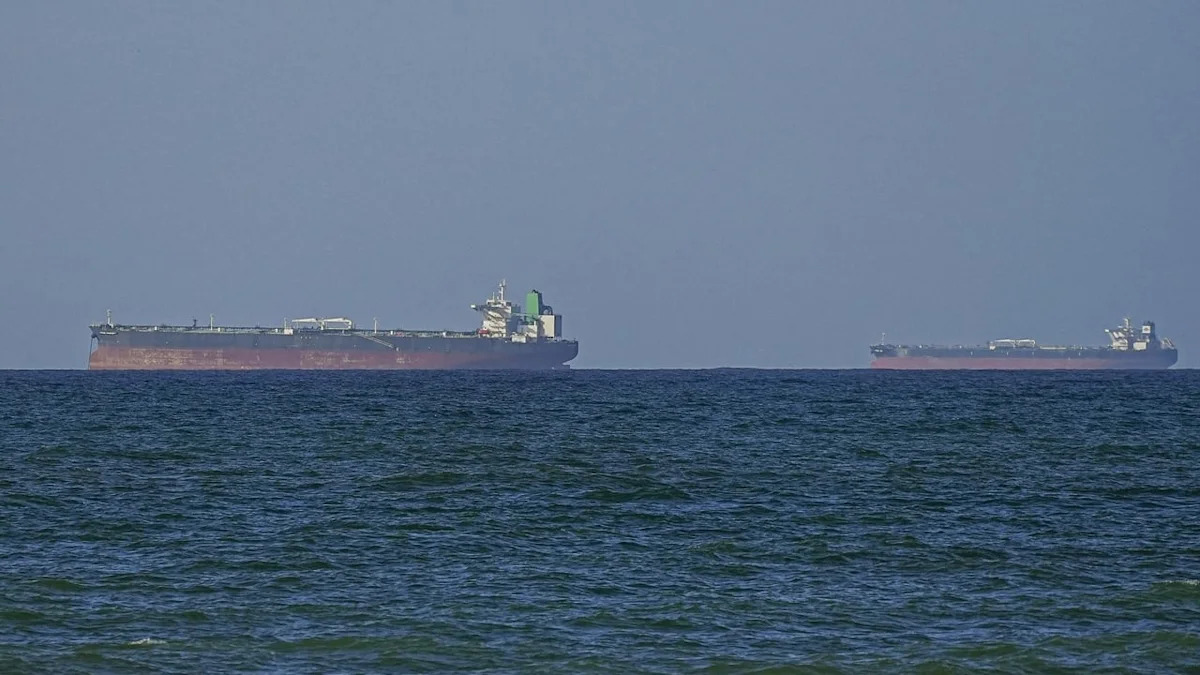
The International Energy Agency expects global oil supply to fall by 4.3 million barrels per day this year, cutting its 2026 forecast to just 102 million barrels per day, according to Quartz. The main cause: the closure of the Strait of Hormuz, a narrow waterway that carries a huge share of the world's oil.
The IEA also trimmed its 2026 demand outlook by 510,000 barrels per day, now projecting global consumption at about 103.3 million barrels per day, according to International Business Times. High prices and shipping disruptions are pushing consumers to use less oil.
Hormuz Closure Sends Supply Forecasts Into Freefall
The Strait of Hormuz connects the Persian Gulf to the open ocean. Nearly every barrel of Gulf oil must pass through it. When it closed, the impact was immediate. Regional oil exports collapsed to around 15 million barrels per day, Yahoo Finance reported. At the worst point, shipments briefly fell to about 12 million barrels per day after briefly touching 20 million.
Gulf production did recover somewhat. Output rose by 2.5 million barrels per day in July, reaching 23.9 million barrels per day. But that is still roughly 8.3 million barrels per day below prewar levels, according to Quartz. The region is producing more oil than it can safely ship out.
Global Oil Stockpiles Hit a Two-Year Low
With less oil moving, the world has been draining its reserves fast. Global inventories dropped by 69 million barrels in July alone, FX Street reported. Total stocks fell below 7.9 billion barrels for the first time since April 2025.
The drawdown is not new. Since the end of February, the world has burned through roughly 410 million barrels of stored oil. That is a staggering drop in a short time. The IEA now sees a third-quarter 2026 market deficit of 1.8 million barrels per day — more than double what it projected just one month ago.
High Prices Are Forcing the World to Use Less Oil
Supply disruptions push prices up. Higher prices push demand down. That cycle is now clearly underway. The IEA cut its 2026 global demand forecast by 1.6 million barrels per day, International Business Times reported. The 510,000 barrel-per-day reduction from July's prior estimate marks the agency's second consecutive downgrade.
Looking further ahead, the IEA projects 2027 demand at 105.7 million barrels per day. But that outlook depends heavily on Hormuz reopening and shipping normalizing. For now, neither condition is in place.
OPEC Also Cuts Its Outlook as Uncertainty Grows
The IEA is not alone in its pessimism. OPEC lowered its 2026 global oil demand growth forecast to just 580,000 barrels per day, The News Tribune reported. That marks the fourth straight downward revision from the producer group.
Both agencies now agree: the Hormuz disruption is the single biggest risk to oil markets in 2026. Until ships can move freely through the strait again, supply will stay tight, prices will stay high, and forecasts will keep getting cut.
Sentiment
Mostly NegativePublishers
29
Articles
100
Reach
129


