Expanding America's Vote
US Voting Rights Expanded Over Centuries Through Constitutional Change and Federal Law
Anonymous
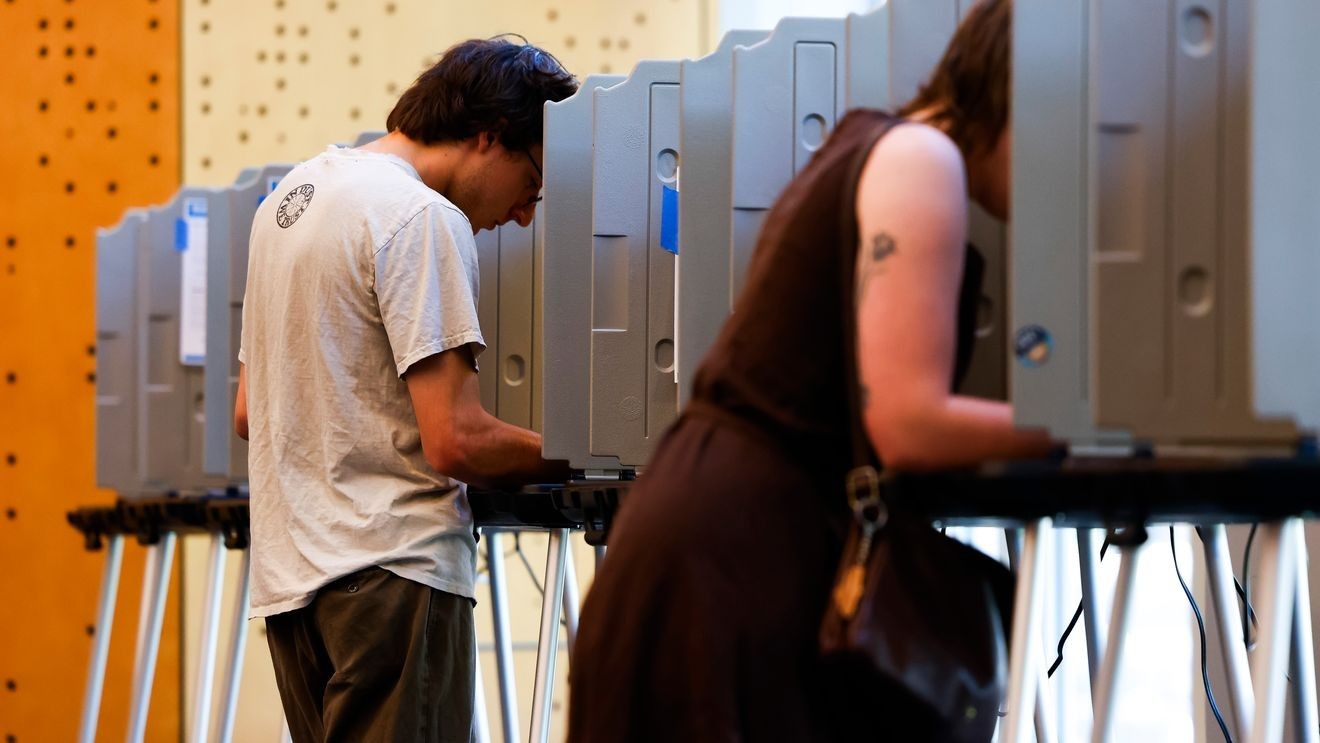
As the United States approaches its 250th birthday, the story of who gets to vote has changed dramatically since 1776. At the founding, only a small group — mostly white, property-owning men — could cast a ballot, according to Fox San Antonio. Over nearly two and a half centuries, constitutional amendments and federal laws have steadily expanded that right to millions more Americans.
The journey from a narrow electorate to a broad democracy was neither quick nor easy. It took a civil war, a women's suffrage movement, and landmark legislation to get there, KOMO News reported.
Early America Limited Voting to a Privileged Few
When the Constitution was written, the founders did not create a direct democracy. They worried about giving too much power directly to the people. The first time voting was addressed, it was largely left to individual states to decide who qualified, according to Idaho News. That meant most voters were white men who owned land.
The preamble to the Constitution begins with "We the People," suggesting that government power should come from citizens. But in practice, "the people" meant a very small slice of the population. Women, enslaved people, and those without property were almost entirely shut out, WACH reported.
The Civil War Opened the Door for Black Voters
The biggest early expansion of voting rights came after the Civil War. Congress ratified the 15th Amendment in 1870. It said the government could not deny a citizen the right to vote based on race or color. This was a major milestone, according to KTUL.
But the promise of the 15th Amendment was not fully kept for decades. Poll taxes, literacy tests, and outright intimidation blocked many Black Americans from voting well into the 20th century. True enforcement would not come until nearly 100 years later, WCHStv noted.
Women Win the Vote After Decades of Fighting
American women fought for the right to vote for more than 70 years. That fight ended in 1920 when the 19th Amendment was ratified. It made it illegal to deny a citizen the vote based on sex, according to CBS Austin. Millions of women voted in a national election for the first time that same year.
The suffrage movement brought together women from across the country. They marched, lobbied Congress, and faced arrest. Their work reshaped American democracy and set a model for future civil rights efforts, News Channel 9 reported.
Federal Laws Finished What Amendments Started
The 24th Amendment in 1964 banned poll taxes in federal elections. Then the Voting Rights Act of 1965 gave the federal government power to block states from using tactics that kept minorities from voting. These two actions together finally made the 15th Amendment's promise real, according to WGME.
In 1971, the 26th Amendment lowered the voting age from 21 to 18. It passed partly because young Americans were being drafted to fight in Vietnam but could not vote. Today, nearly all U.S. citizens 18 and older have the legal right to vote, KMPH reported.
Sentiment
NeutralNEGATIVENEUTRALPOSITIVE
Publishers
11
Articles
10
Reach
11
Topics
A
AnonymousAuthor


