Capitol Terror Plot Thwarted
Albany Woman Arrested for Alleged Plot to Bomb New York State Capitol
Key Points
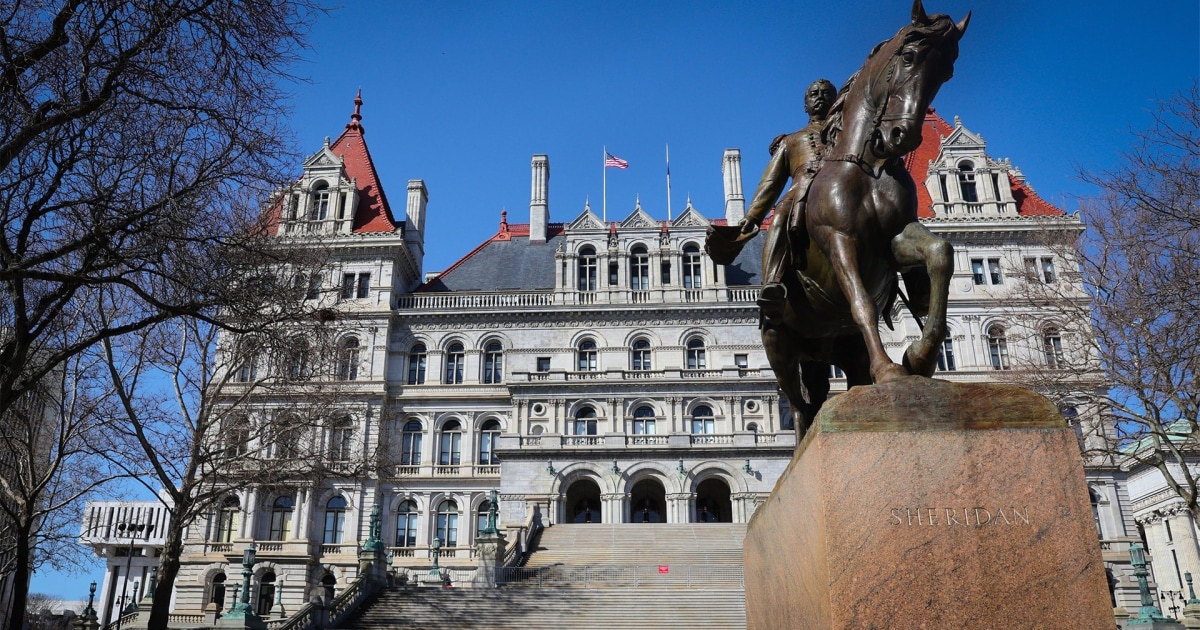
Bowie made five visits to the New York State Capitol between July 21 and August 9, conducting surveillance from multiple vantage points prior to her arrest.
Surveillance material notes she used an observation hall nearby to observe the Capitol, indicating detailed reconnaissance ahead of any potential attack.
Authorities have noted Bowie converted to Islam roughly five years before the alleged plot, a detail mentioned in multiple reporting.
The investigation alleges she pledged allegiance to ISIS in an Arabic message and exchanged communications with undercover operatives seeking help to make explosives, illustrating direct outreach to facilitators.
The arrest followed a multi-agency raid of an Albany residence and included a planned news conference involving the U.S. Attorney’s Office, FBI, Secret Service, Albany County Sheriff’s Department, and Albany Police Department.
A 35-year-old Albany woman pleaded allegiance to ISIS and plotted to bomb the New York State Capitol, federal prosecutors say. FBI agents arrested Jessica Bowie after she conducted surveillance of the Capitol building five times in July and August, purchased bomb materials, and met with undercover operatives she believed would help carry out the attack. Investigators found a gun and an inert explosive device when they arrested her.
Bowie converted to Islam about five years before the alleged plot, according to NBC News. She exchanged messages with undercover agents discussing how to make explosives and even suggested hiding a bomb inside a DoorDash delivery bag. Politico reported that officials have stated there is no immediate threat to the public, and Bowie remains detained pending trial on charges of attempting to provide material support to a terrorist organization.
Five Capitol Visits Show Detailed Planning
Between July 21 and August 9, Bowie made five separate trips to the New York State Capitol to scout the building. JAM Broadcasting reported that she observed the Capitol from multiple angles and used an observation hall to study the layout. The repeated visits suggest she was conducting careful reconnaissance before any potential attack.
Her surveillance pattern was methodical. She returned to the same locations multiple times, gathering information about security, guard patterns, and potential entry points. Federal investigators documented each visit as evidence of premeditation and serious intent to carry out the plot.
Undercover Agents Posed as ISIS Facilitators
The FBI used undercover operatives who pretended to be ISIS members willing to help Bowie. The Independent reported that Bowie exchanged messages with these agents seeking instructions on how to make explosives. She believed they were legitimate contacts who could provide technical help for her attack plan.
The undercover operation provided Bowie with an inert—or non-functional—explosive device and instructional materials. When she showed up to meet with the operatives expecting assistance, federal agents were waiting. The arrest happened at this meeting point after investigators felt confident they had enough evidence of her intent.
ISIS Pledge and Bomb Materials Found at Arrest
Bowie openly pledged allegiance to ISIS in an Arabic-language message, according to Jerusalem Post reporting. She also purchased materials for building an explosive device, including nails that would be used as shrapnel. When arrested, she had a loaded gun and the inert explosive device provided by undercover agents.
The evidence shows direct communication with the terror group's ideology and active preparation for violence. Investigators say her messages to the undercover operatives were clear: she wanted help creating a bomb to destroy the Capitol building. The combination of surveillance, material purchases, and explicit messaging made the threat serious enough for immediate arrest.
Multi-Agency Response and Public Safety
The arrest involved a coordinated effort by multiple federal and local agencies. NBC News reported that the U.S. Attorney's Office, FBI, Secret Service, Albany County Sheriff's Department, and Albany Police Department all participated in the investigation and arrest. A planned news conference brought together officials to explain the case to the public.
Officials emphasized that the public faced no immediate danger because the plot was stopped before it could advance further. The case shows how online extremist messaging can radicalize Americans and inspire real-world violence. Law enforcement's ability to monitor encrypted communications and run undercover operations proved critical to preventing a potential attack on a state Capitol.
Sentiment
Mostly NegativePublishers
87
Articles
494
Reach
581


