Heatwave Alters Tour de France Route
Tour de France Stage 9 Shortened by 30km Amidst France's Red Alert Heatwave
Anonymous
Key Points
1
Stage 9 was shortened from 185.5 km to 155.5 km, cutting 30 km and removing an early hilly loop; the peloton will depart Brive-la-Gaillarde via the D921 toward Lanteuil before rejoining the planned course with 147.8 km to go.
2
On the shortened route, the four categorized climbs remain, including at least one climb of 4.8 km and another with an average gradient of 7.7%.
3
Météo-France placed Corrèze on red alert for an exceptionally intense heatwave; temperatures were expected to exceed 35°C, prompting ASO and organizers to adjust the stage to ensure safety.
4
Broader heatwave context in France: about a quarter of mainland France was under the highest heat alert, with 59 departments on orange alert, and events such as Bastille Day fireworks displays canceled in some areas due to wildfires and dry conditions.
5
ASO described the decision as necessary given the exceptional weather conditions to ensure the race can take place under conditions compatible with the red heatwave alert.
For the first time in Tour de France history, a stage has been shortened due to extreme heat. Stage 9 was cut from 185.5 km to 155.5 km — a reduction of 30 kilometers — after Météo-France issued a red alert for an exceptionally intense heatwave in the Corrèze region, according to CTV News.
Race organizer ASO said the change was necessary to ensure the race could take place "under conditions compatible with the red heatwave alert." Temperatures in the region were expected to exceed 35°C. Belgian sprinter Tim Merlier had just won Stage 8 — a 180 km run from Périgueux to Bergerac — shortly before the red alert was declared, CP24 reported.
How the Shortened Stage 9 Route Was Rerouted
The original Stage 9 ran 185.5 km from Malemort to Ussel. ASO cut an early hilly loop from the start of the route. The peloton now departs Brive-la-Gaillarde via the D921 toward Lanteuil, then rejoins the planned course with 147.8 km to go, Cycling Magazine reported.
Despite the cut, the four categorized climbs all remain on the revised 155.5 km course. At least one climb stretches 4.8 km, and another averages a gradient of 7.7%. The race remains tough — just shorter and safer.
Red Alerts and Record Heat Grip Central France
Météo-France placed Corrèze on its highest heat warning level — a red alert. About a quarter of mainland France was under the top alert. Another 59 departments were placed on orange alert, one level below red, according to Vancouver Island CTV News.
The heat also forced cancellations beyond cycling. Bastille Day fireworks displays were called off in some areas due to wildfire risk and extremely dry conditions. The heatwave is affecting public safety across the country, not just the Tour.
Teams Use Ice Vests and Cooling Tactics to Survive the Heat
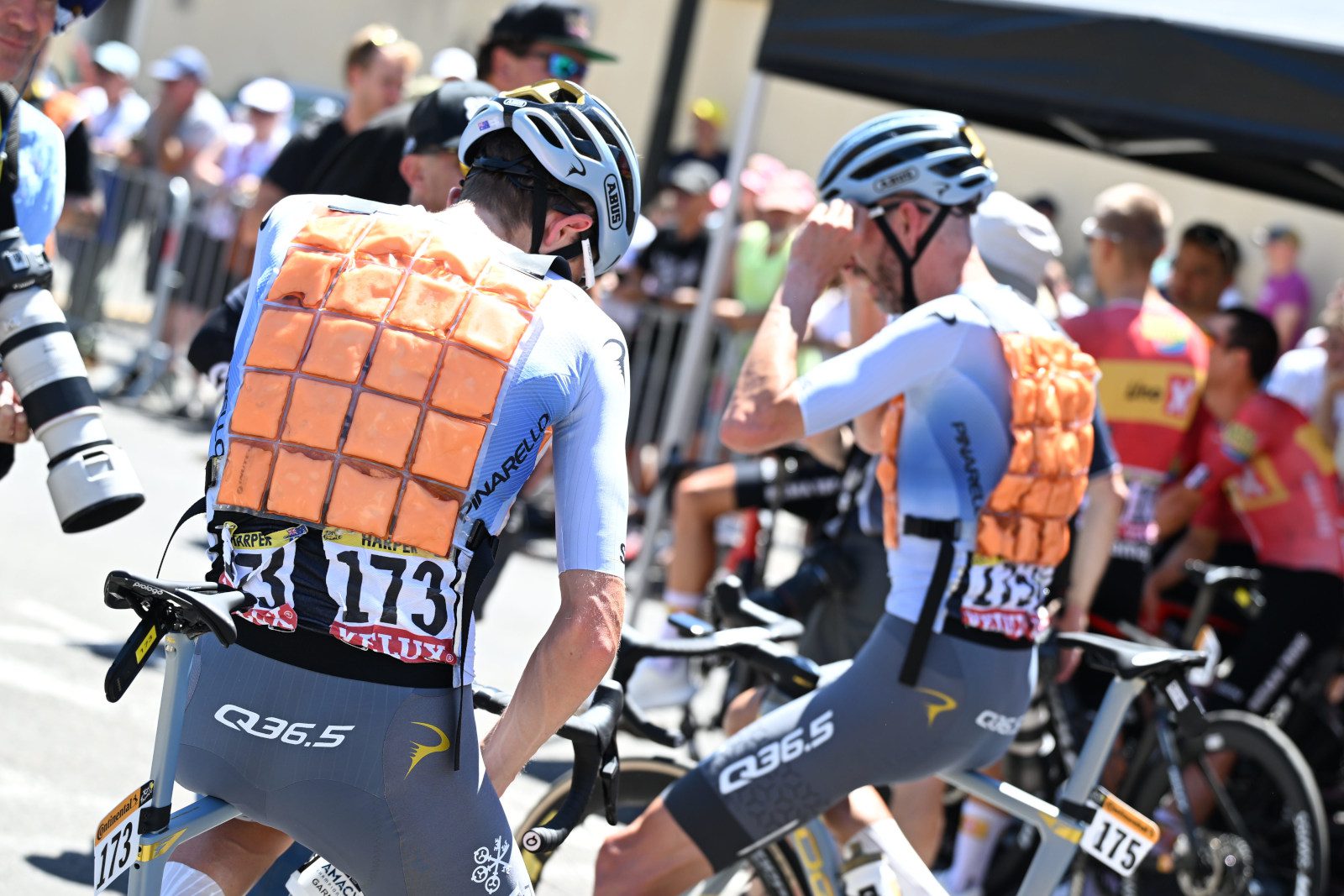
Riders and teams have been fighting the heat with every tool available. Ice vests, cold water bottles, and careful hydration strategies are all in use during the race. Staying cool before and during stages has become as important as race tactics, Morning Chronicle noted.
Managing body temperature in 35°C-plus heat over 155 km of climbing is a serious physical challenge. Teams must balance racing hard with keeping riders safe. The heat is not just uncomfortable — it is a genuine danger.
A Historic First That Could Set a New Precedent
This marks the first time in the Tour de France's history that a stage has been shortened because of heat. The race has faced weather disruptions before, but never a heat-driven route cut of this scale. ASO's move signals a shift in how extreme weather is handled at major cycling events.
With climate change making extreme heat more frequent, this decision may not be the last of its kind. Organizers are now balancing the tradition of grueling endurance racing against the real-world limits of human bodies in dangerous temperatures.
Sentiment
Mostly NegativeNEGATIVENEUTRALPOSITIVE
Publishers
12
Articles
36
Reach
48
Topics
A
AnonymousAuthor


