France's Extreme Heat Crisis
France Under Red Alert Amid Third Heatwave; Paris Landmarks Close Early, Wildfires Intensify
Anonymous
Key Points
1
France has logged more than 8,000 fires so far this year, burning over 25,000 hectares; the total area burned is roughly double that of the same period last year, underscoring the severity of the wildfire season.
2
An estimated 24 departments are under the maximum red alert, home to about 22 million people, with another 59 departments on orange heat warnings—highlighting the widespread scale of the heatwave across mainland France.
3
President Emmanuel Macron has stressed vigilance, noting that nine out of ten fires are caused by human activity and warning that 'a single second of inattention can put families at risk, endanger those who protect us and destroy our countryside.'
4
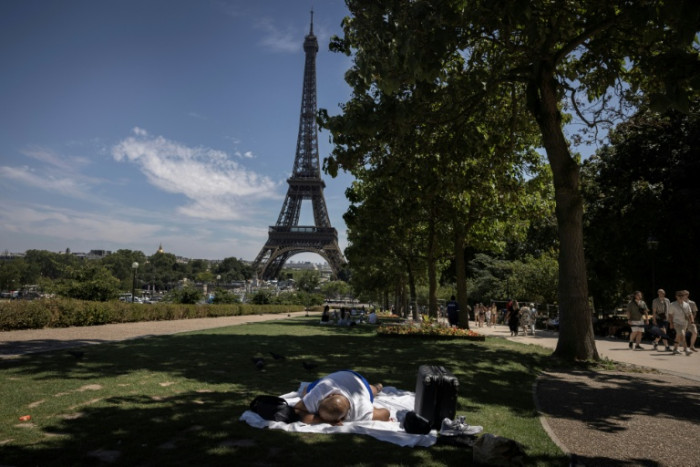
Eiffel Tower-specific measures include an exceptional 4:00 p.m. closing on Saturday and Sunday, with last entry at 12:15 p.m. and restaurants operating only until 1:30 p.m.; ticket refunds are offered for affected visits and visitors are advised to check emails for details, alongside water fountains provided along access routes.
France is sweltering through its third heatwave since May, forcing Paris's most famous landmarks to shut their doors early. The Eiffel Tower will close at 4 p.m. on Saturday and Sunday, the Louvre at 4 p.m. from Friday through Monday, and the Musée d'Orsay at 5 p.m. from Saturday through Wednesday, according to Yahoo News.
The heat is not just an inconvenience — it is a crisis. Twenty-four departments, home to roughly 22 million people, are under the maximum red alert. Another 59 departments face orange warnings, meaning the extreme heat covers nearly all of mainland France, Fox26 Medford reported.
Paris Landmarks Shut Early to Protect Visitors
The Eiffel Tower is taking strict steps to keep visitors safe. Last entry on Saturday and Sunday is at 12:15 p.m. Restaurants on the tower will stop serving at 1:30 p.m. Visitors with tickets for later slots will get full refunds and are advised to check their emails for details, according to Yahoo News. Water fountains have been set up along the access routes.
The Louvre and the Musée d'Orsay are also cutting their days short. The Louvre's 4 p.m. closure runs four straight days — Friday through Monday. The Musée d'Orsay closes even earlier than usual for five days straight. These are not routine schedule changes. They are emergency measures driven by forecast temperatures that could climb past 40 degrees Celsius in some regions, AOL reported.
Wildfires Double Last Year's Burned Area
The heatwave is fueling a brutal wildfire season. France has logged more than 8,000 fires so far this year, burning over 25,000 hectares. That is roughly double the area burned during the same period last year, according to Yahoo News. The fires are spreading fast across dry, sun-baked land.
President Emmanuel Macron placed the blame squarely on human behavior. He warned that nine out of ten fires are caused by people. "A single second of inattention can put families at risk, endanger those who protect us and destroy our countryside," Macron said. Civil defense officials echoed his call for vigilance as firefighters battled blazes across multiple regions.
Bastille Day Fireworks Canceled Across Many Towns
France's national holiday weekend brought extra disruptions this year. Many towns canceled their Bastille Day fireworks displays as a safety precaution. Dry conditions and strong winds made open-air fire displays too dangerous to hold, 24 News HD reported. The cancellations added to a sense of a holiday weekend overshadowed by crisis.
Travel hubs also felt the pressure. Trains and highways filled with people trying to escape the heat or reach family. The combination of crowds, extreme temperatures, and fire risk put strain on transport networks. Authorities urged travelers to plan carefully and stay hydrated throughout the journey.
What Comes Next as the Heat Refuses to Break
Météo-France has not signaled a quick end to the heat. Temperatures are expected to stay dangerously high across a wide swath of the country for several more days. The red alert status covering 24 departments means officials are treating this as a serious public health emergency, not just uncomfortable summer weather, according to AOL.
Authorities are urging people to check on elderly neighbors, stay indoors during peak afternoon hours, and drink water regularly. The strain on infrastructure — from cooling centers to emergency services — is mounting. With fires still burning and temperatures still rising, France faces a difficult few days ahead.
Sentiment
Mostly NegativeNEGATIVENEUTRALPOSITIVE
Publishers
18
Articles
90
Reach
108
A
AnonymousAuthor


