Securing Critical Rare Earths
USA Rare Earth Acquires Stake in Carester, Building Western Rare Earth Supply Chain
Anonymous
Key Points
1
Carestar's Lacq facility, when fully ramped, is slated to produce 800 tonnes per annum of neodymium-praseodymium oxide, 500 tonnes per annum of dysprosium oxide, and 100 tonnes per annum of terbium oxide.
2
France’s government is backing the Lacq ecosystem through direct credits under the C3IV program, covering up to 45% of eligible equipment and related incentives for the LCM Europe metallization and alloy project.
3
A portion of the joint investment will fund the acquisition of minority shareholders’ interests in Carester, resulting in their full exit from the company.
4
Lacq’s commissioning is targeted for late 2026 (with some reports specifying the fourth quarter of 2026), which would enable the long‑sought oxide output to begin flowing to Western magnet production.
5
If Lacq comes online as planned, USA Rare Earth’s access to oxide output could support Stillwater’s Oklahoma magnet plant later in 2026, providing a non-China supply of heavy RE oxides to feed domestic production.
USA Rare Earth has signed a deal to buy a 13.6% stake in French rare earth processor Carester, according to Reuters. French private equity fund InfraVia's Critical Metals Fund is taking a matching 13.6% stake. The transaction is expected to close in the third quarter of 2026.
The deal formalizes a framework first announced in April. It ties together Carester's processing plant in Lacq, France with feedstock from USA Rare Earth's Serra Verde and Round Top deposits. The goal is to build a rare earth supply chain that does not depend on China, Mining Weekly reported.
Lacq Plant to Produce Hundreds of Tonnes of Rare Earth Oxides
Carester is building a separation and recycling facility in Lacq, southwest France. The plant is called Caremag. It targets start-up in the fourth quarter of 2026, according to Mining Weekly. When fully running, it is slated to produce 800 tonnes per year of neodymium-praseodymium oxide, 500 tonnes per year of dysprosium oxide, and 100 tonnes per year of terbium oxide.
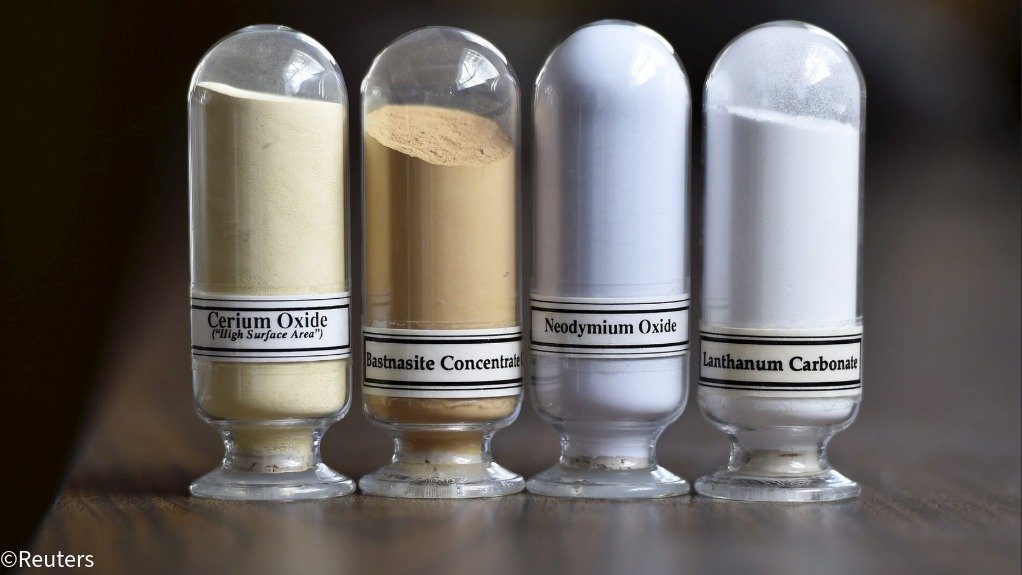
These are heavy rare earth oxides. They are key ingredients in the powerful magnets used in electric vehicles and wind turbines. Today, China dominates their production. Lacq is designed to offer Western buyers an alternative source, Reuters noted.
France Backs the Lacq Ecosystem With Direct Government Credits
France's government is supporting the project through its C3IV program. The program covers up to 45% of eligible equipment costs. Related incentives also apply to the LCM Europe metallization and alloy project linked to Lacq. That support lowers the financial risk for investors significantly.
A portion of the joint investment from USA Rare Earth and InfraVia will be used to buy out minority shareholders in Carester. Those shareholders will exit the company entirely. The remaining funds will go toward expanding the Lacq plant, AOL reported.
Oklahoma Magnet Plant Could Benefit Once Lacq Comes Online
USA Rare Earth owns a magnet manufacturing plant in Stillwater, Oklahoma. That plant needs a steady supply of rare earth oxides that does not come from China. If Lacq starts up as planned in late 2026, it could feed oxide directly to Stillwater, according to TipRanks.
The deal also gives USA Rare Earth access to Carester's engineering know-how and intellectual property for separation and recycling. In return, Carester gets access to feedstock from Serra Verde in Brazil and the Round Top deposit in Texas. Each side fills a gap the other has.
Integrated Supply Chain Aims to Cut Western Dependence on China
Analysts say the deal's real value goes beyond the 13.6% stake. The offtake rights — meaning the right to buy Carester's oxide output — matter just as much. They give USA Rare Earth a guaranteed non-China source of heavy rare earth material for years to come.
The broader push here is to reshore rare earth processing to the U.S. and Europe. China currently controls most of the world's rare earth separation capacity. This Lacq-to-Oklahoma pipeline, if it works as planned, would be one of the few Western alternatives in operation, Market Screener noted.
Sentiment
Mostly PositiveNEGATIVENEUTRALPOSITIVE
Publishers
10
Articles
27
Reach
37
A
AnonymousAuthor


