Electricity Bill Relief
New PM Andy Burnham Cuts VAT on Electricity Bills to Tackle Cost-of-Living Crisis
Anonymous
Key Points
1
The VAT cut will shave around £45 off the typical domestic electricity bill, reducing the average annual bill (about £1,862) from 1 October.
2
Funding the measure comes from scrapping a Digital ID programme that had been proposed by outgoing prime minister Sir Keir Starmer, a programme reportedly costing about £1.8 billion.
3
Northern Ireland will receive an equal financial allocation to spend on its own cost-of-living package while continuing to pay VAT in line with EU tax rules.
4
The policy is expected to influence energy efficiency by narrowing the price gap between gas and electricity, potentially boosting uptake of electric heat pumps for gas boilers.
5
The government has estimated the cost of the measure at around £850 million in 2026-27, highlighting ongoing financing considerations.
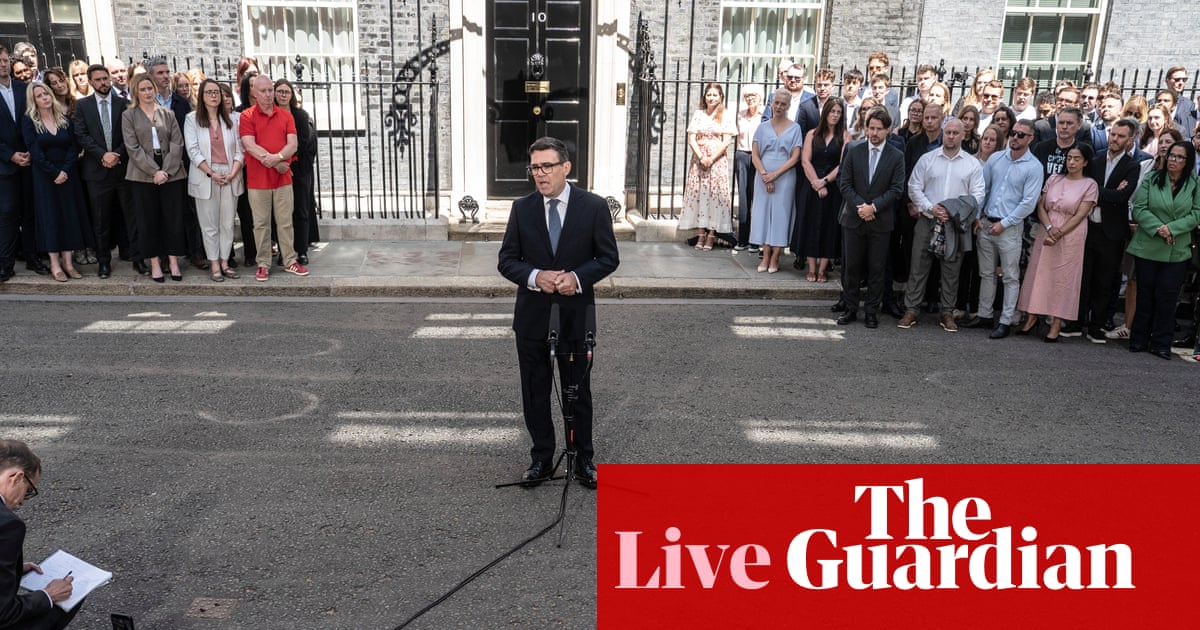
New UK Prime Minister Andy Burnham announced a VAT cut on domestic electricity bills on his second day in office, with the change taking effect from October 1. The move is expected to save the average household around £45 a year, trimming the typical annual electricity bill from roughly £1,862, according to The Guardian.
Burnham unveiled the policy alongside Chancellor John Healey, framing it as fast action on the cost-of-living crisis. The government will fund the cut this year by scrapping a Digital ID programme proposed by former Prime Minister Sir Keir Starmer, a scheme that had carried a reported price tag of about £1.8 billion, The Guardian reported.
£45 Saving Kicks In From October 1
The VAT reduction will apply to domestic electricity bills across Great Britain from the start of October. VAT on electricity currently sits at 5%. Removing it cuts the average annual bill by around £45. Chancellor Healey said the change would give families "breathing space" and could also help bring down overall inflation, according to The Guardian.
The government puts the full-year cost of the policy at around £850 million in 2026-27. Critics have questioned how the measure will be paid for beyond this year. Burnham's team has said further financing details will follow in the coming months.
Digital ID Programme Axed to Pay the Bill
To cover the cost in the current financial year, Burnham's government is cancelling the Digital ID scheme. The previous Starmer government had planned the programme as a national digital identity system. It was reportedly set to cost around £1.8 billion, according to The Guardian.
Scrapping the scheme frees up funds without raising taxes or cutting existing services. It also lets Burnham draw a clear line between his government and his predecessor's agenda. The move drew praise from some quarters as a clean, visible source of savings.
Northern Ireland Left Out of the VAT Cut
Northern Ireland will not benefit directly from the VAT cut. The region follows EU tax rules under the post-Brexit arrangements, which means it must continue charging VAT on electricity bills, Inverell Times reported. The government cannot simply override those rules.
Instead, Northern Ireland will receive an equal financial allocation from Westminster. It can use that money on its own cost-of-living measures. The exact shape of that package will be decided by the Northern Ireland Executive.
Cheaper Electricity Could Boost Heat Pump Uptake
Beyond the direct saving, the policy could shift how people heat their homes. Right now, electricity costs far more per unit than gas. That gap makes electric heat pumps — which replace gas boilers — less attractive to buyers. Cutting electricity VAT narrows that gap, according to The Guardian.
Energy experts say even a modest price shift can change consumer decisions over time. If electricity becomes relatively cheaper, more households may consider switching away from gas. That would support the government's broader push toward cleaner home heating and lower carbon emissions.
Sentiment
Mostly NegativeNEGATIVENEUTRALPOSITIVE
Publishers
31
Articles
126
Reach
157
A
AnonymousAuthor


