Aging Health Insights
Understanding Chronic Inflammation, Supportive Footwear, and Inspiring Recovery: Insights for Your Health Journey
Anonymous
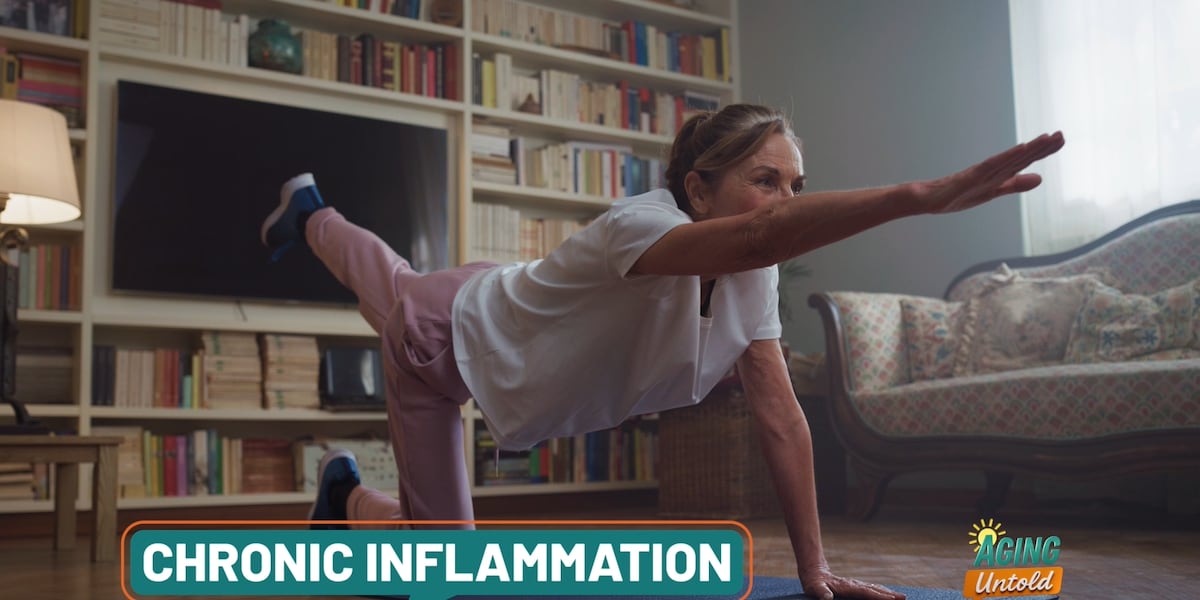
Chronic inflammation — a slow, silent process that damages the body over time — is the focus of a new episode of *Aging Untold*, a daily 30-minute health show airing on more than 100 TV stations nationwide. The program, produced by Gray Media, reaches roughly 35% of U.S. television households and tackles the health challenges facing older Americans. 12onyourside.com reports the episode breaks down the key difference between two very different types of inflammation: one that helps you heal, and one that can quietly harm your health for years.
The episode also covers how aging feet need different shoes, and tells the remarkable story of Mingo Graham — an Alaska man who woke from a months-long coma after a motorcycle crash and used Lego sets to rebuild his mind and body. live5news.com and wlox.com both carried the full episode.
Acute vs. Chronic Inflammation: What the Difference Means for You
Acute inflammation is your body's helpful short-term response. You cut your finger, it swells and turns red, then heals. Chronic inflammation works differently. It is a low-grade, ongoing fire inside your body that never fully turns off. Doctors call this slow burn
Doctors on the show, including board-certified physician Dr. Rhea Rogers, explain that chronic inflammation silently damages arteries, joints, and organs. Over time, it raises the risk of heart disease, cognitive decline, and metabolic disorders. Dr. Rogers points to ultra-processed, packaged foods — the kind found in the middle aisles of most grocery stores — as a primary driver. She advocates for fiber, healthy fats, and strict limits on added sugar as front-line defenses.
Why the Right Shoes Matter More as You Age
The episode compares your feet to the foundation of a house. If the foundation cracks, everything above it shifts. As the body ages, blood flow slows, skin loses elasticity, and nerves become less sensitive. This makes it easier to develop blisters, ulcers, or infections without even feeling them — a serious danger for people with diabetes.
The show recommends shopping for shoes designed for support and structure, not just style. Proper footwear helps maintain balance. It also protects the hips, knees, and spine from the compensation injuries that follow when the feet are not properly supported. Falls are the leading cause of injury-related hospital stays among older adults, making this advice potentially life-saving.
Crash Survivor Uses Lego Bricks to Rewire His Brain
In 2016, Mingo Graham struck a pole on his motorcycle at 110 mph. The crash broke his C6 vertebra and left him paralyzed below the waist. He spent months in a coma. When he woke up at Stanford University Medical Center, his body was twisted and locked. He eventually moved to a rehab facility in Anchorage, Alaska, where he spent 8 months largely alone in his room.
Graham found a way forward through Lego sets. Using only one finger, one thumb, and his mouth, he assembles complex models — up to 6,000 pieces in a productive week. The repetitive, precise work stimulates fine motor pathways and keeps his mind sharp and engaged. Graham told correspondent Dave Allgood, "I wake up today... sideways, because I'm always sideways. My brain lives on the side now... [Legos] give me motivation when I'm unmotivated." Rehab staff say his case shows the power of play therapy in long-term care.
A National Show Filling a Gap in Elder Health Coverage
*Aging Untold* launched on February 1, 2026, starting with digital-only episodes before hitting more than 100 Gray Media TV stations on March 2, 2026. The show films 4 episodes per day during Atlanta production blocks — 20 episodes per month. Gray Media COO Sandy Breland championed the project to address a clear gap: serious, science-based health content aimed at older Americans and their caregivers.
The stakes are high. More than 60 million Americans provide unpaid care to family members, and older adults lost roughly $5 billion to financial fraud in 2024 alone. The show's panel of experts — including aging care manager Amy Cameron O'Rourke and senior care specialist Sam Cradduck — argues that understanding root causes of decline, like chronic inflammation, is one of the most powerful tools older adults have. 11abc.com notes the episode frames this knowledge not as medical jargon, but as practical, everyday decision-making.
Sentiment
NeutralNEGATIVENEUTRALPOSITIVE
Publishers
35
Articles
34
Reach
35
A
AnonymousAuthor


