Regional Defense Alliance Forms
Saudi Arabia, Turkey, and Pakistan Form NATO-Style Defense Pact, Enhancing Regional Security
Key Points
The trilateral pact builds on a 2025 Saudi–Pakistan Strategic Mutual Defence Agreement, with Turkey’s inclusion converting a bilateral accord into a trilateral framework that significantly raises its strategic weight.
Egypt has been floated as a potential member, as the framework remains open to additional regional partners, signaling a widening regional security architecture.
Officials emphasize a non-sectarian framing and explicitly state the pact is not aimed at any country, including Iran or Israel.
The agreement covers more than defense: it calls for closer political and military coordination, joint exercises, and expanded cooperation in defense industries and technology.
Saudi Arabia, Turkey, and Pakistan signed the Mecca Joint Defence Agreement on August 7, creating a NATO-style mutual-defense pact among three of the world's most powerful Muslim-majority militaries. Under the deal, an armed attack on one country triggers a coordinated military response from the others, according to CTV News.
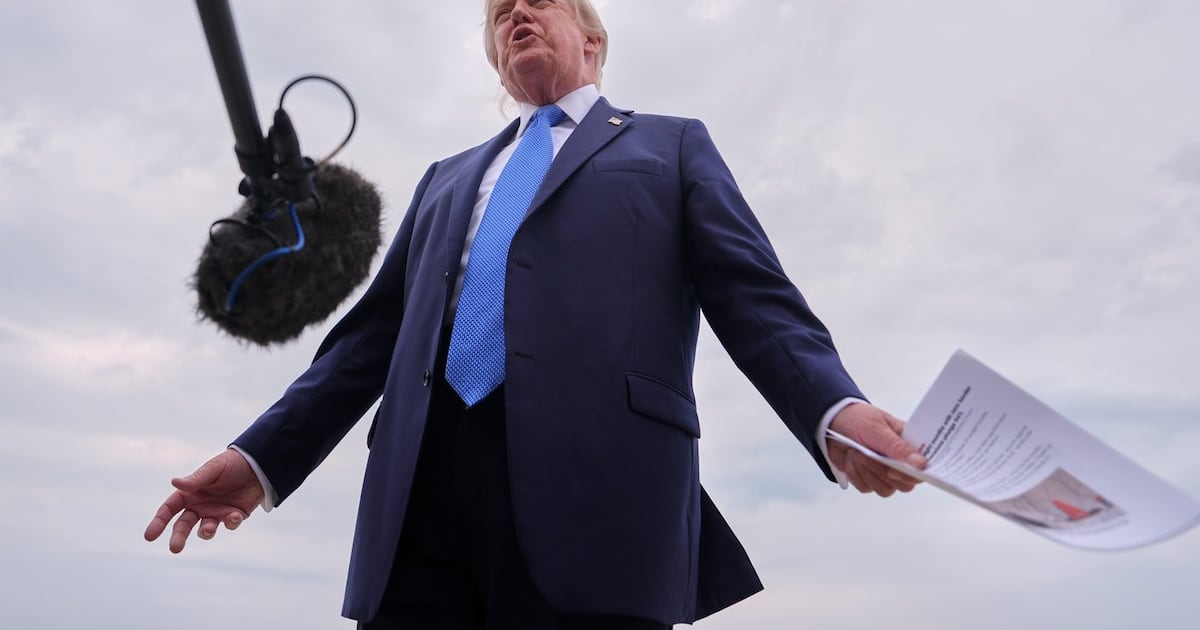
U.S. President Donald Trump quickly welcomed the pact on Truth Social, calling it a "BIG, BOLD, IMPORTIVE FIRST STEP" toward greater regional security. CP24 reported that Trump praised the agreement as a sign of stronger political and military coordination in the Middle East.
How a Bilateral Deal Became a Trilateral Power Bloc
The new pact builds directly on a 2025 Saudi-Pakistan Strategic Mutual Defence Agreement. Turkey's entry converted that bilateral deal into a three-nation framework, significantly raising its strategic weight. Crypto Briefing noted the agreement brings together three major Muslim-majority military powers under a single collective-defense clause for the first time.
Turkey is already a full NATO member, giving the pact an unusual double dimension. One of its signatories is bound to the Western alliance while simultaneously anchoring a new regional security bloc. That overlap could deepen both deterrence and diplomatic leverage for all three countries.
Egypt and Others Could Join a Growing Security Bloc
The Mecca agreement is explicitly open to new members. Egypt has already been floated as a potential next partner, according to Scanx Trade. If Cairo joins, the bloc would cover a combined population of well over 400 million people and some of the most strategically vital waterways in the world.
Officials from all three countries say the pact is non-sectarian and not aimed at any specific nation — including Iran or Israel. The framing is designed to make the alliance look broadly defensive rather than a response to any single regional threat.
More Than Defence: Joint Drills and Arms Industry Ties
The agreement goes beyond a simple mutual-defense guarantee. It calls for joint military exercises, closer political coordination, and expanded cooperation in defense industries and technology, CTV News reported. That last point is significant: all three countries have growing domestic arms sectors and want to reduce reliance on Western suppliers.
Pakistan fields a nuclear arsenal and a large standing army. Saudi Arabia has one of the world's biggest defense budgets. Turkey manufactures its own combat drones, warships, and armored vehicles. Together, the three nations bring complementary capabilities that could make the bloc's defense-industry ambitions realistic.
Trump's Endorsement Signals Washington's Strategic Approval
Trump's public backing is notable. Past U.S. administrations were often wary of security arrangements in the Middle East that Washington did not lead. Trump's praise suggests the White House sees the pact as aligned with U.S. interests, particularly around Gulf maritime security and containing Iranian influence in the region.
Crypto Briefing described the agreement as a significant shift in regional security architecture. Observers say it could reshape alliance networks across the Middle East and South Asia in ways not seen since the Cold War era. Whether additional countries join in the coming months will be the clearest test of the pact's real reach.
Sentiment
Mostly PositivePublishers
11
Articles
12
Reach
23