US-South Korea Drills Reduced
Trump Directs Pentagon to Scale Back US-South Korea Drills Over Iran Stance
Key Points
The reductions target the 11-day joint U.S.–South Korea exercises, one of two large-scale drills set to begin soon, with officials stressing the exercises are defensive in nature.
Trump announced on Truth Social that he instructed Defense Secretary to 'substantially reduce' the exercises after Seoul declined to help denuclearize Iran, citing his 'very good relationship' with North Korea's Kim Jong Un.
The move follows a historical pattern from Trump’s terms: past reductions or suspensions of major drills (Key Resolve, Foal Eagle; Freedom Guardian; Ulchi) and a long-standing debate over burden-sharing, with recent signals from the Pentagon and Congress about a 'more limited' U.S. role on the peninsula.
Cost considerations have long influenced the drills: BBC notes that these exercises are costly and that much of the financial burden is borne by the United States.
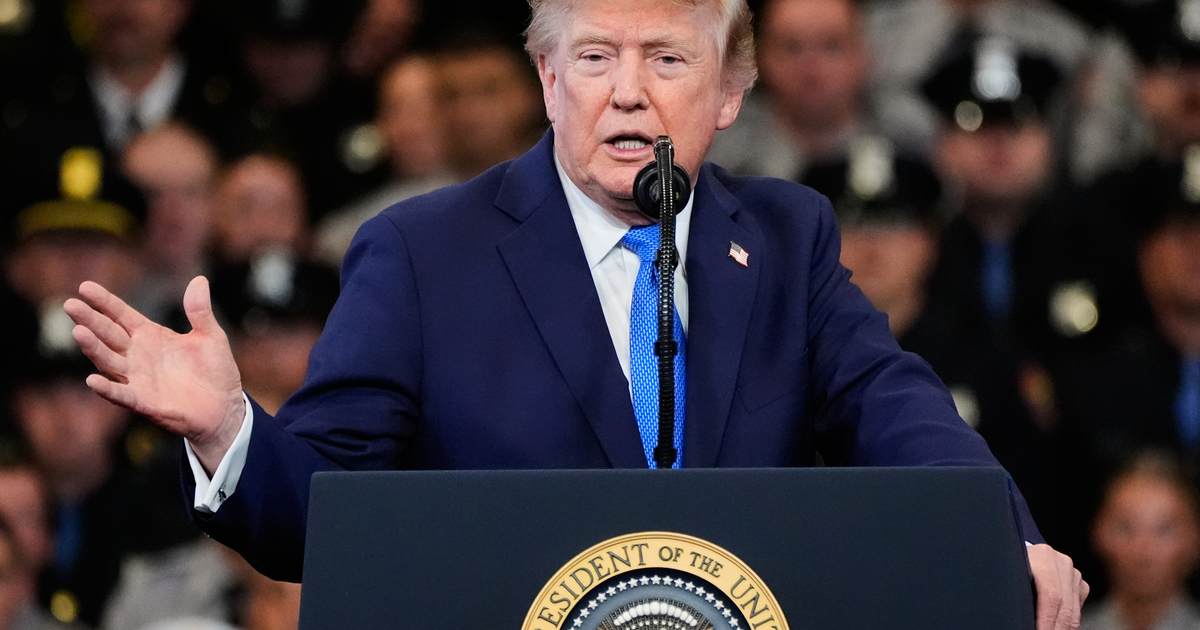
President Trump has ordered the Pentagon to substantially reduce joint military exercises with South Korea, citing Seoul's refusal to help denuclearize Iran and his "very good relationship" with North Korean leader Kim Jong Un, according to Yahoo News. The instruction went directly to Defense Secretary Pete Hegseth, with Trump noting it was too late to cancel the upcoming drills entirely but not too late to scale them back.
The move targets an 11-day joint exercise set to begin soon — one of two large-scale drills planned between the two allies, according to Townhall. The United States currently keeps about 28,500 troops stationed in South Korea.
Trump Cites Kim Relationship and Seoul's Iran Refusal
Trump announced the decision on Truth Social. He said South Korea declined to help with efforts to denuclearize Iran, and that this refusal influenced his order, according to Yahoo News. He also pointed to his relationship with Kim Jong Un as a reason to dial back the drills.
The exercises are defensive in nature, officials stress. But Trump has long viewed large-scale drills as provocative and costly. He posted that he told Hegseth to "substantially reduce" the scope of the upcoming exercises, framing it as a measured step rather than a full cancellation, according to Head Topics.
A Pattern of Scaling Back Drills Goes Back Years
This is not the first time Trump has cut back joint exercises. During his first term, he suspended major drills including Key Resolve, Foal Eagle, and Freedom Guardian. He also paused Ulchi exercises. Each time, he cited cost savings and diplomatic outreach to North Korea as justifications.
Cost has always been a key factor. These exercises are expensive, and much of the financial burden falls on the United States, according to Democrata. Debates over burden-sharing — who pays how much for the alliance — have long shaped decisions about the scale and frequency of these drills.
Experts Warn of Risks to Deterrence and Readiness
Military analysts warn that cutting back exercises weakens interoperability — the ability of U.S. and South Korean forces to work together effectively in a crisis. Fewer drills mean less practice for real-world scenarios on the Korean Peninsula, where tensions remain high.
The timing makes this more alarming. North Korea has resumed ballistic missile tests in recent months. Reducing joint exercises now sends a signal to Pyongyang at a moment when the alliance needs to project strength, experts say. The broader implications stretch across Indo-Pacific security, where allies watch U.S. commitment closely, according to Yahoo News.
Congress and Pentagon Signal a More Limited U.S. Role
The Pentagon and members of Congress have already been debating a "more limited" U.S. role on the Korean Peninsula. These internal discussions predate Trump's latest order but align with it. The administration has shown little appetite for the full scope of traditional alliance exercises.
South Korea has not yet issued a formal public response to Trump's order. The alliance remains intact on paper — U.S. troops are still stationed there — but the reduction in exercises marks a clear shift in how Washington is managing one of its most important security partnerships in Asia, according to Townhall.
Sentiment
Mostly NegativePublishers
21
Articles
76
Reach
97