Tariff Exemption Ends
US Trade Court Upholds Trump's Elimination of Duty-Free Imports, Boosting Tariff Enforcement.
Key Points
The lawsuit challenging the ruling was brought by a Michigan-based auto-parts distributor, and its attorneys did not respond to CNBC when asked for comment on the decision.
A 2024 estimate cited by one article puts foregone tariff revenue from the de minimis exemption at about $10.8 billion, illustrating the financial scale at stake.
The ruling was issued by the New York-based US Court of International Trade, which rejected a challenge to President Trump’s suspension of the de minimis exemption.
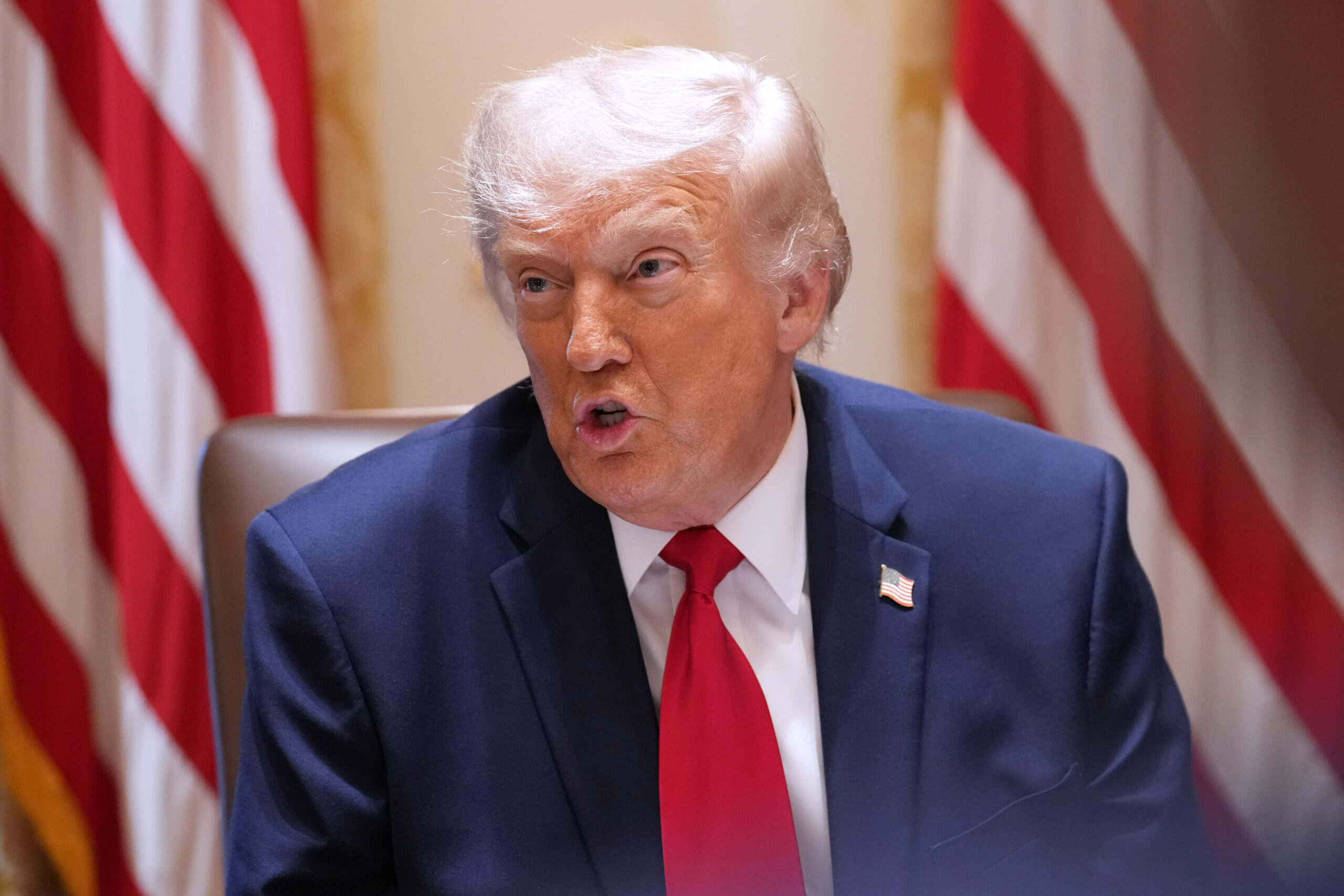
Trump framed the court victory as a major win for law-and-order in trade, highlighting a crackdown on illicit shipments and counterfeiters as part of the decision.
A federal trade court handed President Trump a major victory this week, upholding his suspension of the so-called de minimis exemption — a rule that had allowed foreign packages worth under $800 to enter the United States duty-free. The New York-based US Court of International Trade rejected a challenge to the policy, clearing the way for tariffs to keep flowing on low-value imports, according to TT News and Mediaite.
Trump celebrated the ruling online, calling it a "BIG WIN" and saying the court had closed a "giant loophole for TARIFF cheats," according to PJ Media. A 2024 estimate put the tariff revenue lost each year under the old exemption at roughly $10.8 billion — a figure that helps explain why the White House pushed hard to kill it.
What the De Minimis Exemption Was and Why It Mattered
The de minimis exemption was a long-standing trade rule. It let any foreign shipment valued at $800 or less enter the US without paying tariffs or import duties. For decades, retailers and e-commerce giants used it to ship goods directly to American consumers cheaply and fast. Critics, however, called it a massive loophole that cost the government billions each year.
Trump moved to suspend the exemption through a series of executive orders over the past year, according to TT News. The court's ruling now locks that suspension in place. Officials tied more than $1 billion in new tariff collections to the policy change by 2025, signaling a real shift in how low-value imports are taxed.
Michigan Auto-Parts Distributor Led the Failed Legal Challenge
The lawsuit against the suspension was brought by a Michigan-based auto-parts distributor. The company argued that Trump's executive orders went too far. The US Court of International Trade disagreed and rejected the challenge outright, according to TT News and Joe My God.
Attorneys for the Michigan company did not respond to requests for comment after the ruling. The decision leaves other potential challengers with a steep hill to climb. The court's reasoning reinforces the administration's broad authority to suspend trade exemptions in the name of tariff enforcement.
Trump Says the Loophole Fueled Fentanyl and Counterfeiting
Trump did not frame the ruling as just a revenue win. He tied the de minimis loophole directly to criminal activity. According to Yahoo News, Trump claimed the exemption had been exploited by fentanyl traffickers and counterfeiters who used cheap, low-value shipments to move illicit goods into the US without scrutiny.
By ending the exemption, the administration argues that customs agents can now inspect far more packages. Supporters say this is a meaningful tool against drug networks. Critics, however, warn that the policy will raise costs for everyday consumers who rely on low-cost goods shipped directly from overseas retailers.
What Comes Next for Low-Value Import Rules
The ruling sets a strong legal foundation for the administration's broader protectionist trade agenda. With the court backing the suspension, the White House can now press forward on collecting tariffs from millions of small packages that previously slipped through duty-free, according to Mediaite.
The financial stakes are enormous. The $10.8 billion in foregone revenue cited in a 2024 estimate shows just how much money was left on the table each year under the old rule. Whether that revenue materializes fully depends on enforcement capacity — customs agencies will need to process a massive new volume of taxable shipments.
Sentiment
Mostly NegativePublishers
22
Articles
105
Reach
127


