Mail-In Voting Dispute
Federal Mail-In Voting Rule Faces Ongoing Legal Battle as USPS Appeals Judicial Blocks
Anonymous
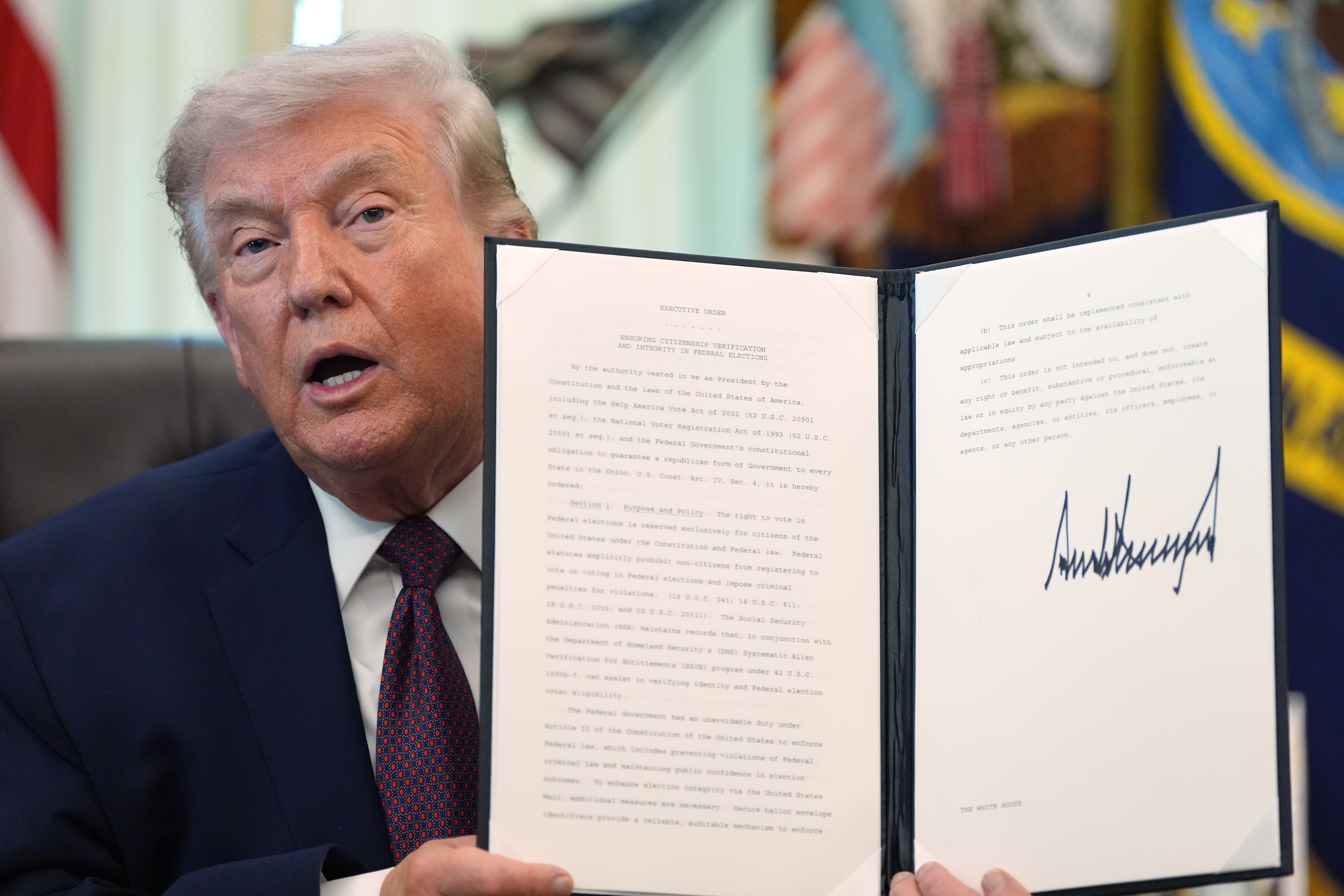
Two federal judges have blocked President Donald Trump's executive order restricting mail-in voting, keeping the policy on ice as the 2026 midterm elections approach. The order, signed on March 31, 2026, would bar the U.S. Postal Service from delivering mail-in ballots to anyone not cleared on a federally compiled citizenship list, according to WCAX.
The U.S. Postal Service has appealed both rulings, racing to get the restrictions back in place before November 3, 2026. The legal fight now appears headed toward the U.S. Supreme Court, with the administration hoping to win a favorable ruling from the conservative majority before Election Day.
What Trump's Executive Order Actually Does
Executive Order 14399 directs the Department of Homeland Security and the Social Security Administration to build "State Citizenship Lists" using data from state governments. The USPS would then be required to refuse mail-in ballot delivery in any state that declines to hand over its voter rolls to federal authorities, according to WAVE3.
The White House says the rules are needed to "prevent non-citizens from voting in Federal elections." But U.S. District Judge Indira Talwani in Boston found a major flaw in that logic. She wrote that a citizenship database would not identify noncitizens — it would only confirm citizens already on the rolls. She ruled the President has no constitutional authority to compile voter lists or regulate voting procedures.
Two Judges Block the Order in One Week
On June 25, 2026, Judge Talwani issued the first block, covering 23 states and Washington, D.C. Then on July 1, U.S. District Judge Emmet Sullivan in Washington, D.C., issued a nationwide injunction in a separate case brought by the NAACP, according to Hawaii News Now. Sullivan ruled the postal restrictions violated a legally binding 2021 settlement requiring the USPS to prioritize timely election mail delivery through 2028.
The NAACP's Quiana-Joy Ochiagha welcomed Sullivan's ruling, saying, "Access to the ballot cannot be tied to arbitrary requirements." On July 7, Judge Talwani also rejected the Trump administration's request to pause her ruling while they appeal, according to WISTV.
Millions of Voters Could Lose Mail Ballot Access
Critics warn that federal citizenship databases are full of gaps. Naturalized citizens, elderly voters, and out-of-state college students are especially at risk of being left off the lists. The Brennan Center for Justice says federal records are "notoriously incomplete," meaning millions of eligible voters could be blocked from receiving a ballot even if they are fully qualified to vote, according to WSMV.
The USPS is also warning of an operational mess. Executive Steven Monteith said in court filings that a "two-tiered system" — where ballot delivery rules differ by state — would cause "operational confusion and significantly increase the complexity" of mail delivery. This comes as the Postal Service is already reeling from a $9.5 billion net loss in fiscal year 2024, according to Atlanta News First.
What Happens Next as Midterms Draw Closer
The Trump administration is pushing to fast-track appeals to the U.S. Supreme Court before November 3, 2026. Eleven Republican state attorneys general have filed briefs supporting the administration's appeal. On June 29, the Supreme Court gave a hint of where it stands — it ruled 5-4 in a separate case to uphold state rules allowing mail ballots postmarked by Election Day, a narrow vote that signals deep division, according to WIBW.
For now, the blocks stand and the USPS must continue delivering mail ballots as it always has. But with appeals moving quickly through the courts and Election Day less than four months away, the rules governing how tens of millions of Americans can vote remain uncertain, according to WFSB.
Sentiment
NeutralNEGATIVENEUTRALPOSITIVE
Publishers
47
Articles
46
Reach
47
Topics
A
AnonymousAuthor


