Murder Appeal
Australia's Mushroom Killer Erin Patterson Appeals Triple-Murder Conviction in Melbourne Court
Key Points
Victims named in the case include Don Patterson and Gail Patterson ( Erin Patterson's husband Simon Patterson's parents) and Heather Wilkinson (Simon Patterson's aunt); the surviving injured party is Ian, Heather Wilkinson's husband, a local pastor who spent weeks in hospital after the incident.
The crimes were committed at Patterson's home in Leongatha, a rural Victorian farming village.
The Melbourne Court of Appeal will be presided over by three judges and the two-day hearing will cover both Patterson’s bid to overturn the conviction and prosecutors' bid for a longer sentence.
Defence submissions were filed in November last year, and prosecutors have separately lodged an appeal seeking a longer non-parole period for Patterson.
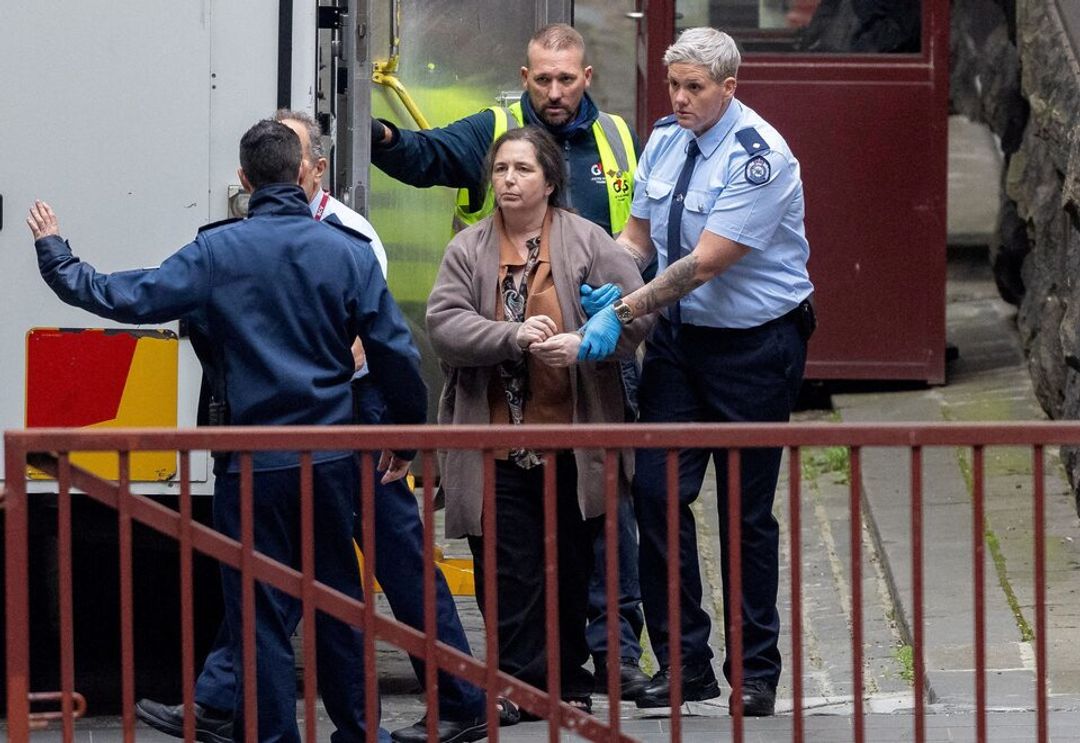
Erin Patterson, the Australian woman convicted of killing three relatives with death-cap mushroom-laced beef Wellington, has launched an appeal against her conviction at Melbourne's Court of Appeal, according to TRT World. Patterson, 51, is serving a life sentence with parole possible after 33 years. She is watching the two-day hearing via live video link from a maximum-security prison.
The appeal is running alongside a counter-move by prosecutors, who are pushing for an even longer non-parole period, according to RFI. Three judges will decide both bids over two days, making this one of the most closely watched criminal cases in Australian history.
Who Died and What Happened at That Lunch
The poisoning took place at Patterson's home in Leongatha, a small farming village in Victoria. She served beef Wellington to family members at a lunch in July 2023. Three people died: Don Patterson and Gail Patterson, the parents of her estranged husband Simon, and Heather Wilkinson, Simon's aunt, according to 24 News HD.
Heather's husband, Ian Wilkinson, a local pastor, also ate the meal. He survived but spent weeks in hospital fighting for his life. Patterson was convicted of murdering the three who died and of attempting to murder Ian. Death-cap mushrooms are among the most deadly fungi in the world. Even a small amount can cause fatal organ failure.
Defence Claims Trial Judge Made Key Errors
Patterson's lawyers filed their appeal submissions in November last year. They argue the trial judge made serious mistakes in evidentiary rulings, according to Free Malaysia Today. Specifically, the defence says materials from Facebook, mobile phone cell towers, and mushroom-sighting records were wrongly admitted or wrongly kept out of the trial.
These are what lawyers call "miscarriage of justice" grounds. That means the defence believes the errors were serious enough to make the verdict unfair. If the Court of Appeal agrees, it could overturn the conviction entirely or order a new trial.
Prosecutors Want a Harder Sentence, Not a Lighter One
While Patterson fights to clear her name, prosecutors are pushing in the opposite direction. They have filed their own appeal asking the court to increase Patterson's non-parole period beyond 33 years, according to JFeed. The three-judge panel will hear both sides over the same two days.
A longer non-parole period would mean Patterson would have to serve more time before she could even apply for release. Prosecutors argue the original sentence does not reflect the full gravity of a premeditated triple murder. The court's ruling on both appeals could come weeks or months after the hearing ends.
A Case That Shocked Australia and the World
The case drew massive international attention from the moment details emerged. The idea that a family lunch had been turned into a poisoning drew comparisons to crime fiction. Patterson had maintained her innocence throughout the trial, and her defence continues to do so now, according to TRT World.
Patterson is being held at the Dame Phyllis Frost Centre, Melbourne's maximum-security women's prison. She is attending the appeal hearings remotely via live video link. Whatever the court decides, the case has already reshaped how Australians think about food safety, family disputes, and the limits of trust.
Sentiment
Mostly NegativePublishers
12
Articles
29
Reach
41


