Hormuz escalation continues.
US strikes Iran for 10th night as tanker attacked in critical Strait of Hormuz.
Anonymous
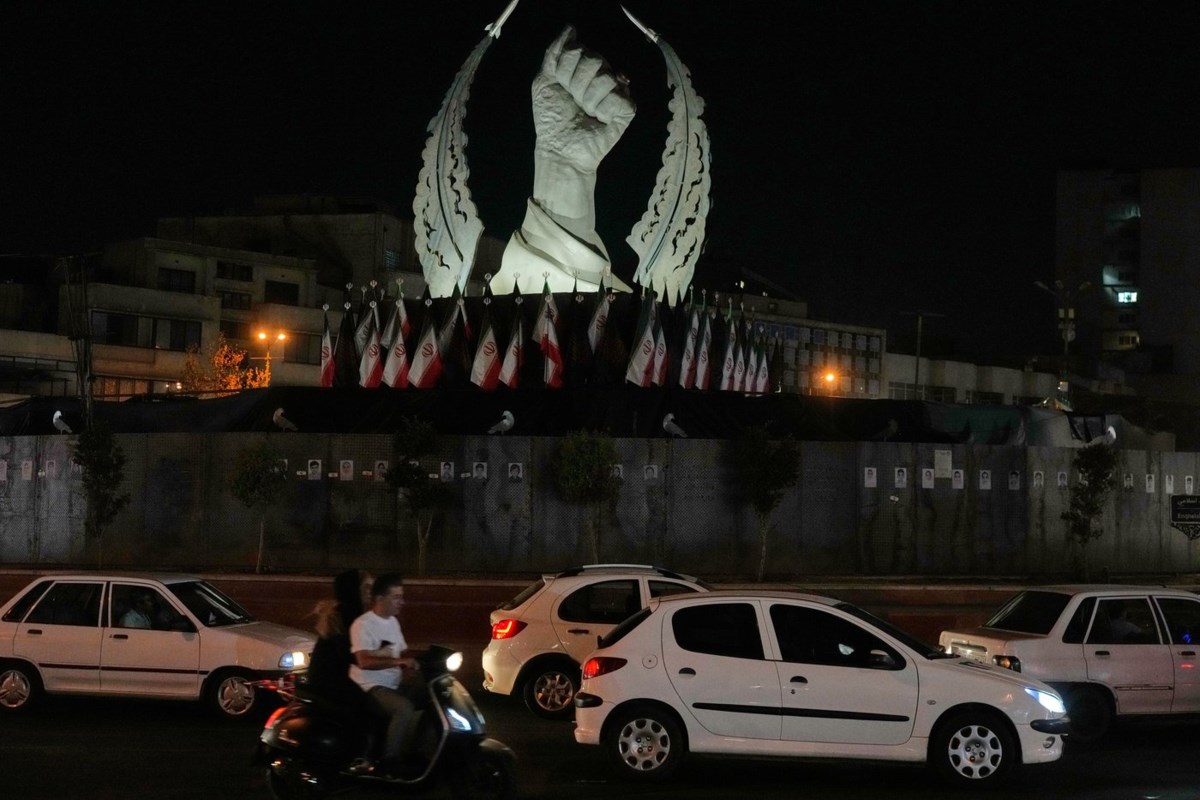
The U.S. military completed its 10th straight night of airstrikes against Iran on Wednesday, targeting military command centers, missile launch sites, drone facilities, and air defense systems in an effort to reopen the Strait of Hormuz, according to KDHN News. Even as the bombs fell, a British military report confirmed that another commercial tanker was attacked in the strait — a sign that Iran's ability to threaten shipping remains far from broken.
The escalating conflict follows the death of another American service member and Iranian missile strikes on U.S. allies Kuwait, Jordan, and Bahrain, according to Joplin Globe. Oil prices have climbed higher with each passing day, and the pressure is mounting on American voters just ahead of midterm elections.
Ten Nights of Strikes and Iran Still Fighting Back
U.S. Central Command said the latest strikes are designed to further degrade Iranian military power used to attack commercial ships, according to Airdrie City View. The targets included command centers that direct Iran's naval operations in the strait. Despite 10 nights of bombing, Iran continues to strike back — hitting tankers and launching missiles at American allies across the Gulf region.
The death of another U.S. service member added urgency to the campaign, according to Richmond News. American officials have not released the total number of service members killed since the airstrikes began. Each new casualty raises the political stakes for the administration as it tries to force the strait back open.
Another Tanker Hit as Hormuz Stays Closed
British military officials reported the latest tanker attack in the Strait of Hormuz even as U.S. strikes were underway, according to Union Bulletin. The strait carries roughly 20% of the world's oil supply. Iran's ability to keep hitting commercial ships — despite 10 days of U.S. bombardment — shows how difficult it is to fully shut down Iran's maritime attack network.
Iran has used small boats, drones, and missiles to target tankers in the strait. These weapons are cheap, easy to hide, and hard to destroy from the air. Each new tanker attack sends a message: Iran is not backing down, according to BDT Online.
Oil Prices Climb as Global Markets Feel the Squeeze
The sustained closure of the Strait of Hormuz has driven oil prices sharply higher, according to Idaho State Journal. The strait is the world's most important oil chokepoint. When it shuts down, global energy markets feel it fast. Analysts warn that prices could climb further if the conflict stretches into a third week with no sign of a deal.
Higher oil prices feed directly into gas prices at the pump — a problem for American families and a political headache for the White House, according to Joplin Globe. With midterm elections approaching, the administration faces pressure to either end the conflict quickly or show clear progress toward reopening the strait.
Iran Strikes U.S. Allies as the Conflict Spreads
Iran escalated beyond the strait this week, launching attacks on Kuwait, Jordan, and Bahrain — all close U.S. allies in the Gulf, according to Airdrie City View. The strikes mark a significant widening of the conflict. Iran appears to be sending a message that it can hit American partners across the region, not just commercial ships passing through the Hormuz chokepoint.
U.S. forces are now fighting on multiple fronts — defending allies, protecting shipping lanes, and trying to destroy Iran's military from the air, according to KDHN News. Military officials have not said how long the airstrikes will continue or what conditions Iran would need to meet to stop them.
Sentiment
NeutralNEGATIVENEUTRALPOSITIVE
Publishers
7
Articles
7
Reach
7
A
AnonymousAuthor


