Tupac Murder Trial Update
Jurors Hear Recorded Police Interview Detailing Duane Davis' Role in Tupac Shakur's 1996 Murder
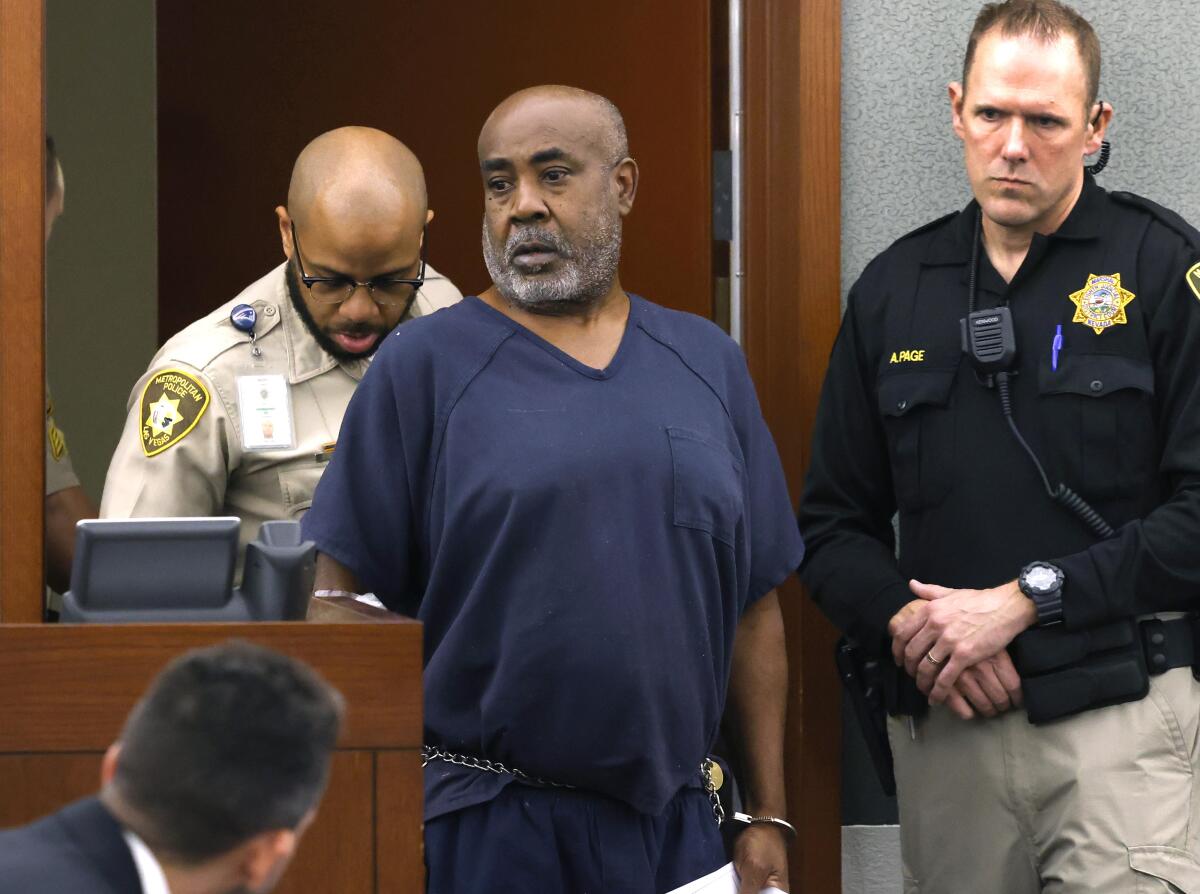
Duane Davis, accused of orchestrating the 1996 murder of rapper Tupac Shakur, has maintained a consistent account of the shooting for over 15 years CNN. Jurors in his trial recently heard a 2008 recorded police interview where Davis allegedly described his role in the fatal drive-by shooting in Las Vegas, detailing how he passed a gun to another suspect in the back seat of Shakur's car.
The recorded interview was made under a proffer agreement related to drug charges, but prosecutors argue that Davis later forfeited protection from that deal by publishing his memoir "Compton Street Legend" and publicly discussing the story Local News 8. The judge allowed the police recording to be played to the jury despite Davis' initial claims that he had never told anyone the detailed account before.
Davis Describes the Shooting Night in Court Recording
In the 2008 police interview played to jurors, Davis allegedly walked officers through the events of Tupac's death CNN. He claimed he handed a gun to Deandre Smith, who sat in the back seat of Shakur's vehicle during the drive-by shooting in Las Vegas on September 7, 1996.
Davis also stated that Marion "Suge" Knight, the Death Row Records executive riding in the car, was struck by gunfire Local News 8. According to Davis, he believed Knight had been fatally shot in the head during the attack.
Prosecutors Challenge Davis' Proffer Agreement Protection
The 2008 interview with police occurred as part of a proffer agreement, a deal where suspects provide information in exchange for limited immunity KRDO. However, prosecutors claim that Davis waived this protection when he published his memoir and spoke openly about the shooting.
The judge ruled that the recorded interview could be presented as evidence to the jury Local 3 News. This decision allows jurors to hear Davis' detailed account directly, even though he initially claimed the story had never been shared with anyone before the police interview.
A Consistent Account Across Two Decades
Davis' story has remained largely consistent from the 2008 police recording through his later memoir KWWL. Both accounts describe similar details about his involvement in the shooting and the roles played by other suspects present that night.
The trial will likely focus on whether Davis orchestrated the murder as prosecutors allege KESQ. Jurors must weigh the evidence, including his own recorded statements and written accounts spanning over a decade.
The 27-Year-Old Case Reaches Trial
Tupac Shakur was shot and killed in a drive-by shooting in Las Vegas in 1996, but the case remained unsolved for nearly three decades KTVZ. Davis' arrest and trial represent a significant development in one of hip-hop's most infamous cold cases.
Sentiment
NeutralPublishers
7
Articles
7
Reach
7


