Troops rarely fight crime
National Guard deployments in Washington rarely engage in active crime-fighting efforts
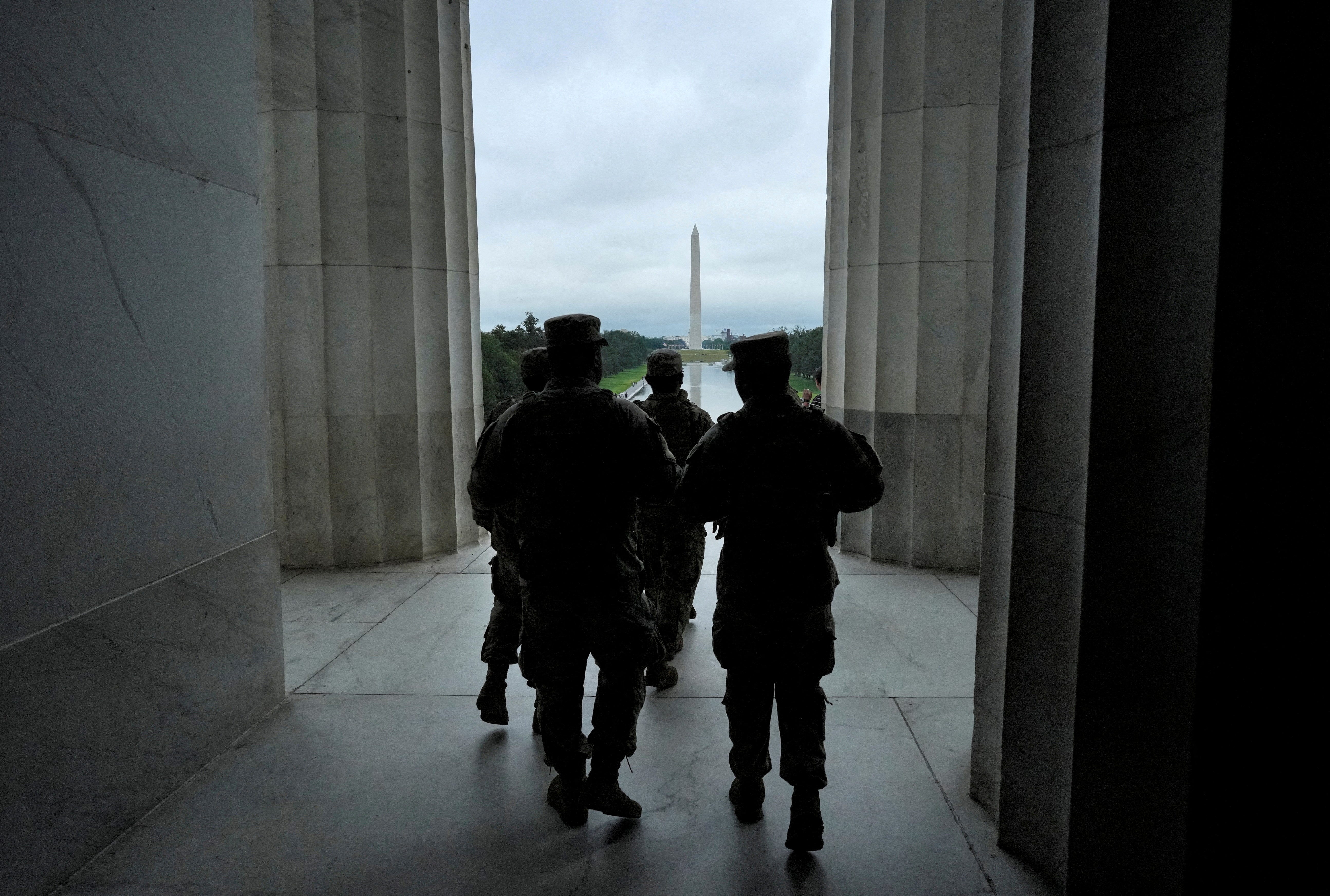
Trump deployed thousands of National Guard troops to Washington last summer as a centerpiece of his crime-fighting agenda, particularly targeting cities run by Democrats. Reuters found that these soldiers seldom actually stop crime. The deployment was framed as a no-holds-barred effort, but the reality on the streets tells a different story about what National Guard presence actually achieves in urban crime prevention.
Troops Deployed With Limited Crime-Fighting Authority
National Guard members deployed to Washington faced significant restrictions on their actual law enforcement powers. Unlike police officers, soldiers cannot make arrests or directly intervene in criminal activity. Reuters investigation revealed the troops spent much of their time on logistics and support tasks rather than street-level crime prevention. Their role was largely ceremonial and deterrent-based, not operational.
Arrest Numbers Tell the Real Story
Crime data from the deployment period showed minimal correlation between troop presence and actual arrests. Reuters found that local police departments, not National Guard members, continued to handle the vast majority of criminal investigations and arrests. The soldiers' presence did not translate into measurable increases in crime prevention. In fact, some districts saw crime continue at similar rates despite the visible military presence.
Political Messaging Outweighed Practical Results
The deployment served primarily as a visual and political statement rather than an effective crime-fighting tool. Reuters reported that the administration promoted the National Guard presence heavily as evidence of tough action. Yet the actual impact on street crime remained negligible. The strategy prioritized appearance and rhetoric over measurable public safety improvements in Democratic-led cities.
Questions Linger About Military Role in Law Enforcement
The deployment raises broader questions about using military forces for domestic law enforcement. National Guard troops lack the training and legal authority that police possess. Reuters investigation highlights the limitations of relying on soldiers to solve urban crime problems. Cities continue to struggle with crime prevention strategies that actually work—community policing, detective work, and sustained engagement with residents.
Sentiment
NeutralPublishers
8
Articles
8
Reach
8


