Ancient Laughter Connection
Researchers Find Human and Great Ape Laughter Share Rhythmic Patterns, Suggesting Ancient Origins for Speech
Anonymous
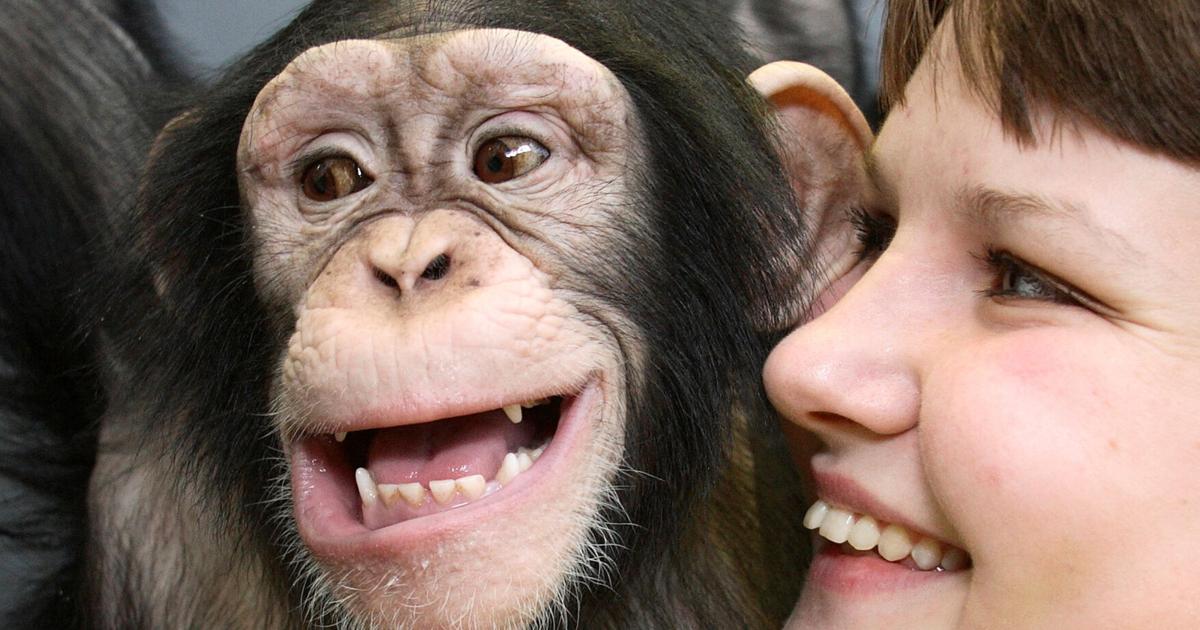
Human laughter and the laughter of great apes share a striking common trait: a regular, rhythmic pattern with evenly spaced intervals between sounds, according to researchers at the University of Warwick in England Post-Star. The finding suggests this rhythmic structure may date back to the last common ancestor of humans and apes, a creature thought to have lived roughly 15 million years ago in East or Central Africa Channel 3000.
But human laughter is not identical to ape laughter. Humans laugh faster, with more variation, and are far more sensitive to social context than chimpanzees, bonobos, gorillas, or orangutans Beatrice Daily Sun. The research could shed light on how human speech and language first evolved.
Shared Rhythm Traced Back 15 Million Years
Researchers compared recordings of laughter across five species: humans, chimpanzees, bonobos, gorillas, and orangutans. All five showed the same core pattern — a steady, clock-like rhythm between each laugh sound Fredericksburg.com. Scientists say this shared structure points to a common biological origin, inherited from an ancient ancestor long before modern humans appeared The Eagle.
This ancestor is believed to have lived about 15 million years ago in East or Central Africa Helena Independent Record. The fact that all five species still share this rhythm today suggests it was not a random accident. Instead, it was likely a stable feature passed down across millions of years of evolution.
How Human Laughter Stands Apart From Apes
While the basic rhythm is shared, humans have added something new. Human laughter is faster and more variable than ape laughter Kenosha News. More importantly, humans can change the timing and structure of their laughter depending on the social situation they are in.
Great apes show little sign of this flexibility. There is almost no evidence that chimpanzees or gorillas shift how they laugh based on social context the way humans do Dothan Eagle. This ability to adjust laughter — to signal emotion, sarcasm, or warmth — appears to be a uniquely human skill.
What Laughter Tells Us About the Origins of Language
The study goes beyond laughter itself. Researchers say the findings could help explain how human speech evolved Madison.com. Laughter is one of the most basic vocal sounds humans make. Understanding its deep roots may reveal how our ancestors first began shaping sounds for social communication.
The ability to control vocal rhythm — the timing of sounds — is a key building block of language. If humans inherited a rhythmic base from their ape ancestors and then expanded on it, that path could map how speech gradually developed Rapid City Journal. The research offers a rare window into one of science's biggest open questions: where language came from.
Intensity and Social Awareness Set Humans Apart
Beyond timing, human laughter is also more intense than ape laughter Greensboro.com. Humans can laugh loudly to signal joy, softly to show polite agreement, or with sharp bursts to express surprise. This range of expression is far wider than anything observed in apes.
The research highlights a key divide: apes have the rhythm, but humans have the control. That control — knowing when to laugh, how long, and how loud — is tied to complex social awareness NP Telegraph. It is another marker of the cognitive gap that separates humans from even their closest relatives.
Sentiment
NeutralNEGATIVENEUTRALPOSITIVE
Publishers
17
Articles
16
Reach
17
A
AnonymousAuthor


