El origen del habla
Las hogueras nocturnas favorecieron la narración y el origen del lenguaje humano
Anonymous
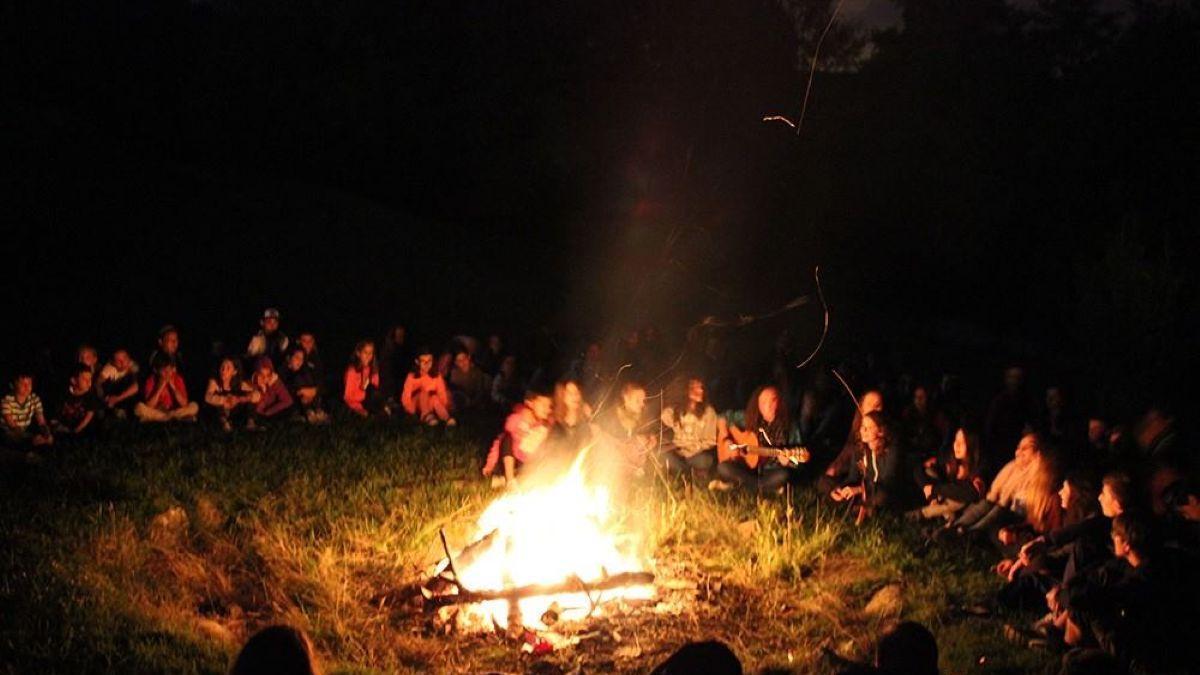
Campfires may have sparked human language itself. A new hypothesis suggests that nighttime gatherings around fires created the perfect conditions for storytelling, social bonding, and the shift from hand gestures to spoken words Informacion. Researchers propose that the warmth and light of flames brought early humans together in ways that fundamentally changed how they communicated.
How Firelight Changed Human Communication
Around the fire, early humans faced a new challenge: darkness hid their hand signals and body movements. El Correo Gallego reports that this lighting problem forced people to rely more on vocal sounds instead of gestures. Over time, these sounds became organized into language. The fire's glow literally illuminated a path toward speech.
Nighttime gatherings also created the right moment for stories. With the day's work finished and the group settled, storytelling became entertainment and education. El Periodico explains that these narratives helped people share knowledge about survival, danger, and community. Spoken stories were far more powerful than isolated grunts or gestures.
Fire Built Tighter Social Bonds
Gathering around a fire required cooperation and trust. Levante-emv notes that early humans had to sit close, take turns speaking, and listen to each other. This intimate setting strengthened group identity. People who bonded through shared stories and warmth were more likely to work together and survive together.
The fireplace became a stage for social hierarchy and leadership. El Dia reports that those who told the best stories gained status and influence. This reward system encouraged people to improve their speaking skills. Better speakers passed more knowledge to younger members, speeding up language development across generations.
Why Fire Solved the Gesture Problem
Early humans likely relied on pointing and hand movements to communicate. But fire changed everything. La Opinion Coruna explains that flames cast shadows and reduced visibility of hands. Humans needed to adapt. They turned to sounds, facial expressions, and tone to convey meaning in the flickering light.
This shift took thousands of years, but fire accelerated it dramatically. El Periodico de Extremadura describes how the warmth of flames made nighttime gatherings routine. Routine gatherings meant constant practice speaking. Constant practice meant faster evolution of vocal communication into genuine language.
A New Framework for Understanding Language Origins
Scientists have long debated how humans developed language. El Periodico de Aragon notes that most theories focus on brain size or tool use. This fire hypothesis offers something different: an environmental trigger combined with social behavior. The heat, light, and social pressure of campfires created a laboratory for language evolution.
The theory bridges multiple fields—archaeology, anthropology, and linguistics. La Opinion de Malaga reports that it explains why language emerged relatively quickly once fire became common around 400,000 years ago. Fires didn't cause language, but they provided the stage where communication could transform from simple signals into complex speech.
Sentiment
NeutralNEGATIVENEUTRALPOSITIVE
Publishers
13
Articles
0
Reach
13
A
AnonymousAuthor


