Android Malware Alert
Malware Campaign Impersonates Airlines, Government Brands to Empty Bank Accounts via Android Apps
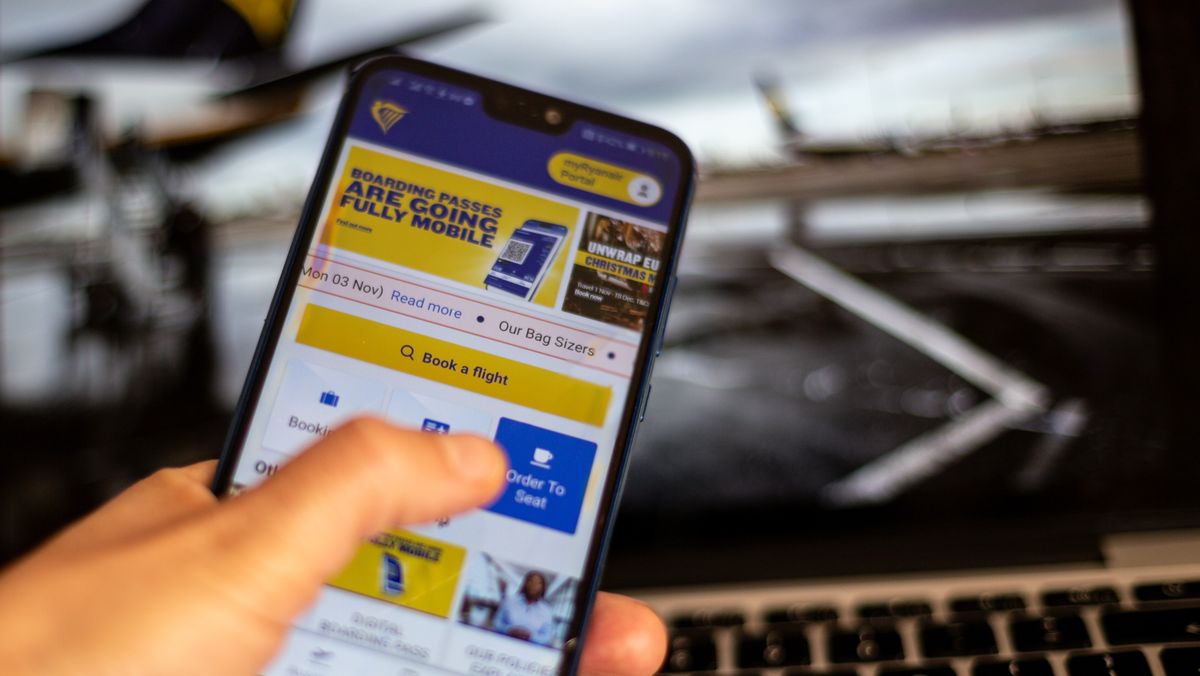
A sophisticated malware campaign is impersonating over 65 major brands — including Ryanair, Emirates, and Qatar Airways — to steal personal data and drain victims' bank accounts, according to Plymouth Herald. The scam tricks people into installing fake Android apps that can read text messages, activate the camera, and bypass two-factor authentication.
NordVPN's threat intelligence team discovered the campaign, which has been active since August 2025. The attackers constantly rotate their fake websites and infrastructure to avoid detection, making the scam hard to shut down, Devon Live reports.
How Fake Airline Apps Hook Unsuspecting Victims
Victims receive an email with an urgent, believable story. It might claim there is a job opening at an airline, a pending tax refund, or an ID renewal notice. The message looks real because the fake website closely copies the design of trusted brands like Ryanair or Qatar Airways, according to Examiner Live.
The email directs victims to a fake site that tells them to download an Android app. The app looks legitimate. Once installed, it runs in the background — even after the phone restarts. The victim rarely notices anything is wrong until money goes missing.
Malware Silently Disables Your Security Protections
The malware is designed to defeat the most common security tool people rely on: two-factor authentication. Two-factor authentication sends a one-time code to your phone to confirm your identity. The fake app intercepts those codes by reading your text messages before you ever see them, Devon Live reports.
The app also activates the phone's camera without the user's knowledge. This allows thieves to capture additional personal information. With SMS codes and camera access, attackers can log into bank accounts, approve transactions, and empty funds — all while appearing to be the real account holder.
65 Brands Targeted Across Airlines, Tax, and Government
The campaign does not stop at airlines. NordVPN's research team found that over 65 brands are being impersonated. These include tax authorities, civil registries, and social security systems, according to Plymouth Herald. That means a fake email about a tax refund or pension check could be just as dangerous as one about a flight booking.
The attackers swap out fake websites regularly. This rotating infrastructure makes it harder for cybersecurity teams and authorities to block the scam. By the time one fake site is taken down, a new one is already running, Examiner Live reports.
How to Protect Yourself From This Scam
The key red flag is any email or message asking you to download an app from outside the official Google Play Store. Legitimate airlines and government agencies do not send unsolicited emails asking you to install software. If an email feels urgent and unexpected, treat it with suspicion, according to Bristol Post.
Security experts advise going directly to official websites by typing the address into your browser — never clicking links in emails. Check your phone for apps you do not recognise. If you think you have installed a malicious app, remove it immediately and contact your bank, Daily Post reports.
Sentiment
NeutralPublishers
5
Articles
4
Reach
5