Melbourne-Seoul Flights Return
Korean Air Reinstates Seasonal Melbourne-Seoul Flights From December 2026, Boosting Asia Connectivity
Key Points
Flight times and schedule: Incheon to Melbourne operates with a departure from Incheon at 8:00 a.m. and a Melbourne arrival around 8:30 p.m., with the return leaving Melbourne at 10:00 p.m. and arriving in Incheon about 7:35 a.m. the next day; the service runs three times weekly on Wednesdays, Fridays and Sundays during 18 December 2026 to 14 March 2027.
Merger synergy and network strategy: The Melbourne–Seoul route is being launched in the context of Korean Air’s merger with Asiana Airlines, with the carrier planning to maximize synergies and expand route offerings as part of a broader network strategy.
Local economic impact and stance from Melbourne Airport: Melbourne Airport’s leadership welcomed the return, with Jim Parashos describing it as a "great outcome" for Victorian travellers and for tourism and trade ties with South Korea, highlighting the route’s potential benefits for exporters and the state economy.
Part of a broader Oceania expansion: The Melbourne service is positioned to complement Korean Air’s existing year-round Sydney and Brisbane services, reinforcing the airline’s strategy to grow its presence in the Oceania region post-merger.
Gateway connectivity via Incheon hub: Incheon provides onward access to more than 20 Chinese cities, extensive Japan services, and European/North American destinations, making the Melbourne–Seoul route a conduit to broader Asia-Pacific travel and trade.
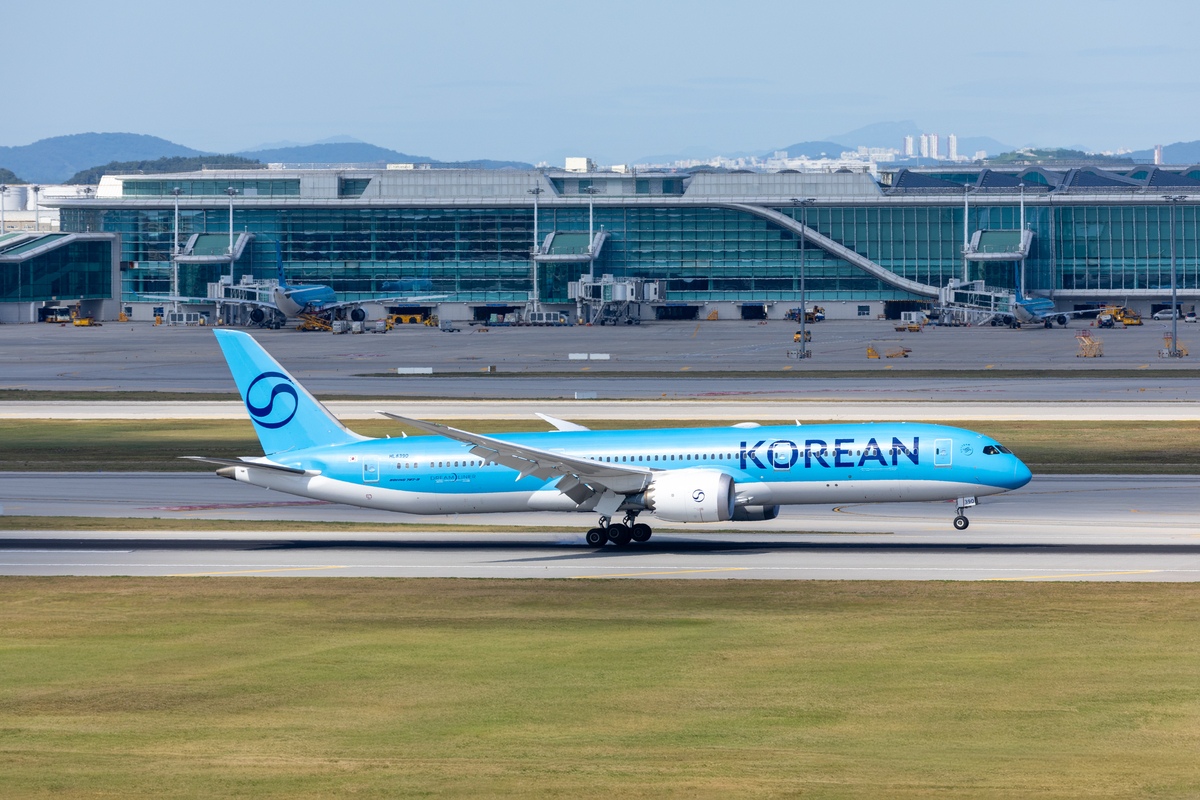
Korean Air will fly direct between Melbourne and Seoul for the first time in 13 years, launching a seasonal route from 18 December 2026, according to Karryon. The service runs three times a week until 14 March 2027, using Boeing 787-9 Dreamliner aircraft.
The move follows Korean Air's merger with Asiana Airlines, which previously held the Melbourne route. Travel Weekly Australia reported that Korean Air is effectively taking over where Asiana left off, with the new service timed to capture peak summer travel demand.
Flights Run Three Times Weekly on a Tight Schedule
Flights depart Incheon at 8:00 a.m. and land in Melbourne around 8:30 p.m. The return leg leaves Melbourne at 10:00 p.m. and arrives in Seoul at roughly 7:35 a.m. the next day. Services run on Wednesdays, Fridays and Sundays throughout the seasonal window, according to Flight Hacks.
The Boeing 787-9 Dreamliner is a modern wide-body jet known for fuel efficiency and passenger comfort on long-haul routes. Korean Air's choice of aircraft signals the carrier is investing seriously in the Melbourne market, not just testing the waters.
Asiana Merger Drives Route Expansion Into Oceania
Korean Air's merger with Asiana Airlines closed after years of regulatory review. Seoul Economic Daily reported the Melbourne launch is one of the first visible results of that deal, with the combined carrier now able to absorb Asiana's former routes and boost its own network.
Melbourne joins Korean Air's existing year-round services to Sydney and Brisbane. The airline is building a broader Oceania strategy, and the new route fills a clear gap in its southern hemisphere network, according to Travel and Tour World.
Melbourne Airport Calls It a Win for Trade and Tourism
Melbourne Airport's Jim Parashos described the return as a "great outcome" for Victorian travellers. He pointed to benefits for exporters, tourism operators and business travellers who previously had no direct link to Seoul. The route had been absent since 2013, leaving a 13-year gap in direct connectivity.
Victoria's trade and tourism sectors stand to gain the most. A direct Seoul link means faster access to one of Asia's busiest economies. Korean tourists are also high-spending visitors, making the route valuable beyond just seat counts, Travel Weekly Australia noted.
Incheon Hub Opens Doors to 20-Plus Chinese Cities and Beyond
Seoul's Incheon Airport is one of Asia's biggest transit hubs. From there, passengers can connect to more than 20 Chinese cities, extensive Japan services, and destinations across Europe and North America, according to Travel and Tour World. For Melbourne travellers, the route acts as a gateway to much of the Asia-Pacific region.
That connectivity is a key part of Korean Air's pitch to Australian travellers. Rather than just selling a Melbourne–Seoul ticket, the airline is selling access to its full global network through Incheon — a hub that handled over 68 million passengers in 2024.
Sentiment
Mostly PositivePublishers
13
Articles
7
Reach
20


