War shrine controversy
Exploring Japan's Yasukuni Shrine: A Controversial Memorial to War Dead and Criminals
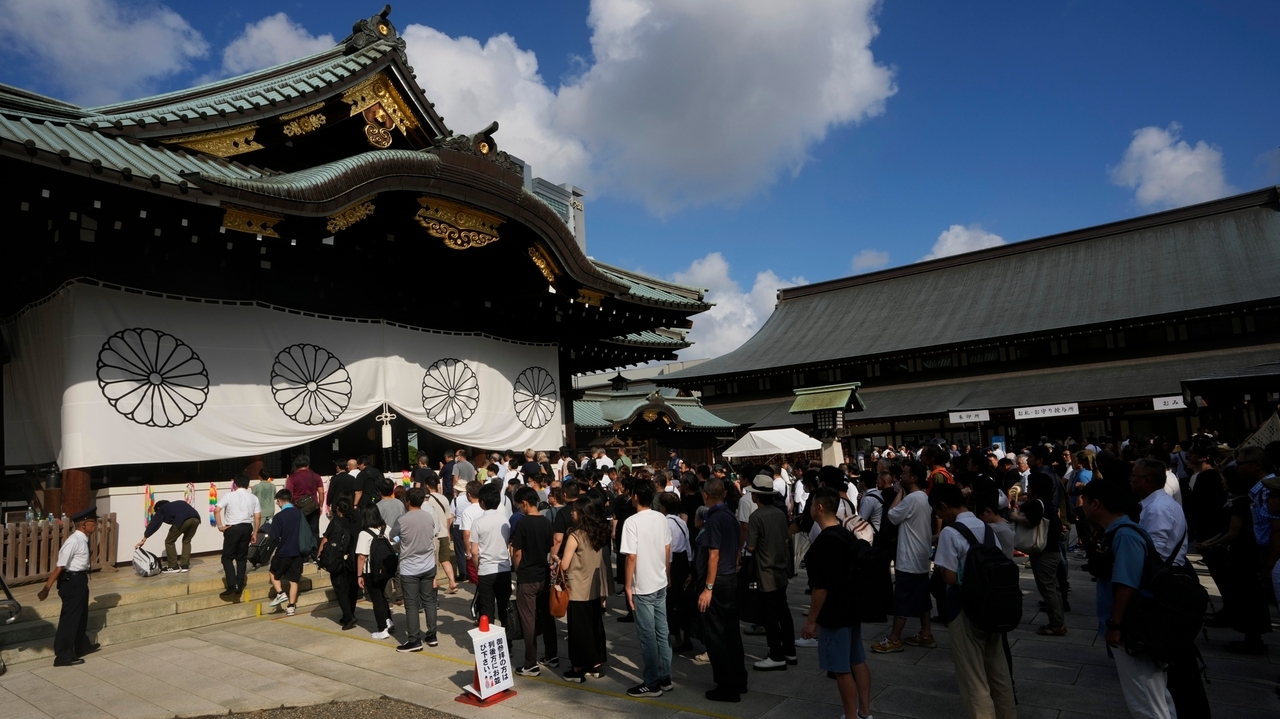
Yasukuni Shrine, a Shinto memorial in central Tokyo, honors more than 2.4 million people who died serving Japan — but it remains one of the country's most divisive sites Winnipeg Free Press. Founded by Emperor Meiji in 1874, the shrine has drawn fierce criticism from China and South Korea, who see it as a symbol of Japan's unrepentant militarism WRAL.
The core of the controversy: among those enshrined are 14 Class-A war criminals, convicted of planning and waging World War II Newsday. Every time a Japanese official visits, it triggers a diplomatic crisis across Asia.
Emperor Meiji Founded the Shrine in 1874
Yasukuni was built to honor those who died fighting for the Japanese emperor Jonesboro Sun. Its name means "peaceful country" in Japanese. The shrine follows Shinto beliefs, which hold that the spirits of the dead — called kami — live on and can be worshipped. Over 150 years, more than 2.4 million kami have been enshrined there.
The shrine served a political purpose from the start. By honoring the war dead under the emperor's name, the Japanese state tied loyalty to the country directly to Shinto religion Idaho State Journal. Soldiers were told their spirits would be enshrined at Yasukuni. This gave dying in battle a sacred meaning.
MacArthur Cut the State-Religion Link After WWII
Japan's defeat in World War II changed everything for the shrine. U.S. General Douglas MacArthur abolished State Shinto after Japan surrendered Dayton Daily News. The government could no longer fund shrines or teach Shinto in public schools. Yasukuni went from a state institution to a private religious organization.
That split matters today. Because Yasukuni is now a private shrine, the Japanese government has no legal power over who gets enshrined there Voice of Alexandria. Shrine priests make those decisions alone. That is why Japan's leaders cannot simply remove the 14 war criminals, even if they wanted to.
14 War Criminals Enshrined, Sparking Asian Outrage
The 14 Class-A war criminals were added to the shrine in 1978 Herald Bulletin. Class-A was the highest charge at the Tokyo war crimes trials — it meant planning and starting the war. Among those enshrined is Hideki Tojo, Japan's wartime prime minister, who was executed in 1948.
China and South Korea have protested every high-profile visit to the shrine since WAND TV. For these countries, which suffered under Japanese occupation and wartime atrocities, the shrine does not separate soldiers from the men who gave the orders. Critics say honoring all of them together shows Japan has never truly apologized for its aggression.
Official Visits Still Ignite Diplomatic Firestorms Today
Japanese prime ministers have visited Yasukuni on and off for decades. Each visit sends shockwaves through Asia Joplin Globe. China and South Korea often recall ambassadors or cancel diplomatic meetings in response. The shrine sits at the center of a debate Japan has never fully resolved: how to honor war dead without glorifying the war itself.
The shrine also runs a museum called the Yushukan, which critics say presents the war in a way that whitewashes Japanese actions MDJ Online. Exhibits portray Japan as a liberator of Asia rather than an aggressor. That framing adds another layer to the controversy and keeps the wound open for Japan's neighbors.
Sentiment
NeutralPublishers
22
Articles
22
Reach
22


