Controller Averts Mid-Air Confusion
Phoenix Air Traffic Controller Averts Potential Collision Between Two American Airlines Planes
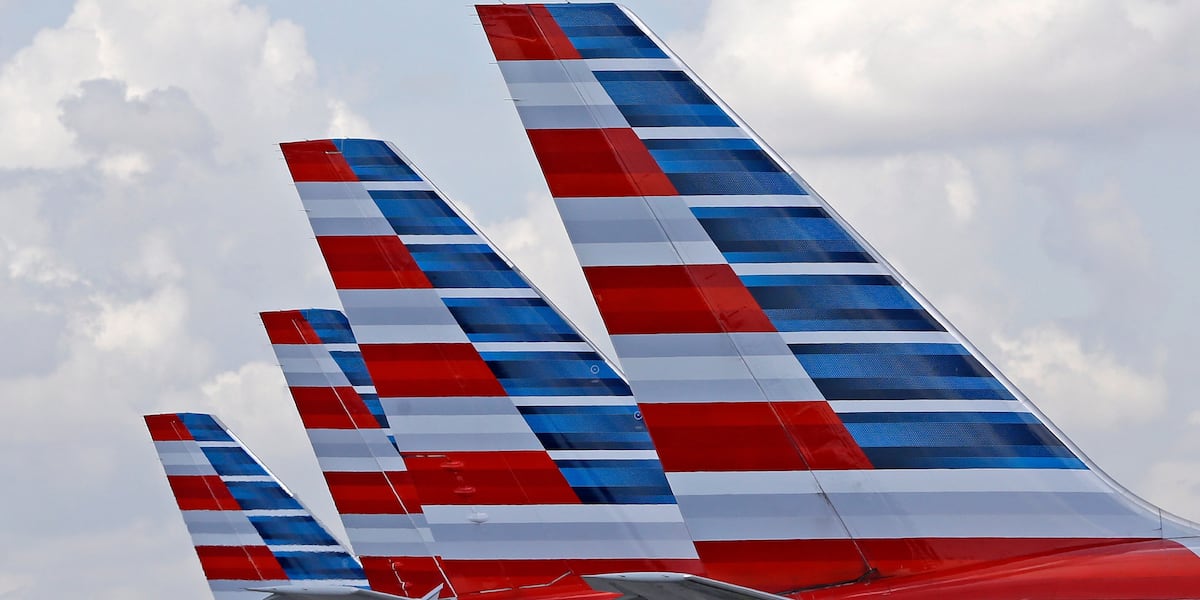
A Phoenix air traffic controller stopped what could have been a deadly collision early Friday when two American Airlines planes were found flying under the exact same flight number, according to WITN. The incident happened shortly after midnight. Both aircraft were heading toward each other, and if pilots assumed they were at the same altitude, the result could have been catastrophic.
The Federal Aviation Administration and American Airlines have both opened investigations into how two active flights ended up sharing one flight number, AZFamily reported. A quick call from the Phoenix controller kept the planes safely apart before any danger could unfold.
How Two Planes Ended Up With One Flight Number
Aviation safety expert Steve Arroyo points to a breakdown in the airline's dispatch center, according to WBBJTV. He believes a dispatcher failed to catch that two flights were scheduled under the same number at the same time. Multiple people — both dispatchers and pilots — approved the flights without anyone spotting the overlap.
Each flight should carry a unique number. That number tells controllers and pilots where a plane is going and how to track it. When two planes share one number, the system gets confused — and so do the people flying them, WNEM reported.
Phoenix Controller's Fast Action Prevented a Midair Disaster
The Phoenix controller spotted the problem and stepped in fast. By intervening early, the controller made sure both planes stayed a safe distance apart, KALB reported. Pilots rely heavily on flight numbers to know who is who in the sky. With two planes answering to the same call, any instruction from the ground could have sent the wrong plane in the wrong direction.
If both crews had assumed they were at the same cruising altitude as they flew toward each other, the planes could have collided. The controller's fast thinking broke the confusion before either crew made a dangerous move, according to KGNS.
FAA and American Airlines Now Investigating the Mix-Up
Both the FAA and American Airlines confirmed they are looking into what went wrong, WAFB reported. The FAA oversees air safety rules across the country. When a serious near-miss like this happens, the agency opens a formal review to find the cause and prevent it from happening again.
American Airlines has not said publicly what led to the error or whether any employees face discipline. The airline also has not confirmed which routes the two flights were operating, WALB reported.
Experts Warn Human Error Remains a Persistent Safety Risk
Arroyo told reporters that situations like this show how multiple layers of human approval can still fail, according to WNDU. Both the dispatcher and the pilots signed off on the flights. Yet no one caught that the same number was already in use. The error passed through several checkpoints undetected.
Aviation safety systems are built with redundancy — meaning backup checks — to catch exactly this kind of mistake. But those systems depend on people paying close attention at every step, WLFI reported. Friday's close call is a reminder that even routine approvals carry serious consequences at 30,000 feet.
Sentiment
NeutralPublishers
23
Articles
24
Reach
24


