Iran Conflict Escalates
US Airstrikes Kill 14, Injure 78 in Iran After Ceasefire Collapse
Key Points
Three victims were killed in a strike near the southwestern city of Ahvaz, according to Iran's state media and officials.
An Iranian official said US forces targeted five different provinces in Iran on July 8 and 9, 2026.
Forty-seven of the injured remained hospitalized, with the remainder discharged after receiving medical care.
President Trump declared the ceasefire with Iran 'over' on July 8, prompting immediate US airstrikes and a rapid escalation of hostilities.
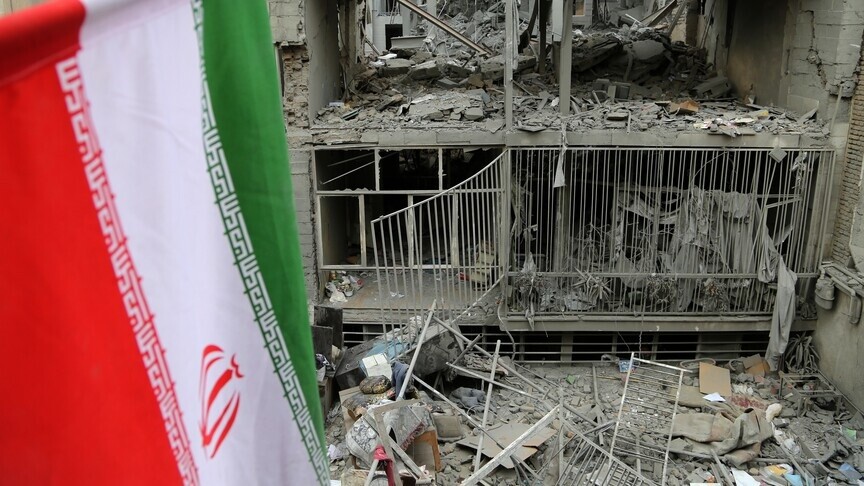
Two days of US airstrikes on Iran have killed at least 14 people and wounded 78 others, according to Times of Israel. Iran's Health Ministry confirmed the toll on July 9, 2026, as fighting intensified following the collapse of a fragile ceasefire. Forty-seven of the wounded remained hospitalized, with the rest discharged after treatment.
President Trump declared the ceasefire with Iran 'over' on July 8, triggering immediate US airstrikes and a rapid escalation across the region. Iran fired back, targeting US military bases in Bahrain and Kuwait, raising fears of a wider Gulf war.
Strikes Hit Five Iranian Provinces in Two Days
US forces struck five different provinces across Iran on July 8 and 9, according to WTOP. Three of the 14 deaths occurred near the southwestern city of Ahvaz, Iran's state media reported. The strikes were widespread, reaching beyond military targets and affecting civilian areas.
Iran's Health Ministry released the casualty figures publicly. The numbers — 14 killed, 78 wounded — reflect only two days of strikes. Officials have not yet given a full breakdown of how many deaths occurred in each province.
Iran Fires Back at US Bases Across the Gulf
Iran launched retaliatory strikes against US military bases in Bahrain and Kuwait after the American airstrikes. Air defense systems intercepted some of the incoming missiles. No confirmed injuries at US bases were reported immediately after the attacks.
The exchange marks a sharp escalation from targeted strikes to direct attacks on US military facilities. This raises the risk of a broader conflict pulling in Gulf nations. Regional governments are now facing pressure to pick sides or protect their own bases from crossfire.
Strait of Hormuz Fears Push Oil Up, Crypto Down
Financial markets moved quickly on the news. The CoinDesk 20 Index dropped about 2.9% as investors moved away from riskier assets, according to Crypto Briefing. Oil prices rose as traders priced in potential disruptions to Gulf shipping lanes.
The Strait of Hormuz sits at the center of these fears. It is a narrow waterway through which roughly 20% of the world's oil supply passes each day. Any blockage or military escalation near it would send energy prices sharply higher across global markets.
Trump's Ceasefire Reversal Drove the Current Crisis
The current fighting started when Trump declared the ceasefire 'over' on July 8. US airstrikes began almost immediately after that announcement. The speed of the escalation caught many regional governments off guard.
Iran's response was fast and direct. Strikes on US bases in two Gulf countries show Tehran is willing to hit American forces, not just regional allies. Both sides are now in active conflict, with no diplomatic off-ramp currently visible.
Sentiment
Mostly NegativePublishers
38
Articles
59
Reach
97


