UK-Kenya Training Spat
UK Scraps Kenya Army Training Over License Delays, Impacting Local Economy
Anonymous
Key Points
1
Under Kenya's Defence Cooperation Agreement (DCA), large-scale BATUK exercises require specific regulatory licenses issued by Kenyan authorities; the UK says the current exercise will relocate because those licenses were not forthcoming.
2
Laikipia and nearby Nanyuki stand to lose expected economic benefits from BATUK activities; residents, traders, landlords and workers would have benefited from the exercise, and the base is a significant local economic driver.
3
The UK did not publicly name an alternative host country for the relocated training, nor confirm whether future BATUK activities in Kenya are at risk.
4
BATUK operations have faced increasing scrutiny from Kenyan civil society, environmental groups and local politicians over accountability, environmental concerns and unexploded ordnance.
5
A broader security climate is prompting pauses or travel advisories affecting BATUK activities, reflecting heightened security concerns in the region.
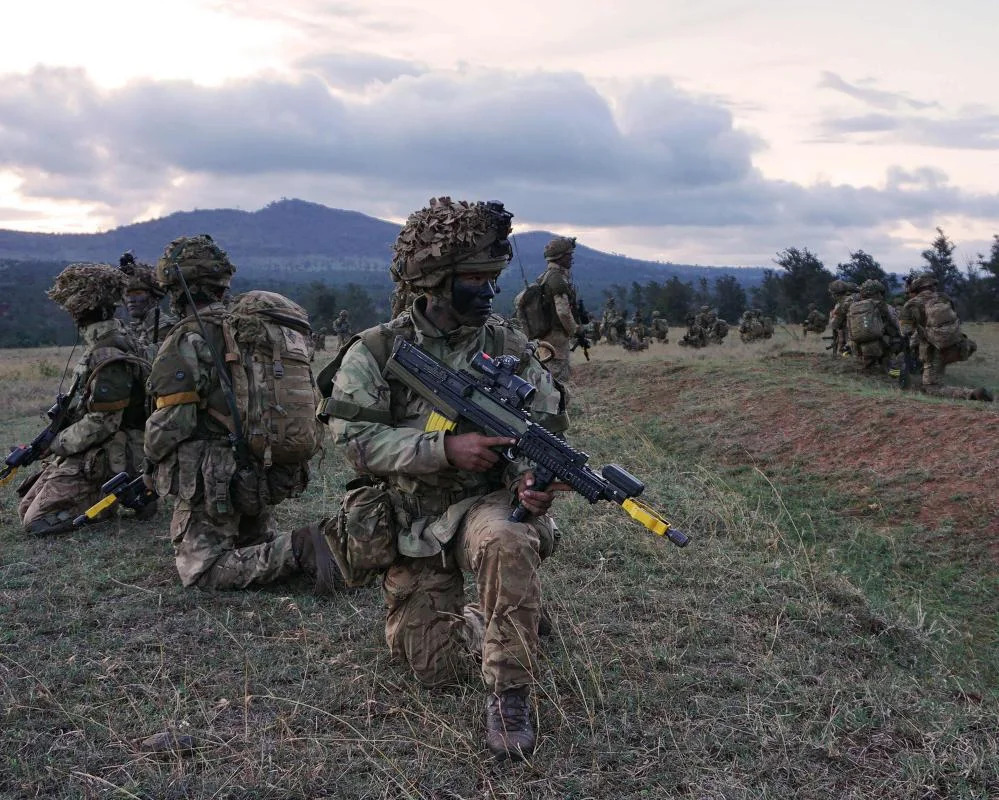
The UK Ministry of Defence has cancelled a planned British Army Training Unit Kenya (BATUK) exercise in Laikipia, after Kenyan authorities failed to issue the required licences in time, according to Citizen Digital. The six-week combat training will now move to an alternative location outside Kenya, though the UK has not named a new host country.
The cancellation lays bare growing friction in the long-standing UK-Kenya defence partnership. At its heart is a dispute over a bilateral Defence Cooperation Agreement — and specifically, which country holds the power to prosecute British soldiers for offences committed on Kenyan soil, Yahoo News reported.
Licence Deadlock Grounds a Major Training Exercise
Under Kenya's Defence Cooperation Agreement, large-scale BATUK exercises need specific regulatory licences from Kenyan authorities before they can go ahead. This time, those licences were not issued, and the UK decided to move the training rather than wait, Nyakundi Report reported. The Ministry of Defence said the decision to relocate was contingent on permission from the Government of Kenya.
The core sticking point is jurisdiction. Yahoo News reported that Kenya has refused to ratify a defence agreement because it centres on which cases Kenya will retain the right to prosecute. That unresolved legal question now threatens the operational future of BATUK's presence in the country.
Laikipia Communities Brace for Economic Fallout
The BATUK base in Nanyuki is a significant economic engine for the local area. Residents, traders, landlords, and workers had all been counting on income tied to the exercise. With the training gone, those expected benefits disappear, Streamline Feed reported.
The disruption hits a region that has come to depend on the British military's regular presence. Local businesses near the Laikipia base routinely benefit when hundreds of British troops are in the area for weeks at a time. The sudden cancellation leaves them with little time to adjust.
Civil Society and Politicians Raise Accountability Concerns
BATUK's operations have faced rising scrutiny inside Kenya. Civil society groups, environmental organisations, and local politicians have all raised concerns about accountability, unexploded ordnance left behind after exercises, and the environmental impact of military activity on Laikipia's land, Nyakundi Report noted.
Those concerns have built pressure on Kenyan authorities to push for stronger legal protections before granting further permissions. The licensing dispute may reflect that pressure reaching a tipping point — with Kenya using the licence process as leverage to secure better terms from the UK.
Broader Security Climate Adds to BATUK Uncertainty
The cancellation does not stand alone. Dawan Africa reported that the UK government has suspended all planned BATUK military training activities due to heightened regional security concerns. That broader pause goes beyond the licence dispute and could temporarily affect the entire programme.
The UK has not confirmed whether future BATUK exercises in Kenya are at risk or whether the relocated training marks a longer shift away from Laikipia. What is clear is that one of Britain's most important bilateral defence partnerships is under strain — and both sides have yet to say publicly how they plan to fix it.
Sentiment
Mostly NegativeNEGATIVENEUTRALPOSITIVE
Publishers
14
Articles
7
Reach
21
A
AnonymousAuthor


