Methadone System Reform
Patients Demand Complete Overhaul of America's Decades-Old Methadone Distribution System
Anonymous
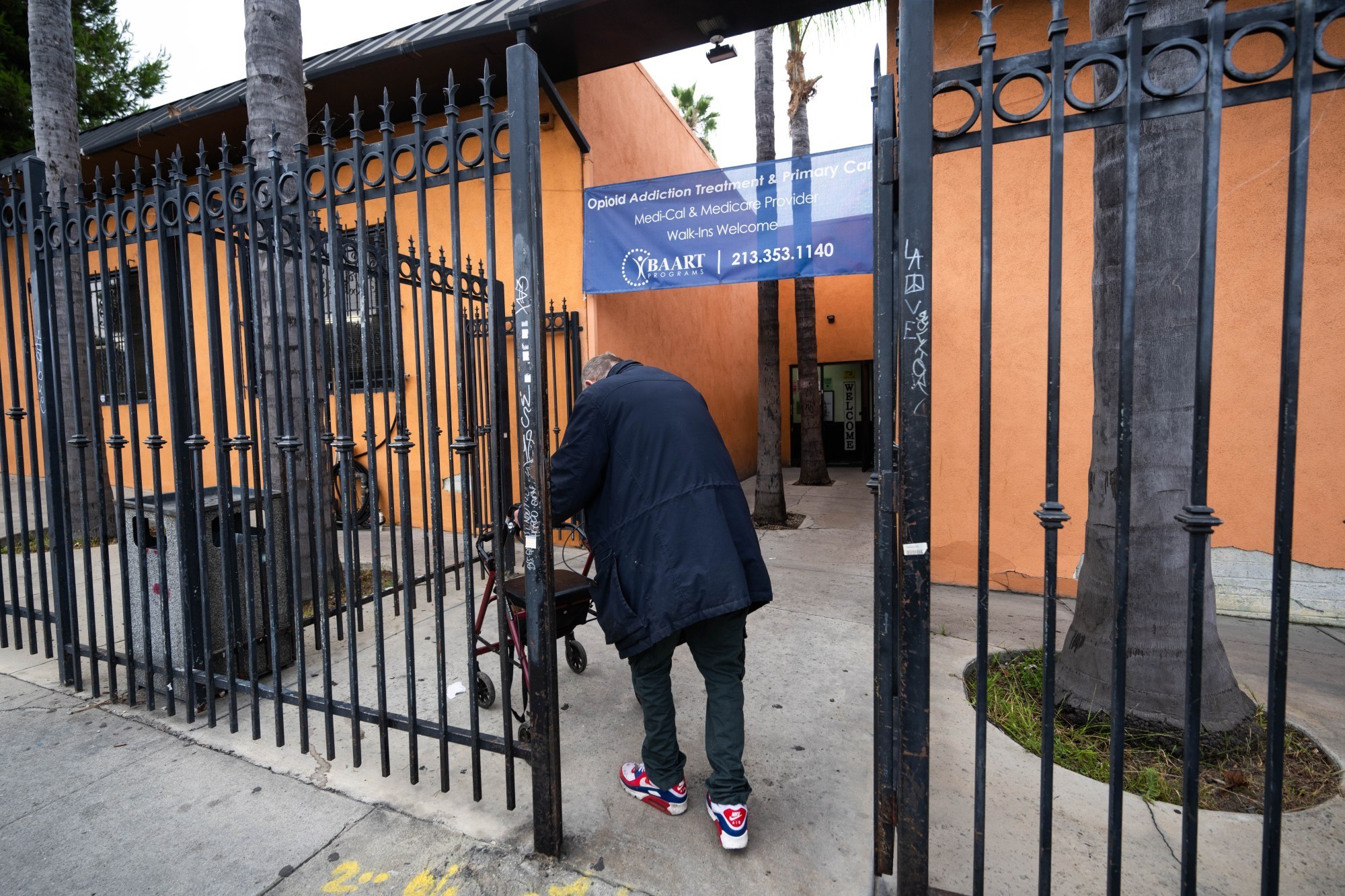
Drug users are demanding a complete overhaul of America's methadone system. The "Methadone Manifesto," backed by groups like the Urban Survivors Union, calls for dismantling decades of strict federal control over the medication. Greeley Tribune reported that patients say the current system treats them like criminals instead of people seeking treatment.
The manifesto highlights a painful reality: methadone patients must visit federally sanctioned clinics up to six days a week for directly observed dosing. Advocates say this constant surveillance, designed to prevent black market sales, strips patients of dignity and makes recovery harder, not easier.
Why the Current System Feels Like Punishment
Methadone is a Schedule II controlled drug—the same class as Oxycontin and cocaine. Federal law restricts it to licensed clinics only. Daily Camera explained that patients must show up for "observed daily dosing," meaning a staff member watches them swallow each pill or liquid dose.
This requirement exists to stop drug diversion—the illegal sale of methadone on the street. But patients say it feels humiliating and impractical. Many work full-time jobs or have childcare duties. Missing a single dose can trigger withdrawal symptoms within hours.
The COVID-19 Wake-Up Call That Never Passed
When the COVID-19 emergency began, fear swept through the methadone community. News Herald reported that patients worried they would be cut off from lifesaving treatment during lockdowns. Suddenly, regulators loosened rules slightly—allowing some take-home doses instead of daily clinic visits.
That temporary flexibility showed patients what was possible. But as the emergency ended, strict rules snapped back into place. Advocates now argue: if patients could safely take methadone at home during a pandemic, why not permanently?
What the Manifesto Demands
The Urban Survivors Union wants methadone treated like other medications—prescribed by doctors, filled at regular pharmacies, taken at home. Journal Advocate noted the manifesto isn't just criticism; it's a roadmap for total system change. Advocates argue patients, not federal bureaucrats, should control their own recovery.
They also want access to other medications like buprenorphine, which requires less frequent clinic visits. The core message: trust people in recovery. Stop treating addiction treatment like punishment. Orlando Sentinel reported that activists frame this as a civil rights issue, not just a healthcare debate.
Sentiment
NeutralNEGATIVENEUTRALPOSITIVE
Publishers
11
Articles
10
Reach
11
A
AnonymousAuthor


