Tommy John Surgery Pioneer
Tommy John, Pitcher Who Pioneered Elbow Surgery, Dies at 83
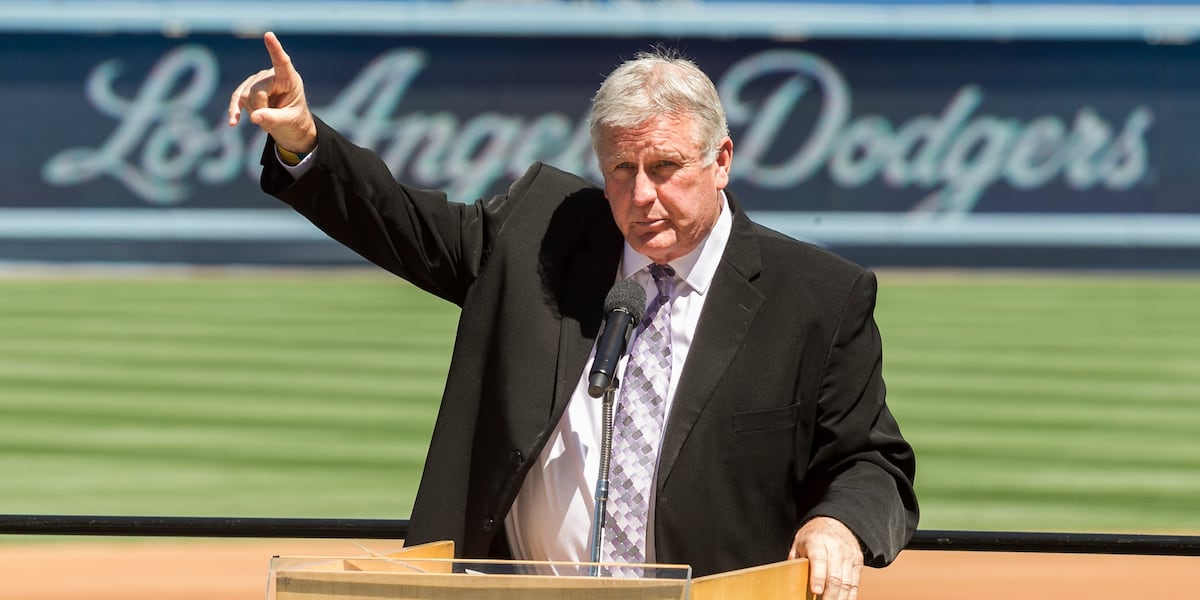
Tommy John, the first pitcher to successfully return to Major League Baseball after a revolutionary elbow surgery, has died at the age of 83, according to Cleveland 19 and multiple outlets. John's name became permanently attached to the procedure that saved his career — and later saved thousands of others.
Over a remarkable 26-year career spanning 1963 to 1989, John compiled a record of 288 wins and 231 losses with a 3.34 ERA. He was a four-time All-Star. His legacy stretches far beyond the numbers — the surgery bearing his name is now one of the most common procedures in all of sports medicine.
The Surgery That Saved His Career and Changed Baseball
In 1974, John tore the ulnar collateral ligament in his throwing elbow — an injury that would have ended most careers. Dr. Frank Jobe offered a bold fix: replace the damaged ligament with a tendon taken from John's own right forearm. Jobe put the odds of success at just 1 in 100, according to The Score.
The surgery worked. John missed the entire 1975 season recovering. Then he came back and pitched for 14 more years. What seemed like a long shot became a turning point in sports medicine. Today, hundreds of professional and amateur athletes undergo the same procedure every year.
A 26-Year Career Built on Grit and Longevity
John debuted in the majors in 1963. He pitched for six teams, including the Los Angeles Dodgers, New York Yankees, and California Angels. His 288 career wins rank among the highest totals in baseball history for a pitcher not yet inducted into the Hall of Fame, according to KPTV.
He was selected as an All-Star four times. His 3.34 career ERA showed consistent excellence over more than two decades. John was still pitching at the major league level at age 46 — a testament to both his durability and the surgery that gave him a second chance.
A Name Now Synonymous With Athletic Recovery
"Tommy John surgery" is now a household term in sports. The procedure — technically called ulnar collateral ligament reconstruction — is performed on pitchers, tennis players, and even high school athletes. Dr. Jobe's gamble on John in 1974 opened a new era of sports surgery, according to Western Mass News.
John himself often noted the strange honor of having a surgery named after him. His case proved that elite athletes could return to full performance after major elbow reconstruction. That idea was unthinkable before 1974. Now it is routine.
Tributes Pour In for a Baseball Pioneer at 83
John died at age 83, leaving behind a legacy that touches every level of the sport. Baseball fans and medical professionals alike mourned his passing. His story — a pitcher given 100-to-1 odds who beat them — became one of the most inspiring in the game's history, according to 12 On Your Side.
Few players have shaped baseball both on and off the field the way John did. His 288 wins earned him respect as a pitcher. But his willingness to try an untested surgery in 1974 changed medicine. That dual legacy is rare in any sport.
Sentiment
NeutralPublishers
9
Articles
8
Reach
9


