Supreme Court Construction Ruling
Chief Justice Roberts Allows Continued White House Ballroom Construction Pending Supreme Court Review
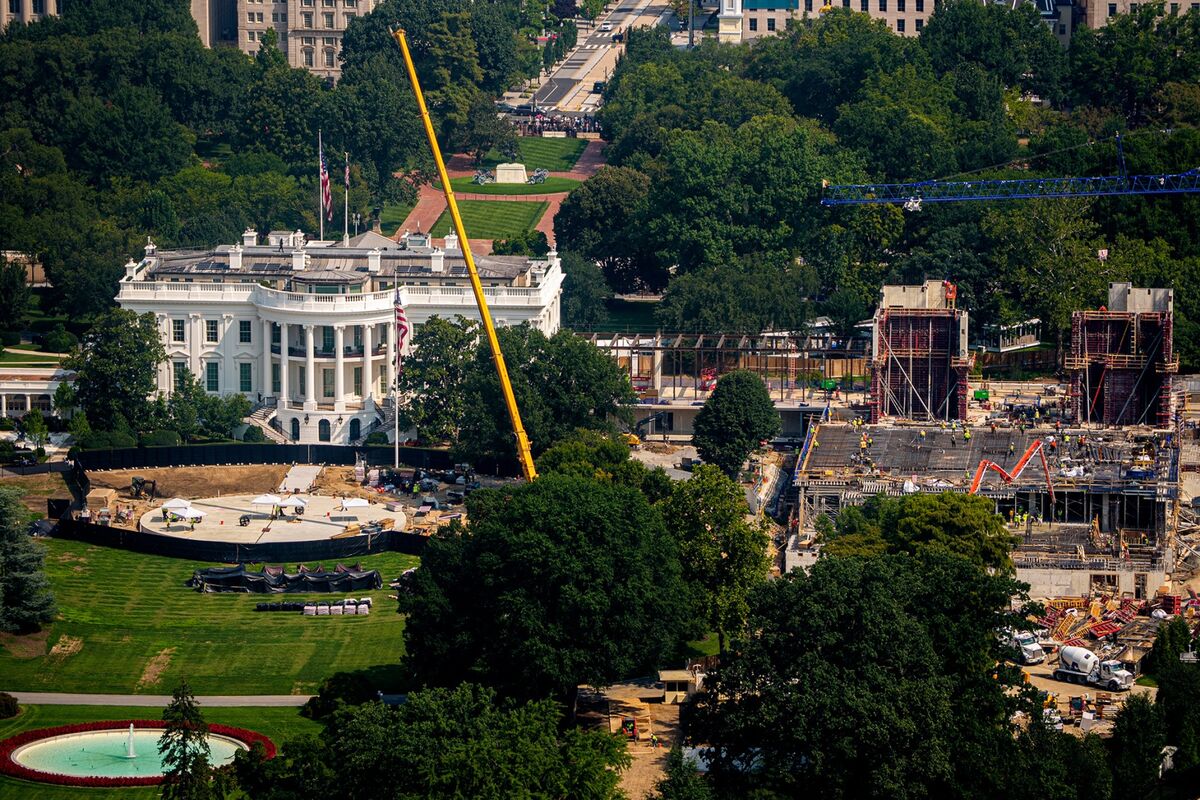
US Chief Justice John Roberts has allowed President Donald Trump to continue building his $400 million White House ballroom while the Supreme Court considers a longer-term ruling. The decision came after lower courts blocked the construction, claiming Trump lacked congressional authorization to proceed. Newsday reported that Roberts granted the emergency request from the Trump administration to keep work moving forward.
The ballroom project now awaits a full Supreme Court decision on whether Trump can legally continue without explicit approval from Congress. Lower courts had argued the construction violated federal law by bypassing the legislative branch. The temporary stay allows construction to move ahead while the justices weigh the administration's emergency appeal.
Lower Courts Block Construction Without Congressional OK
Federal judges blocked Trump's ballroom project, ruling that the president cannot spend $400 million on construction without Congress signing off first. The courts said Trump violated federal law by starting work without legislative authorization. Bloomberg Law reported that these lower court decisions forced the Trump team to appeal to the Supreme Court for emergency relief.
Roberts Grants Emergency Stay to Keep Work Going
Chief Justice Roberts sided with Trump by allowing construction to continue despite the lower court rulings. His emergency order doesn't settle the legal question permanently. Instead, it buys time while the full Supreme Court examines whether Trump can legally build without Congress. KTAR noted that Roberts acted on an emergency appeal filed by the Trump administration.
Supreme Court Faces Rare Separation of Powers Question
The ballroom dispute centers on who controls White House spending. Can a president spend hundreds of millions on construction projects alone? Or must Congress approve major expenditures first? The Supreme Court must now decide this constitutional question. Bloomberg reported that the court is weighing an emergency appeal on the matter.
Construction Continues While Legal Battle Unfolds
Workers can keep building the new ballroom thanks to Chief Justice Roberts's temporary ruling. The Supreme Court will eventually issue a longer-term decision. That decision could either allow the entire project to proceed or force Trump to halt and seek congressional approval. The $400 million project now sits in legal limbo while the justices decide.
Sentiment
NeutralPublishers
7
Articles
6
Reach
7