Iran Site Explosions
Explosions Strike Critical Iranian Nuclear and Oil Facilities Amid Heightened Regional Tensions
Anonymous
Key Points
1
90% of Iran's crude exports transit through Kharg Island, highlighting its critical role in export logistics.
2
Explosions have been reported on Kharg and Qeshm islands; Kharg is described as the hub for all of Iran's oil supply and lifeblood of the economy.
3
The incidents are part of a broader US-Israel campaign against Iran that has been active since late February 2026, with concerns about the safety of nuclear facilities and potential radiological impacts.
4
Market assessments indicate decreased confidence that Iran will surrender its enriched uranium by the end of 2026.
5
Market pricing shows a slight uptick in the perceived likelihood of regime change in Iran before 2027, rising to 6.5% for YES outcomes.
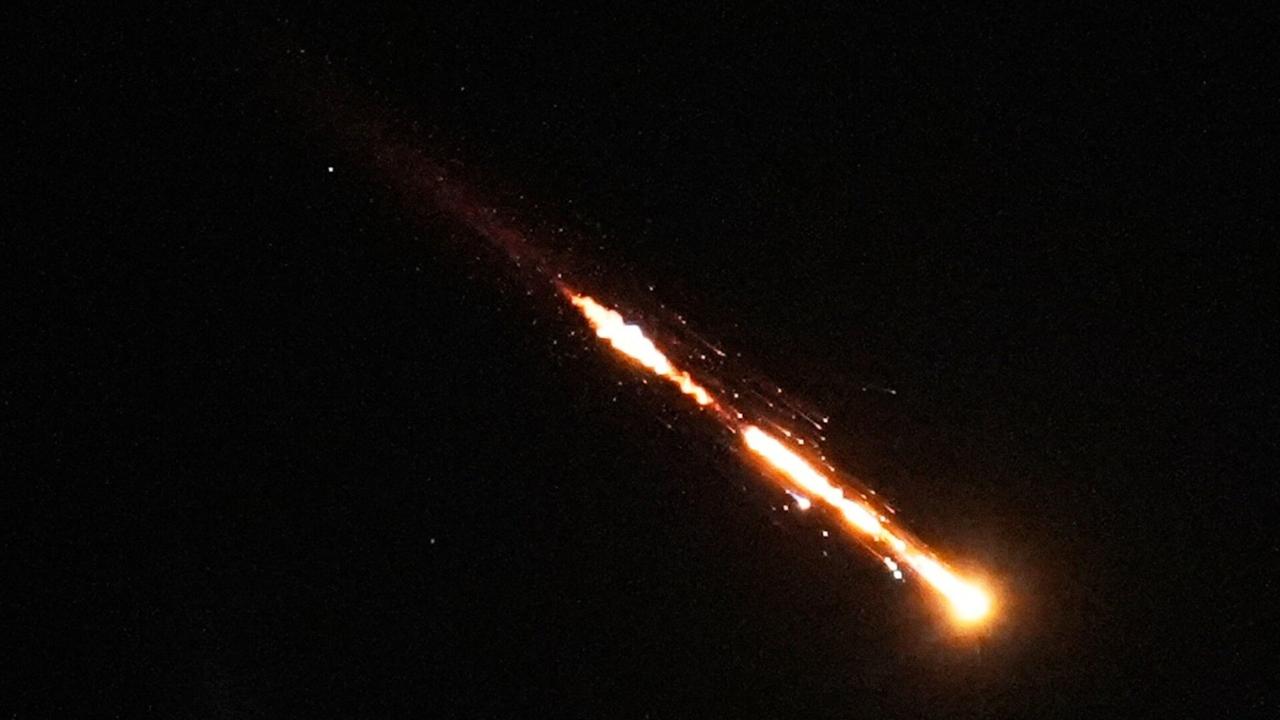
A series of explosions rocked Iran's Bushehr region on Friday, including areas near the country's only civilian nuclear power plant, according to Times of Israel and Sky News Australia. Iranian authorities have released few details about the cause or scale of the blasts.
The explosions come as Iran faces sustained military pressure from the United States and Israel, a campaign that has been active since late February 2026, according to Crypto Briefing. Separate blasts were also reported on Kharg and Qeshm islands — two of Iran's most critical energy hubs.
Kharg and Qeshm Islands Hit at the Worst Time
Kharg Island handles roughly 90% of Iran's crude oil exports. It is, in simple terms, the economic lifeline of the country. Crypto Briefing reported fresh explosions there, along with blasts on Qeshm Island, another key node in Iran's energy network. Both islands sit in the Persian Gulf and are central to how Iran moves oil to global markets.
Damage or disruption at Kharg alone could choke off the vast majority of Iran's oil revenue almost immediately. World News reported multiple explosions across several areas of southern Iran, suggesting the strikes are not isolated to a single site.
Nuclear Plant Proximity Raises Radiological Alarm
The Bushehr nuclear power plant sits in the same province as the port city of Bushehr. Explosions near any nuclear facility carry serious risks. A breach or fire at the plant could release radioactive material into the surrounding region. The International Atomic Energy Agency (IAEA) — the global body that monitors nuclear safety — has not yet issued a formal statement.
Times of Israel noted the city hosts Iran's only civilian nuclear reactor. Crypto Briefing said the blasts near the plant are consistent with patterns seen elsewhere in the ongoing US-Israel campaign. No official confirmation of damage to the plant itself has been made public.
Markets Grow Skeptical Iran Will Give Up Enriched Uranium
The explosions are rattling confidence in Iran's nuclear diplomacy. Market assessments now show decreased belief that Iran will surrender its enriched uranium by the end of 2026. Enriched uranium is material that can be used to fuel power plants — or, at higher levels, to build weapons.
Traders are also pricing in a slightly higher chance of regime change. The perceived likelihood of a new government in Iran before 2027 has risen to 6.5% for a YES outcome. That is still a low probability, but the direction of movement tells a story: investors are growing more uncertain about Iran's stability.
A Broader Campaign With No Clear End in Sight
The strikes on Bushehr, Kharg, and Qeshm are part of a wider US-Israel pressure campaign against Iran that began in late February 2026, according to Crypto Briefing. The goal appears to be targeting Iran's military capacity and economic infrastructure at the same time.
Sky News Australia reported that Iranian officials confirmed multiple explosions in the country's south near a key port city, but offered no explanation. With oil exports, nuclear sites, and island infrastructure all now under pressure, the conflict is reshaping both Iran's domestic situation and global energy markets in real time.
Sentiment
Mostly NegativeNEGATIVENEUTRALPOSITIVE
Publishers
23
Articles
8
Reach
31
A
AnonymousAuthor


