Expanded BP Eligibility
New Guidelines Expand Blood Pressure Medication Eligibility, Potentially Saving Thousands of Lives
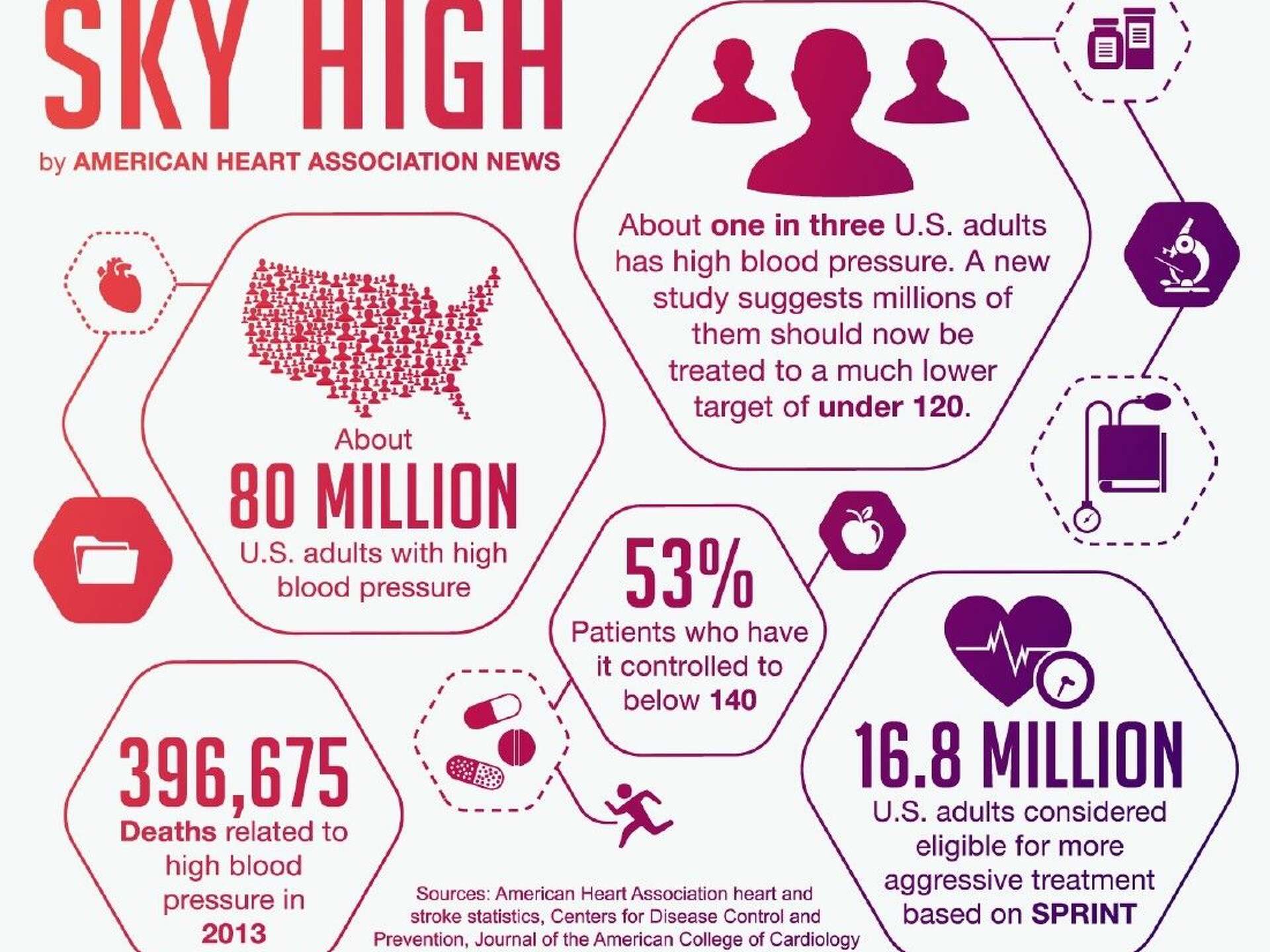
Nearly 1 in 3 American adults with untreated high blood pressure should be on medication — but are not, according to a new study WMTW. That gap could be costing lives. Researchers estimate that better treatment could prevent roughly 200,900 deaths from all causes and 162,600 cardiovascular deaths over the next 10 years.
The findings land as updated guidelines from the American Heart Association and the American College of Cardiology now make nearly 10 million more Americans eligible for blood pressure treatment WLKY. Experts say the country faces a massive and largely silent treatment gap.
Updated Guidelines Expand Who Qualifies for Treatment
The American Heart Association and the American College of Cardiology recently revised how doctors assess cardiovascular risk WCVB. Under the new rules, nearly 10 million additional Americans now qualify for blood pressure-lowering drugs. That is a significant jump in who is considered at risk.
Doctors are also being encouraged to use a new tool called PREVENT KCCI. PREVENT looks beyond just blood pressure. It factors in blood sugar, kidney function, and a person's 10-year risk for heart disease. If doctors adopt PREVENT widely, up to 81 million Americans could qualify for blood pressure medication.
Diabetes and High Blood Pressure Form a Dangerous Pair
The study found that diabetes and high blood pressure often appear together KETV. When they do, the combined effect raises a person's cardiovascular risk far more than either condition alone. This pairing makes it even more urgent to identify and treat untreated high blood pressure early.
Adults with both conditions are among the highest-risk groups in the country. Yet many of them are still not receiving medication WAPT. Researchers say this overlap deserves much more attention from doctors and public health officials.
Hundreds of Thousands of Deaths Could Be Prevented
The scale of preventable harm is striking. Researchers calculated that treating the untreated could stop approximately 200,900 deaths from any cause over 10 years WISN. It could also prevent around 162,600 deaths specifically tied to heart and blood vessel disease. Those are large numbers attached to a problem that has a known fix.
Blood pressure medication is widely available and generally low-cost. The barrier is not the drugs themselves WBALTV. The gap comes from identifying who needs treatment and then actually getting them into care. Researchers say the new guidelines and the PREVENT tool are both steps toward closing that gap.
Why So Many High-Risk Adults Remain Untreated
High blood pressure often has no symptoms. People can have it for years and feel completely fine KOCO. That makes it easy to miss — and easy to ignore. Without regular checkups or screenings, many adults never learn their blood pressure is dangerously high.
The study points to a systemic problem in how the US identifies and manages chronic conditions WMUR. Millions of people fall through the cracks of the health system every year. Researchers are calling on doctors to use updated risk tools and screen more aggressively, especially for patients with diabetes or kidney disease.
Sentiment
NeutralPublishers
13
Articles
13
Reach
13