Global Oil Supply Warning
IEA: US-Iran Hostilities Threaten Global Oil Inventories Amidst Tight Supply
Anonymous
Key Points
1
IEA notes that Persian Gulf flows, led by record UAE output, reached two-thirds of normal rates as part of a normalization: global inventories rose for the first time in four months.
2
June oil output rebounded to about 98.8 million barrels per day, yet overall production remains roughly 9.4 mbpd below pre-war levels; Gulf exports in June were 16.1 mbpd, well under the pre-war average of 24 mbpd.
3
Refining margins have surged to four-year highs, with Gulf export refineries not yet operating at full capacity and Russian refinery/export infrastructure damaged by intensified attacks.
4
The IEA coordinated a historic emergency release of 400 million barrels from Strategic Petroleum Reserves to prevent an immediate collapse of the global logistics network.
5
Ongoing disruption through the Strait of Hormuz contributes to a persistent supply shock, with more than 14 mbpd of shut-in Middle Eastern production still restricting energy flows.
The International Energy Agency has warned that renewed US-Iran hostilities could derail efforts to rebuild depleted global oil inventories, extending the world's energy crisis just as recovery had begun. Al Jazeera reported that the IEA sees the resumption of fighting as a direct threat to a fragile rebound in crude supplies.
Global oil output rebounded to about 98.8 million barrels per day in June, according to OilPrice.com. But that still leaves production roughly 9.4 million barrels per day below pre-war levels — a gap that could grow wider if the conflict flares again.
Gulf Exports Crawl Back but Stay Far Below Normal
Persian Gulf oil flows rose in June, led by record output from the UAE. That pushed inventories higher for the first time in four months, according to Bloomberg Law. But the numbers still tell a troubling story. Gulf exports reached just 16.1 million barrels per day in June — far short of the pre-war average of 24 million barrels per day.
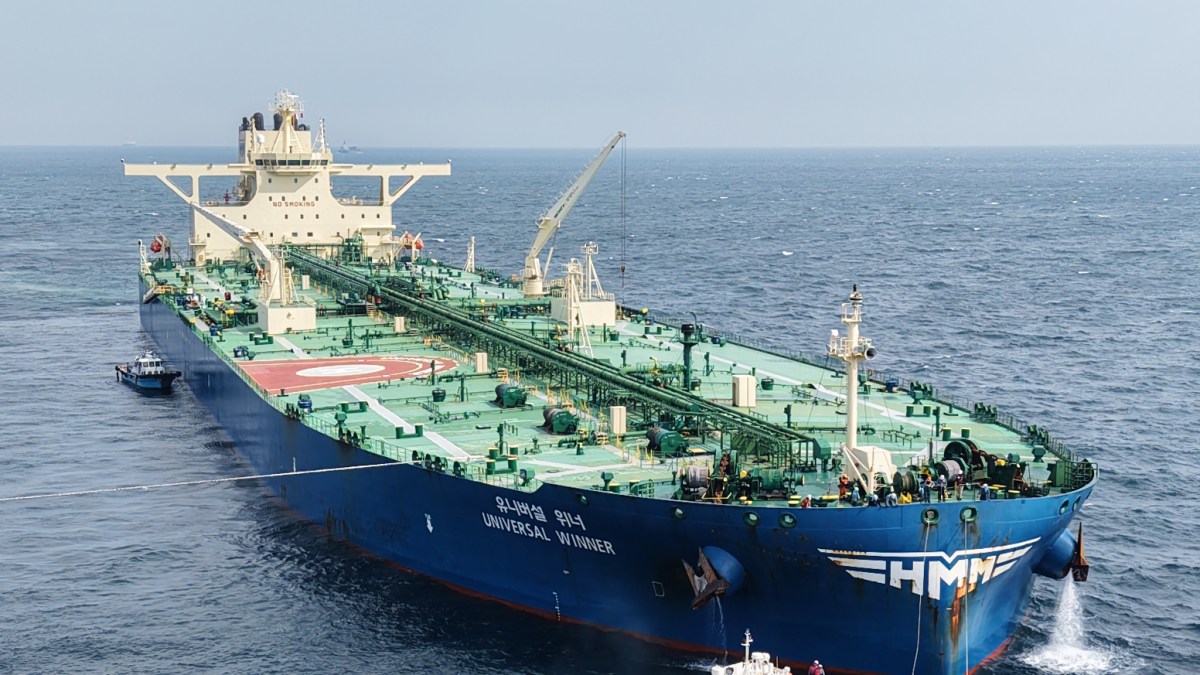
More than 14 million barrels per day of Middle Eastern production remains shut in. Al Jazeera noted that the Strait of Hormuz briefly reopened after a temporary ceasefire, but persistent disruptions continue to restrict global energy flows. Gulf export refineries are also not yet running at full capacity, tightening supplies further downstream.
Refining Margins Hit Four-Year Highs Amid Supply Crunch
The squeeze on crude supply is hitting refined fuel markets hard. Refining margins — the profit earned from turning crude oil into gasoline and diesel — have surged to their highest level in four years. Consumers and businesses that depend on finished fuels are feeling the pressure most directly.
Russian refining infrastructure has made things worse. Yahoo Finance reported that intensified attacks have damaged Russian refineries and export facilities, cutting another leg out from under global supply. With both Middle Eastern and Russian output constrained, the gap between crude availability and finished fuel supplies keeps widening.
IEA Coordinates Historic 400-Million-Barrel Reserve Release
To prevent an immediate collapse of the global logistics network, the IEA coordinated an emergency release of 400 million barrels from Strategic Petroleum Reserves — the largest in the agency's history. Strategic reserves are emergency oil stockpiles held by governments for exactly this kind of crisis. The release was designed to buy time and stabilize prices.
Even so, Real Hacker News noted that the move has not fully offset the supply shock. Prices remain elevated, and inflationary pressure is spreading across economies worldwide. The coordinated release helped prevent a worst-case scenario, but it did not solve the underlying problem of lost production.
2027 Surplus Forecast Hangs in the Balance
Before the latest escalation, analysts had projected a global oil surplus by 2027. That outlook is now in serious doubt. OilPrice.com reported that the IEA explicitly warned that re-escalating US-Iran hostilities could upend those forecasts entirely. A surplus requires steady production growth — something the current conflict directly threatens.
The IEA's warning underscores how fragile the energy outlook remains. One fresh round of fighting could erase months of slow recovery. With more than 9 million barrels per day still missing from global output, the world has little cushion left if the Strait of Hormuz closes again or new attacks damage critical infrastructure.
Sentiment
Mostly NegativeNEGATIVENEUTRALPOSITIVE
Publishers
13
Articles
33
Reach
46
Topics
A
AnonymousAuthor


