Devastating Glacial Floods in Nepal
Nepal Seeks Billions in Climate Aid Following Devastating Glacial Floods and Landslides
Anonymous
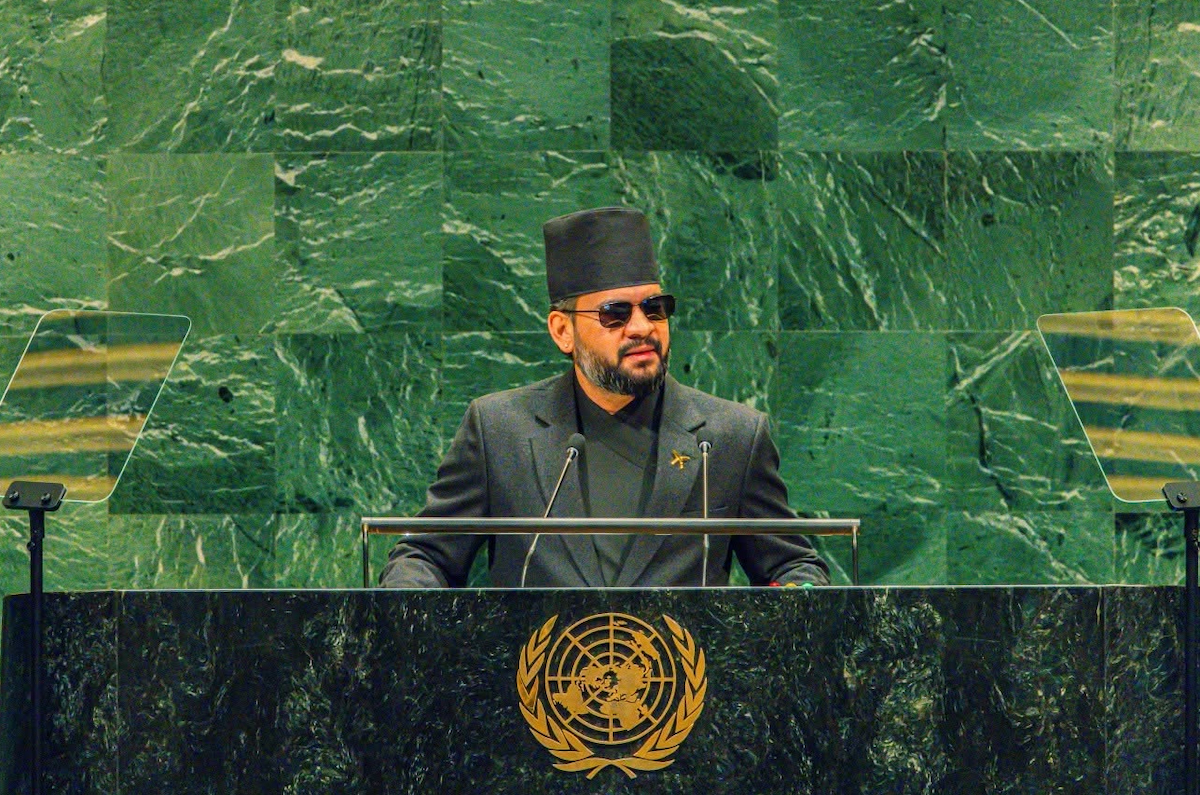
A glacial collapse triggered catastrophic flooding and landslides in Nepal on August 26, killing more than 1,400 people and leaving thousands missing while devastating homes, roads, bridges, schools, hydropower facilities and livelihoods. Reconstruction is estimated to cost roughly $4.7 billion to $5 billion, about 10% of Nepal’s GDP, and communities remain dependent on emergency aid. Nepal says it contributes only a tiny share of global emissions and is seeking grant-based international recovery and resilience funding; it has requested $20 million from the UN Loss and Damage Fund, which has yet to make its first disbursement, while the United States has announced $31 million in flood assistance. Prime Minister Balendra Shah has urged Nepal, India and China to cooperate on satellite data, glacial-lake monitoring, early warnings and cross-border disaster response, and Nepal plans to raise climate finance and Himalayan risks at the 81st UN General Assembly. Nepal is also preparing a UN side event, a COP-31 position paper and a pavilion on mountain resilience and climate justice, with Bhutan and Kyrgyzstan among prospective partners. Nepali civil society groups are urging the UN to declare a Decade of Climate Emergency Action and shift support from short-term relief toward locally led resilience, adaptation and long-term recovery.
Key Points
1
World Weather Attribution researchers characterized the disaster as a “compound crisis”: local geological instability combined with long-term warming, glacier retreat and permafrost thaw.
2
The government’s situation report said about 1.6 million people across five districts were affected; it reported 13,784 people rescued and damage to 41 motorable bridges and 12 hydropower projects.
3
A rapid damage and needs assessment estimated more than $2.66 billion in damage and losses, with $5.7 million needed for immediate relief and short-term rehabilitation over six months. It also identified damage to 30 cultural heritage sites and estimated $685 million would be needed to rehabilitate the social sector.
4
The assessment may understate the disaster’s broader human toll: it said children, women and older people experienced severe psychosocial impacts, while marginalized communities became further marginalized, costs the report did not adequately capture.
5
Foreign Minister Shisir Khanal said neighboring countries sent cash assistance and rescue teams, and members of the Nepali diaspora donated directly to the Prime Minister’s Relief Fund.
Sentiment
Mostly NegativeNEGATIVENEUTRALPOSITIVE
Publishers
39
Articles
138
Reach
177
A
AnonymousAuthor


