Toyota's EV Dilemma
Toyota Sends Mixed Messages on EV Future, Delays Highlander EV Production While Prioritizing Gas and Hybrid Sales
Anonymous
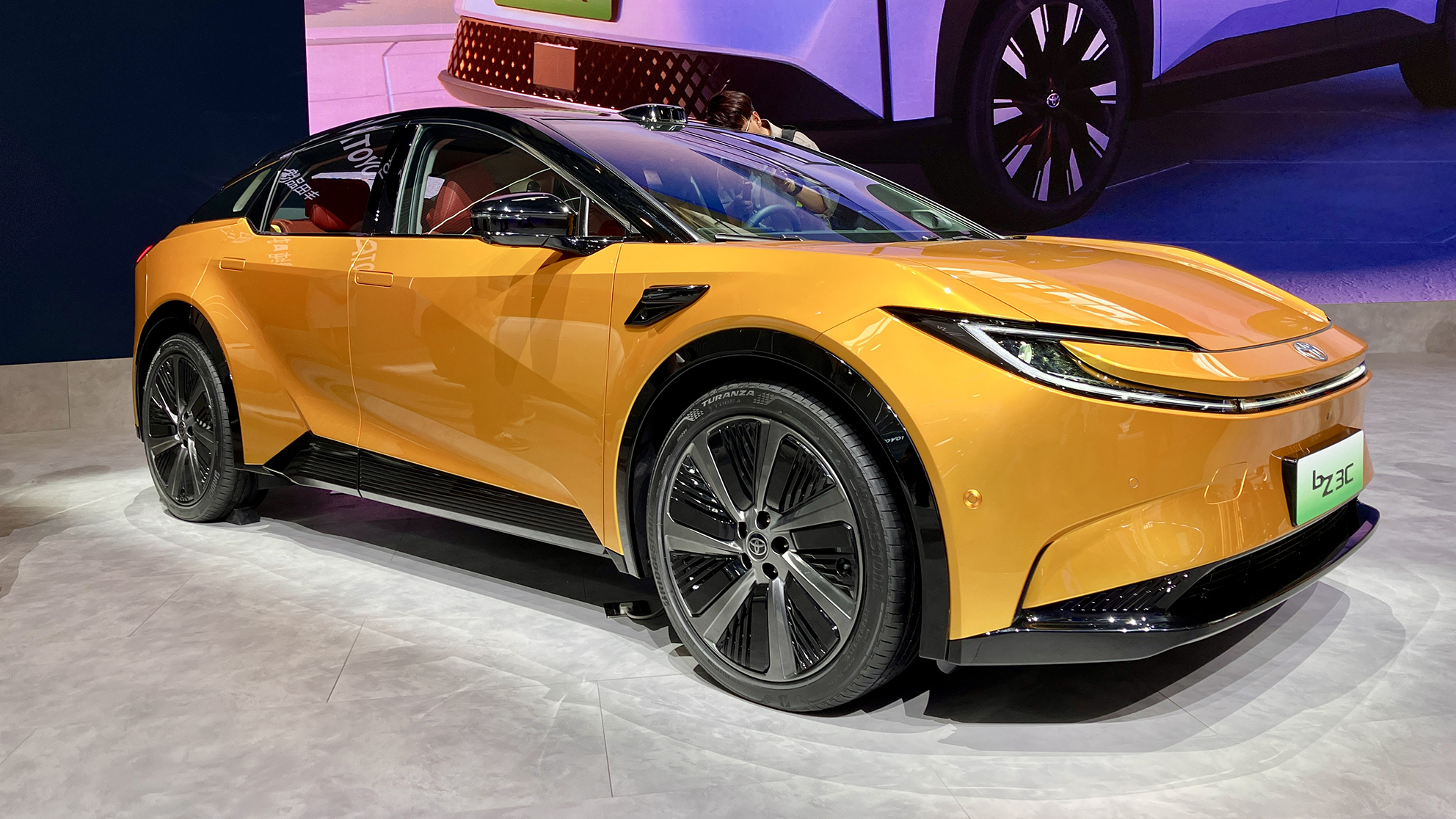
Toyota is sending mixed signals about its electric vehicle future. The automaker has delayed production of the 2027 Highlander EV — its first three-row electric SUV built for American buyers — while choosing to keep making the gas and hybrid version instead, according to Fresno Bee.
The delay is due to 'additional adjustments to the vehicle prior to launch,' the company said. But the move raises questions about how serious Toyota really is about going electric — especially as rivals push harder into the EV market.
Gas and Hybrid Highlanders Are Still Outselling EVs
The numbers tell the story clearly. Toyota sold more than 100,000 Highlanders and Grand Highlanders in the US through June of this year. By comparison, the company sold roughly 22,000 fully electric vehicles across its entire lineup in the same period, according to Miami Herald.
That gap makes the delay easier to understand. Toyota's gas and hybrid models are still its bread and butter. Pausing the electric Highlander keeps the company focused on what is actually selling right now.
Toyota's Chairman Still Believes EVs Will Win Eventually
Despite the delay, Toyota's chairman Akio Toyoda has not given up on electric vehicles. He has predicted that battery EVs will reach close to 30% of the global car market, according to The State.
That is a notable prediction from a leader whose company has been slower than many rivals to go all-in on EVs. Toyoda's forecast suggests Toyota sees a future for electric cars — just not necessarily on its own fast timeline.
Why Delaying the Electric Highlander Is a Curious Move
The 2027 Highlander EV was supposed to be a big deal. It would have been Toyota's first three-row electric SUV made specifically for American families. Three-row SUVs are one of the most popular vehicle types in the US market, according to Bellingham Herald.
Pushing that vehicle back, while rivals like GM and Ford roll out their own large electric SUVs, could cost Toyota ground it may struggle to recover. Critics say the delay contradicts any bold talk about an electric future.
Toyota's Hybrid Strategy Buys Time, but Has a Cost
Toyota has long argued that hybrids are a smarter short-term path than a sudden jump to full EVs. That strategy has worked well — hybrid sales remain strong, and the Highlander is one of Toyota's top sellers in the US, according to Myrtle Beach Online.
But leaning on hybrids while delaying the electric Highlander means Toyota risks falling further behind as charging infrastructure improves and more buyers consider going fully electric. The company is betting that slow and steady wins the race. It is a gamble that may not pay off.
Sentiment
NeutralNEGATIVENEUTRALPOSITIVE
Publishers
9
Articles
8
Reach
9
A
AnonymousAuthor


