Toyota's China EV Strategy
Toyota plans to produce 400,000 extended-range electric vehicles in China by 2028.
Anonymous
Key Points
1
Toyota sold approximately 200,000 battery-electric vehicles and 180,000 plug-in hybrids worldwide in 2025, meaning its planned 2027 EREV output would be comparable to its entire global BEV sales volume from the previous year.
2
EREVs remain relevant in China despite relatively strong urban charging infrastructure because they allow drivers to refuel with gasoline when traveling to rural areas or on long-distance trips.
3
Chinese authorities have introduced more specific technical requirements and testing procedures for range-extender systems as the segment has expanded.
4
China’s EREV retail sales totaled about 81,000 vehicles in August, down from 85,000 in July; the segment represented 8.06% of new-energy-vehicle retail sales, compared with 9.08% a year earlier.
5
Toyota’s EREV would become the company’s fifth electrified powertrain category, alongside battery-electric, plug-in hybrid, conventional hybrid and fuel-cell electric vehicles.
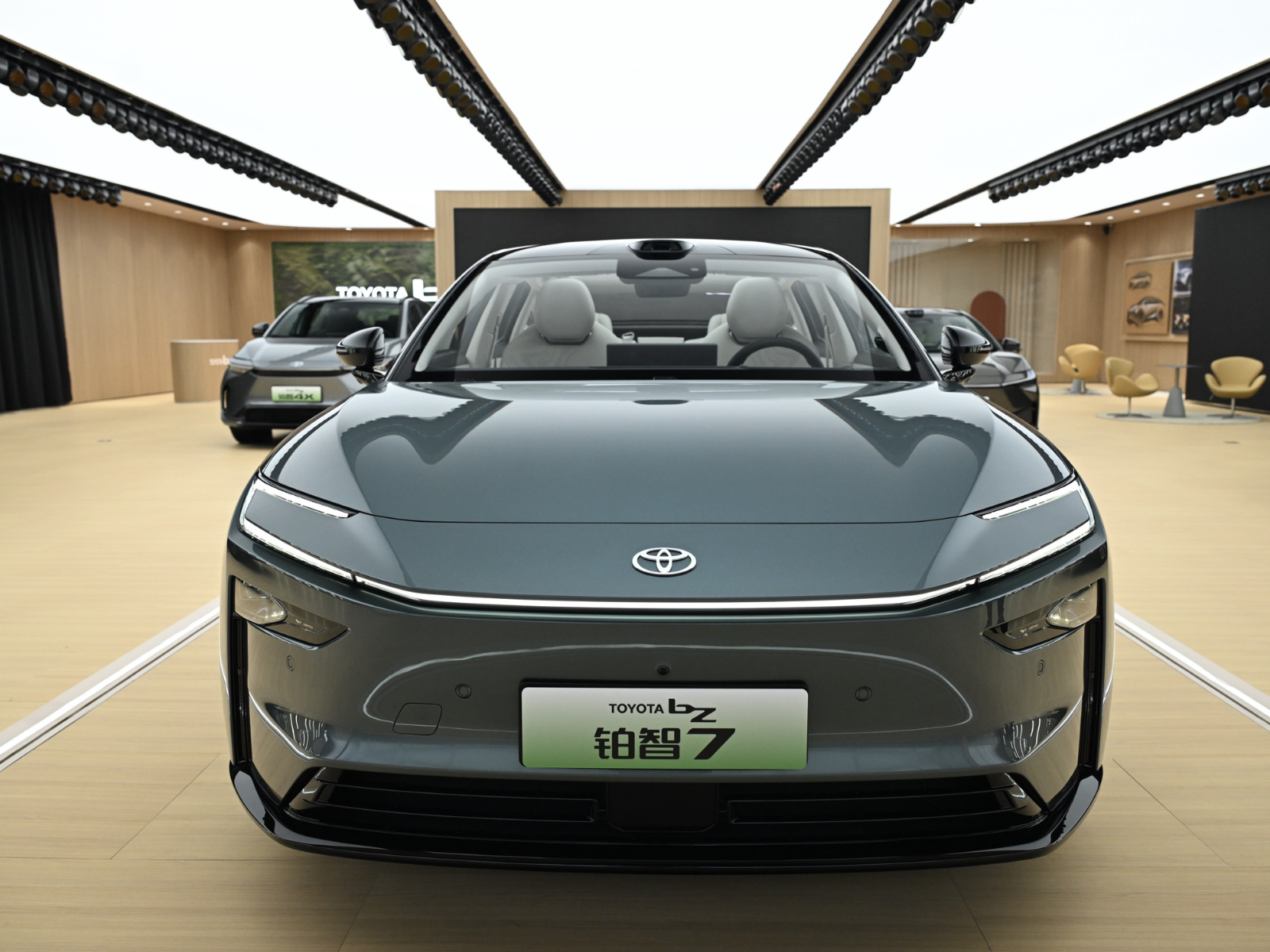
Toyota will begin producing its first extended-range electric vehicles (EREVs) in China in April 2027, CBTNews reported. The automaker plans to make roughly 200,000 units in 2027 and ramp up to 400,000 by 2028. EREVs use electric motors plus a small gasoline engine that generates electricity — offering longer range than battery-only cars while avoiding China's brutal EV price wars.
This move marks Toyota's entry into a segment dominated by Chinese brands like Li Auto and Xpeng. To put the scale in perspective, Motor1 noted that Toyota's planned 2027 EREV output would match its entire global battery-electric vehicle sales from 2025. However, China's EREV market faces headwinds — RetailNews Asia reported that segment sales dropped from 85,000 vehicles in July to 81,000 in August.
Why EREVs Matter in China Right Now
EREVs solve a real problem for Chinese drivers. Urban areas have good charging infrastructure, but rural regions and long highway trips don't. CarsGuide explained that EREVs let drivers refuel with gasoline when traveling far from charging stations. This flexibility appeals to buyers worried about range anxiety — a major concern in a sprawling country.
Chinese authorities recently tightened the rules. They introduced stricter technical requirements and testing procedures for range-extender systems as the segment has grown. These regulations help ensure quality while shaping how automakers design their vehicles.NewsBytesApp noted that Toyota's entry signals confidence in the segment's long-term viability despite near-term sales dips.
A Competitive Advantage Over Pure Battery EVs
China's all-electric car market is brutal. Prices have collapsed as domestic brands battle for share. RetailNews Asia reported that Toyota's EREV strategy sidesteps this bloodshed. By offering a different powertrain type, Toyota avoids direct price competition with BYD, NIO, and others in the cutthroat battery-EV segment. It's a smarter market position.
Toyota will compete against entrenched players. Li Auto, Aito, Leapmotor, and Xpeng already dominate the EREV space. But Toyota brings brand prestige and manufacturing expertise. Motor1 noted that the automaker is essentially starting its fifth electrified powertrain category — alongside hybrids, plug-in hybrids, battery-electric, and fuel-cell vehicles.
Market Uncertainty Clouds the EREV Segment
Despite Toyota's bullish projections, China's EREV market is slowing. In August, retail sales hit about 81,000 units — down from 85,000 in July. RetailNews Asia reported that EREVs now represent 8.06% of new-energy-vehicle sales, compared with 9.08% a year earlier. The segment is shrinking, not growing. This headwind creates real risk for Toyota's ambitious 400,000-unit 2028 target.
Timing matters. Toyota bets that EREV demand will rebound as consumers seek alternatives to pure battery vehicles. But if Chinese buyers increasingly embrace full EVs — or prefer traditional plug-in hybrids — Toyota's massive production plan could face excess inventory. The company is betting on a technology shift that isn't guaranteed.
Sentiment
Mostly PositiveNEGATIVENEUTRALPOSITIVE
Publishers
16
Articles
17
Reach
33
A
AnonymousAuthor


