Hidden 9/11 Air Records
New York City begins releasing hidden records on post-9/11 air quality and health risks.
Anonymous
Key Points
1
City Corporation Counsel Steven Banks said the records had been collected, scanned and archived within three months of the attacks, then transferred to the WTC Captive Insurance Co. for safekeeping. That arrangement allowed the city to argue in response to Freedom of Information requests that it did not possess the documents.
2
An internal document listed possible grounds for lawsuits against the city, including advisories that encouraged people to return to Lower Manhattan too soon, faulty equipment provided to rescue workers and police failures to secure businesses from looters.
3
A memo written five months after the attacks warned that the city was “leaving itself open to a barrage of lawsuits” and urged officials to stop telling residents to clean their apartments with wet mops and rags while seeking federal cleanup money.
4
Former EPA Administrator Christine Todd Whitman later apologized for saying the air around Ground Zero was safe to breathe, according to local reporting.
5
The World Trade Center Health Program has enrolled more than 145,000 people; about 81,000 have a certified medical condition linked to 9/11 toxins, while an estimated 6,000 first responders, survivors and volunteers have died from related illnesses—roughly twice the number killed in the attacks themselves.
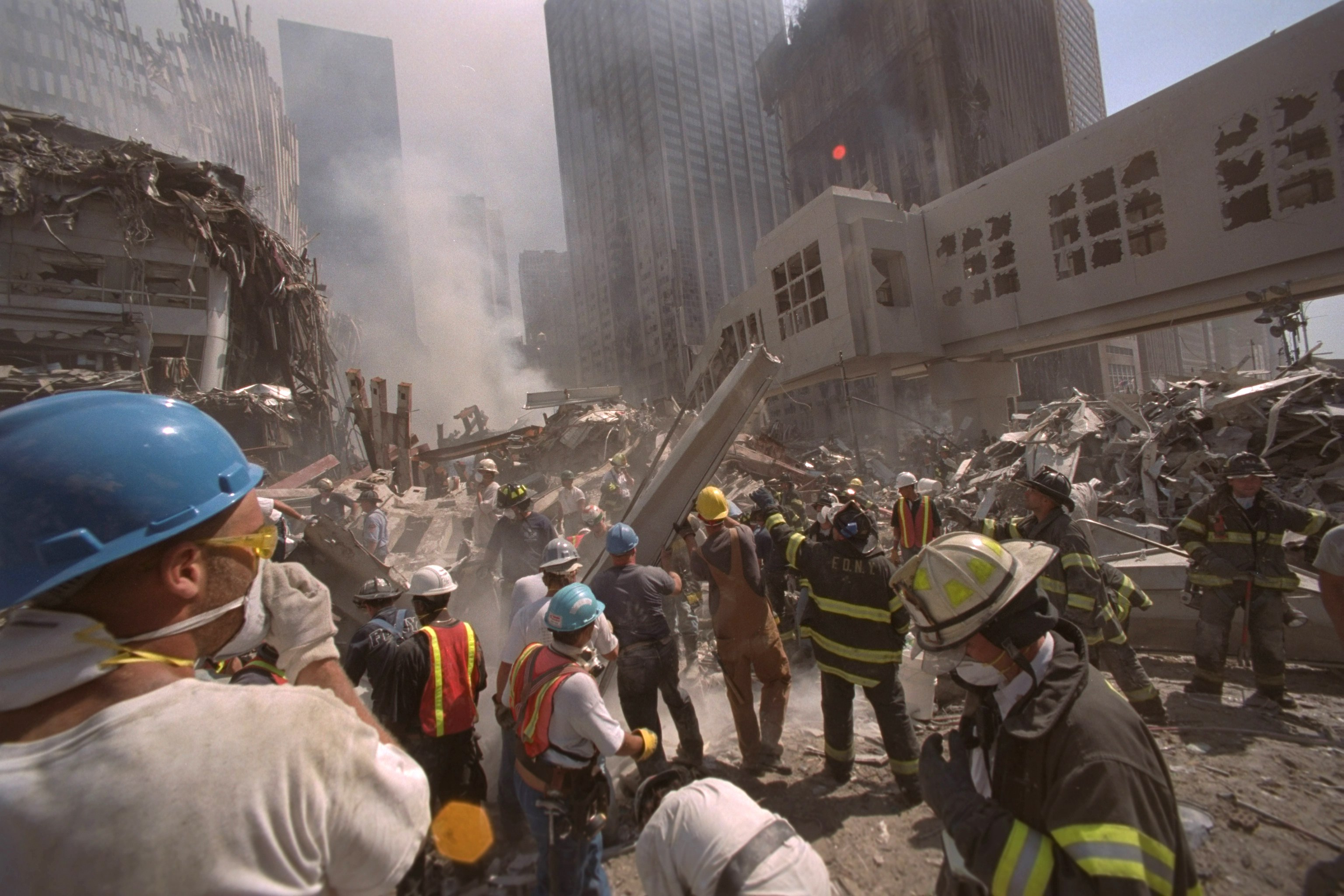
New York City is releasing over 170,000 pages of records on air quality and health risks around Ground Zero, with the first documents posted online ahead of the 25th anniversary New York Daily News. The records, hidden in 68 boxes for over two decades, include air-quality tests, contamination reports and internal memos showing that city officials recognized toxic exposure risks while publicly telling residents the air was safe The Sun.
The release follows years of pressure from survivors and first responders. City officials now acknowledge they knew about asbestos, benzene and other contaminants in Lower Manhattan within weeks of the attacks New York Daily News. The World Trade Center Health Program has enrolled more than 145,000 people; about 81,000 have certified illnesses linked to 9/11 toxins.
City Hid Records to Shield Itself From Lawsuits
An internal memo warned that the city was "leaving itself open to a barrage of lawsuits" five months after the attacks New York Daily News. The document listed possible grounds for suits: advisories that pushed people to return to Lower Manhattan too soon, faulty equipment given to rescue workers, and police failures to stop looting. City Corporation Counsel Steven Banks later explained that records were transferred to the WTC Captive Insurance Co. for safekeeping, allowing the city to claim it did not possess them when responding to public records requests.
Officials Assured Safety While Tests Showed Danger
The EPA Inspector General found that key air-quality data were missing when officials declared the air safe nydailynews.com. The Council on Environmental Quality encouraged officials to use more reassuring language and remove cautionary statements from public announcements. This gap between evidence and messaging meant residents received stronger safety guarantees than the available science could support—though investigators did not conclude officials knowingly lied.
Records show benzene and asbestos concerns persisted into late 2001 and 2002, including asbestos detections near the World Trade Center and at the Fresh Kills landfill New York Daily News. Yet some tests fell below regulatory limits, and other results lacked clear analysis, complicating the picture of actual risk.
A Health Crisis That Far Exceeded the Attack Itself
An estimated 6,000 first responders, survivors and volunteers have died from illnesses linked to 9/11 toxins—roughly twice the number killed in the attacks themselves. The World Trade Center Health Program has enrolled more than 145,000 people, with about 81,000 holding certified medical conditions tied to Ground Zero exposures.
Why Air Quality Records Took 25 Years to Surface
The city allocated up to $34 million to process and release the documents, with its Department of Investigation now examining what officials knew and why information was withheld NYC Mayor's Office. Former EPA Administrator Christine Todd Whitman later apologized for declaring the air around Ground Zero safe to breathe, acknowledging the gap between public assurances and underlying hazards.
Sentiment
Mostly NegativeNEGATIVENEUTRALPOSITIVE
Publishers
149
Articles
302
Reach
451
A
AnonymousAuthor


