Burnham's Cabinet Reshuffle
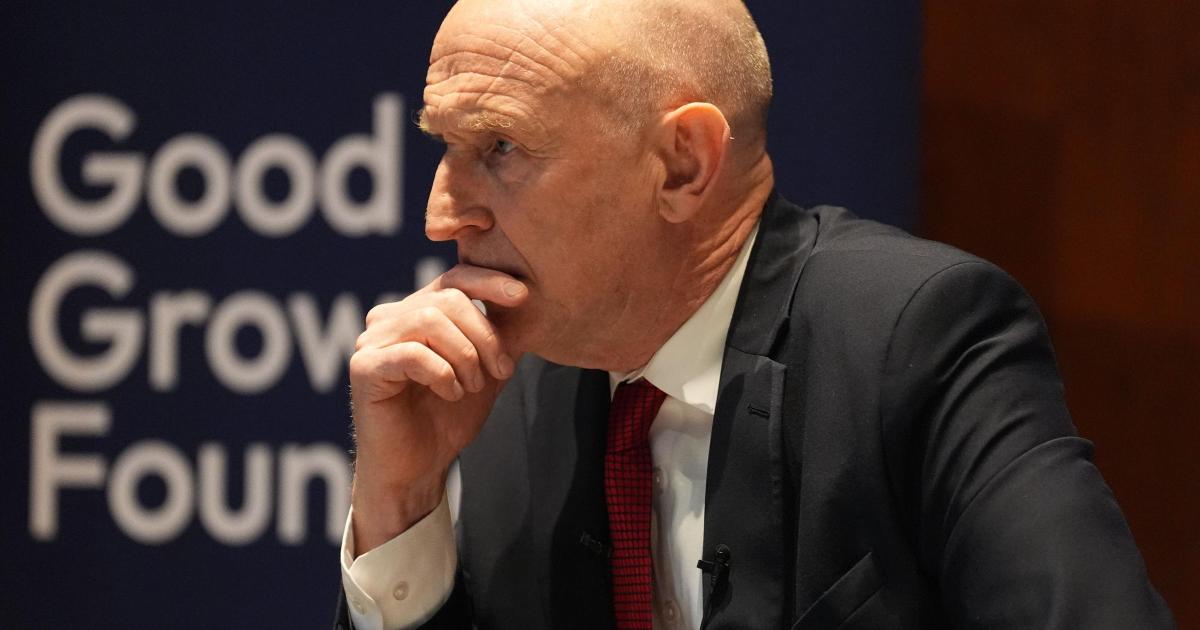
John Healey named Chancellor in Burnham's sweeping cabinet overhaul, signaling new fiscal direction and investment focus
Anonymous
Key Points
1
Healey previously served as Economic Secretary to the Treasury and Financial Secretary to the Treasury under Blair and Brown, and more recently held the role of Defence Secretary from July 2024 until his resignation on 11 June 2026. This Defence-to-Treasury trajectory underscores cross‑portfolio budgeting experience and has been likened to the historic Defence‑to‑Treasury path taken by Denis Healey in 1974.
2
The shake‑up features high‑profile exits including Rachel Reeves, David Lammy, and Steve Reed, with Ed Miliband and Louise Haigh seen entering Downing Street, signaling potential moves for the pair. Other departures named include Peter Kyle, Liz Kendall, Lord Hermer, Jo Stevens and Darren Jones as part of the broader cabinet clearance.
3
Markets have shown unease about fiscal credibility, with gilt yields rising after Reeves’s departure; Healey’s appointment is framed as a stabilizing step intended to reassure City investors and bondholders amid the wider plan for expansion and investment.
4
Healey inherits the challenge of funding a defence budget hole described as multibillion pounds, a shortfall that the Treasury had previously resisted funding; resolving this will be central to balancing Burnham’s expansionary agenda with fiscal realism.
5
Burnham signaled fiscal flexibility within existing rules and left the door open to reconsidering top‑tier taxation, noting a willingness to use flexibility within the rules and suggesting the possibility of a 50p top rate for high earners, though not pledging it in the manifesto.
Andy Burnham was appointed UK Prime Minister on July 20, 2026, and immediately named John Healey as Chancellor of the Exchequer — a surprise pick that rattled bond markets within hours. Financial Times reported that 10-year gilt yields rose by 0.08 percentage points to 5.04% on the day, as investors had expected the more fiscally conservative Shabana Mahmood to get the job.
Healey, 67, served as Defence Secretary until he resigned in June 2026 over military underfunding. His appointment caps a sweeping cabinet purge that removed Rachel Reeves, David Lammy, Steve Reed, and several other senior ministers from Starmer's government.
Healey's Shock Appointment Upends Westminster Expectations
For weeks, Westminster insiders tipped Ed Miliband or Shabana Mahmood for the Treasury. Both entered Downing Street together at 5:30 PM, fueling a "bitter briefing war" in the press. Then, at 6:15 PM, Burnham announced Healey instead. The Argus reported that borrowing costs jumped to a two-month high on the news.
Miliband was appointed Foreign Secretary. Mahmood stayed on as Home Secretary. Louise Haigh became First Secretary of State. A Bloomberg poll of City professionals had ranked Healey second at 19% — behind Wes Streeting at 30% — showing he was seen as a plausible but unlikely choice.
Healey's Defence Resignation Made Him an Unlikely Treasury Pick
Healey quit as Defence Secretary on June 11, 2026. He accused Keir Starmer and Rachel Reeves of leaving the military dangerously underfunded. His resignation letter said the Treasury had been "unwilling to commit the resources that the nation needs to defend the country." The final Defence Investment Plan, delivered June 30, revealed an £18.5 billion MoD shortfall and a £3 billion final budget gap.
Now Healey must fund that same hole from the other side of the table. His path from Defence to Treasury mirrors that of Denis Healey in 1974 — no relation — who also moved from Defence Secretary to Chancellor under Harold Wilson. Healey is expected to push for "defence bonds," a borrowing tool the previous Treasury had blocked.
Markets Nervous as Burnham Signals Spending Flexibility
Burnham pledged outside Downing Street to deliver "the biggest changes in the last forty years" and a "new economic model." He said he would "stick to the fiscal rules" but use "any flexibility within them." He also refused to rule out a 50p top income tax rate for earners above £150,000. Wealth managers warned that could trigger capital flight.
City analysts urged caution. Stephen Jones of Aegon Asset Management said: "So far we have only had hints that there will be more spending and less reform. Markets do want some detail." John Stopford of Ninety One added that Burnham "needs to build some fiscal credibility" even as he exploits room within the rules. The Argus noted borrowing costs hit their highest level in two months on the day of the announcement.
Mass Cabinet Purge Redraws Labour's Top Team Entirely
The scale of the clearance was striking. Rachel Reeves, David Lammy, Steve Reed, Peter Kyle, Liz Kendall, Darren Jones, Jo Stevens, and Lord Hermer all left government. Reeves turned down an alternative role. In her departing statement she said: "To every young woman and girl, let my time in office show there should be no ceilings on your ambitions." Outgoing Housing Secretary Steve Reed told Burnham: "I hope those who did not show loyalty to Keir will now show it to you."
Burnham's domestic agenda includes a plan to exempt Gen Z workers from income tax for their first three years of full-time work to help them buy homes — a policy estimated to cost £3.5 billion. He also plans broad devolution of business rates to English regions. The Conservative leader Kemi Badenoch attacked the new government for making "pledges without any plan for delivery." Head Topics reported that the appointment marked a major surprise on Burnham's first day in office.
Sentiment
Mostly NegativeNEGATIVENEUTRALPOSITIVE
Publishers
42
Articles
115
Reach
157
A
AnonymousAuthor


