Proactive Health Management
Rumer Willis Undergoes Genetic Testing Amid Family History of Alzheimer’s and Dementia
Anonymous
Key Points
1
Rumer Willis disclosed her APOE genotype as 3/4, meaning she has one copy of the APOE4 allele and one APOE3 allele; she described the result as 'pretty average' but acknowledged there is some risk for Alzheimer's disease.
2
Function offers more than 160 advanced lab tests, imaging, and specialized assessments to help Willis track brain, heart, gut, and reproductive health markers and share data with clinicians.
3
Willis notes lifestyle steps like avoiding microplastics in takeout and reducing perfume usage as part of her proactive health plan.
4
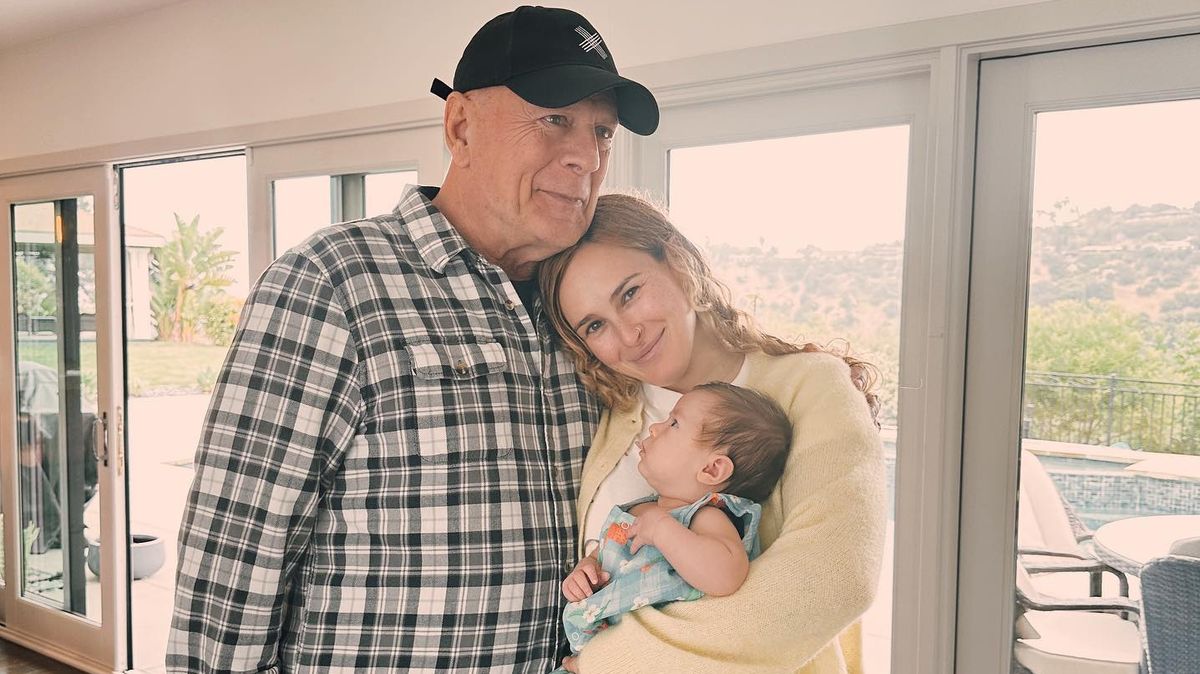
She shared an Instagram video about Bruce Willis, expressing that she misses her dad and prioritizes being present with him while supporting his care.
Rumer Willis, 38, is undergoing genetic testing to assess her Alzheimer's risk after her father Bruce Willis received a frontotemporal dementia diagnosis in 2023. She disclosed her APOE genotype as 3/4 — one copy of the APOE4 allele linked to higher Alzheimer's risk — and described the results as "pretty average" while acknowledging some genetic vulnerability NewsNation Now. Willis frames the testing as both terrifying and empowering, saying that knowing her risk helps her make informed health decisions and guides conversations with her doctors.
Willis is partnering with Function, a health membership offering over 160 lab tests and imaging assessments, to monitor her brain, heart, gut, and reproductive health. She has already begun lifestyle changes including taking supplements, cooking at home, and reducing perfume use to lower her exposure to harmful chemicals The Blast. She believes being proactive about health is no longer optional in today's world.
Understanding APOE Testing and Alzheimer's Risk
APOE testing estimates genetic risk for Alzheimer's disease by identifying which APOE alleles a person carries. Willis's 3/4 genotype means she has one neutral APOE3 copy and one APOE4 copy, putting her in the intermediate risk category Yahoo The Mirror. People with APOE3 face about 2–5% Alzheimer's risk, while APOE4 carriers show roughly 10–15% increased risk compared to the general population.
Having this genetic information doesn't mean Willis will develop Alzheimer's. Instead, it gives her data to work with her healthcare providers. She can now pursue targeted prevention strategies and monitor brain health markers more closely over time.
Proactive Health Tracking Through Advanced Lab Testing
Function's comprehensive screening includes blood work, imaging, and specialized assessments that go far beyond standard doctor visits. Willis can now track inflammation markers, cardiovascular health, and gut function — all linked to brain aging NewsNation Now. She shares this data directly with her clinicians, turning raw lab numbers into actionable prevention plans.
This data-driven approach empowers patients to make lifestyle changes before health problems develop. Willis's testing provides objective evidence she can discuss with doctors. Together, they identify which prevention steps matter most for her specific risk profile.
Lifestyle Changes Driven by Family History and Health Concerns
Willis says she is no longer willing to wait for disease to strike Yahoo. She has cut back on takeout containers that contain microplastics, reduced her use of perfumes and scented products, and increased her intake of targeted supplements. She also emphasizes cooking meals at home where she controls ingredients and food quality The Blast.
These changes reflect a broader shift toward preventive health management. Willis shared an Instagram video about her father, saying "I miss my dad" while expressing her commitment to being present with him and supporting his care Yahoo. Her personal experience with dementia in the family drives her urgency to act now.
A Family's Broader Approach to Dementia and Prevention
Bruce Willis's frontotemporal dementia diagnosis has reshaped how his family thinks about health and aging. Rumer's decision to pursue extensive genetic and health testing signals a shift toward data-informed family health planning NewsNation Now. Her openness about genetic testing also normalizes conversations that many families find uncomfortable or scary.
Willis's approach shows that family medical history can be a catalyst for change. Rather than feeling helpless, she is using genetics and lifestyle adjustments as tools to potentially reduce her risk. Her partnership with Function allows her to monitor progress and adapt her health strategy as new data emerges.
Sentiment
Mostly NegativeNEGATIVENEUTRALPOSITIVE
Publishers
12
Articles
40
Reach
52
Topics
A
AnonymousAuthor


