Striker: Value-Focused Versatility
Dacia unveils new Striker, an affordable hybrid SUV-estate blend starting under £25,000 with versatile features.
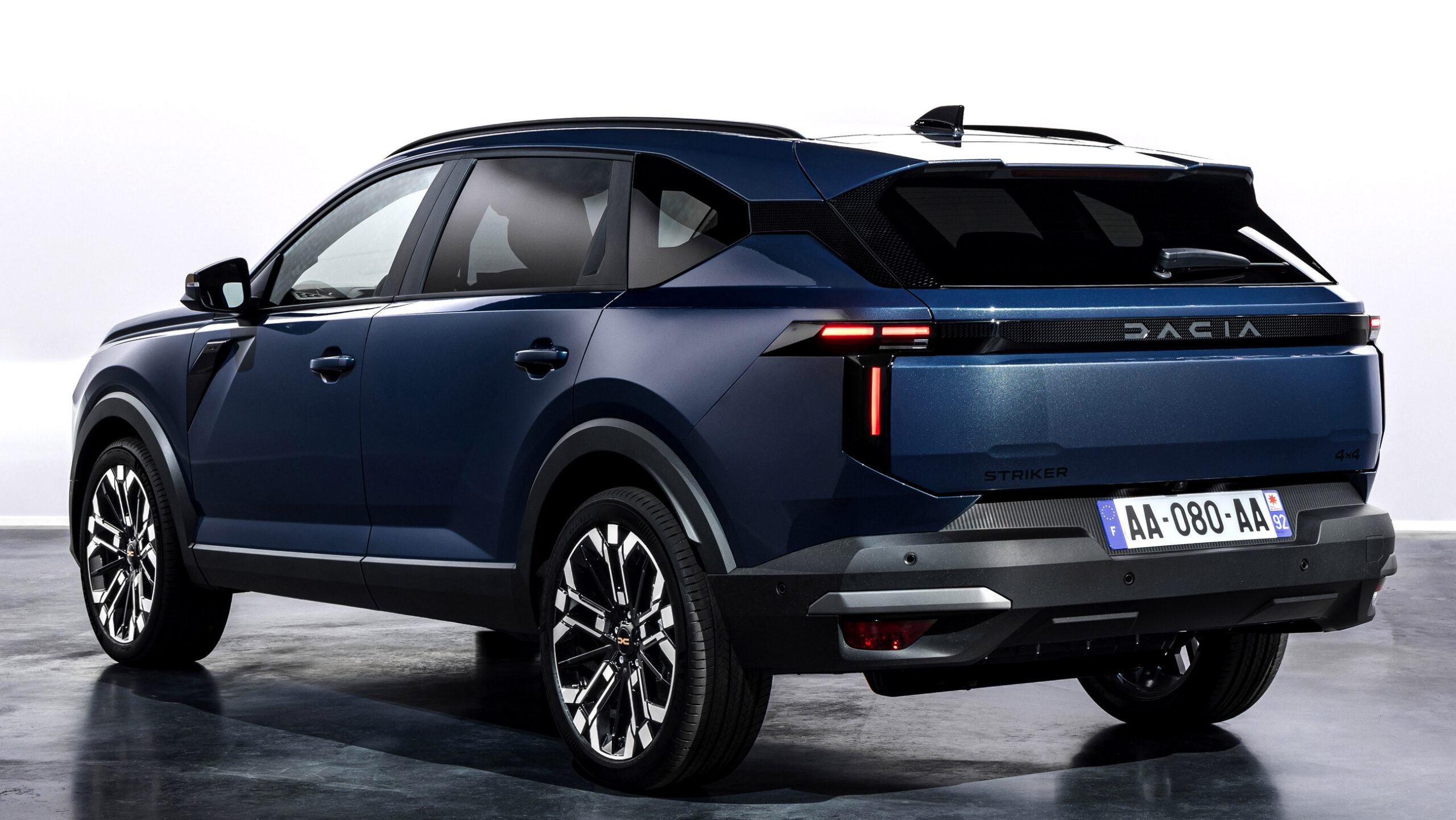
Key Points
The Striker is 4.62 metres long, making it the longest Dacia in the lineup, with a low 1.53 m roof height and an aero coefficient of 0.29 cd; standard ground clearance is 190 mm, rising to 200 mm on the all‑wheel‑drive version.
Luggage capacity is about 600 litres with a moveable boot floor for greater practicality, and the model is pegged to start under £25,000.
The Hybrid 150 4×4 hybrid uses a 1.2‑litre petrol engine with a 48V mild‑hybrid system and an electrified rear axle; it can distribute power between axles to maximise traction and features five driving modes plus hill‑descent control for off‑road use.
The Hybrid 155 is front‑wheel drive with a 1.8‑litre engine and two electric motors backed by a 1.4 kWh battery, offering up to about 80% electric operation in urban driving.
About 32% of Striker’s materials come from the circular economy, including around 47 kg of recycled plastics, underscoring a push toward sustainable construction alongside a rugged, practical interior (including Microcloud upholstery on some trims).
Dacia has unveiled the Striker, a 4.62-metre car it calls three vehicles in one — SUV, estate, and saloon. Carscoops reports the Striker is the longest car Dacia has ever built, with a starting price of under £25,000 (roughly $28,000), targeting mainstream rivals like the Kia K4 and Skoda Octavia.
The Striker sits lower than a typical SUV, with a roof height of just 1.53 metres and a drag coefficient of 0.29 cd. It is expected to go on sale in late 2026, according to Select Car Leasing.
A Low, Long Body That Does It All
The Striker is built for buyers who want space without bulk. Its boot holds about 600 litres, with a moveable floor for extra flexibility. Standard ground clearance is 190 mm — enough for light off-road use. The all-wheel-drive version raises that to 200 mm, according to Fleet News.
The body is long and low but styled with rugged details. New T-shaped lights and tough trim give it an outdoor look. About 32% of its materials come from the circular economy, including around 47 kg of recycled plastics, Motor1 reports.
Two Hybrid Powertrains, One Very Different From the Other
Dacia offers two hybrid options. The front-wheel-drive Hybrid 155 uses a 1.8-litre petrol engine with two electric motors and a 1.4 kWh battery. In city driving, it runs on electric power up to 80% of the time, according to Business Motoring.
The Hybrid 150 4×4 takes a different approach. It uses a 1.2-litre petrol engine with a 48-volt mild-hybrid system and an electrified rear axle. It can split power between the front and rear wheels for better grip. In urban conditions, it operates on electric power about 60% of the time and includes hill-descent control for off-road situations.
Four Trim Levels, All Under £25,000 to Start
Dacia will offer the Striker in four trims: Essential, Expression, Extreme, and Journey. Every model gets a 10.1-inch touchscreen and digital gauges as standard. The entry price stays under £25,000, keeping the Striker firmly in value territory, Fleet News reports.
Higher trims add Microcloud upholstery and extra tech. Dacia pitches the Striker as a low-cost alternative to wagons and SUVs, not a stripped-down compromise. The brand says low running costs and wide utility are the car's main selling points.
Striker Slots In Alongside Bigster, Eyes European Rivals
The Striker joins the Dacia Bigster in a growing lineup that targets Europe's busy C-segment. Its direct rivals include the Kia K4 and Skoda Octavia — both popular, practical choices. Dacia believes the Striker's three-in-one design gives it an edge, according to Carscoops.
Motor1 notes the Striker is designed to appeal to buyers who feel boxed in by standard SUVs or old-fashioned wagons. With its mix of space, efficiency, and off-road ability, Dacia is betting the Striker can carve out a distinct place in a crowded market.
Sentiment
Mostly PositivePublishers
16
Articles
7
Reach
23


