U.S. and Iranian Escalation
CENTCOM completes new strikes on Iranian targets as regional tensions and retaliatory attacks escalate.
Anonymous
Key Points
1
Iran's IRGC Aerospace Force conducted a ballistic missile operation against the Prince Hassan Air Base in Jordan, targeting UAV hangars (RQ-4 and MQ-9), according to IRNA.
2
CENTCOM released video purportedly showing the latest wave of strikes on Iranian military targets.
3
Axios reported that the U.S. strike included attacks on two Iranian government tankers, per coverage cited in the reporting.
4
U.S. forces are operating across West Asia with more than 50,000 service members involved, according to CENTCOM.
5
President Donald Trump publicly asserted a hard line, warning that retaliation against Iran would be harsher and emphasizing leverage in regional dynamics.
The U.S. military completed a new wave of strikes on Iranian military targets, hitting air defense sites, radars, and maritime assets, NPR reported. Iran responded within hours, firing ballistic missiles at U.S. bases across Jordan, Bahrain, and Iraq. President Trump warned that any further Iranian retaliation would face harsher American action, signaling an escalating cycle of military strikes that threatens regional stability and global energy markets.
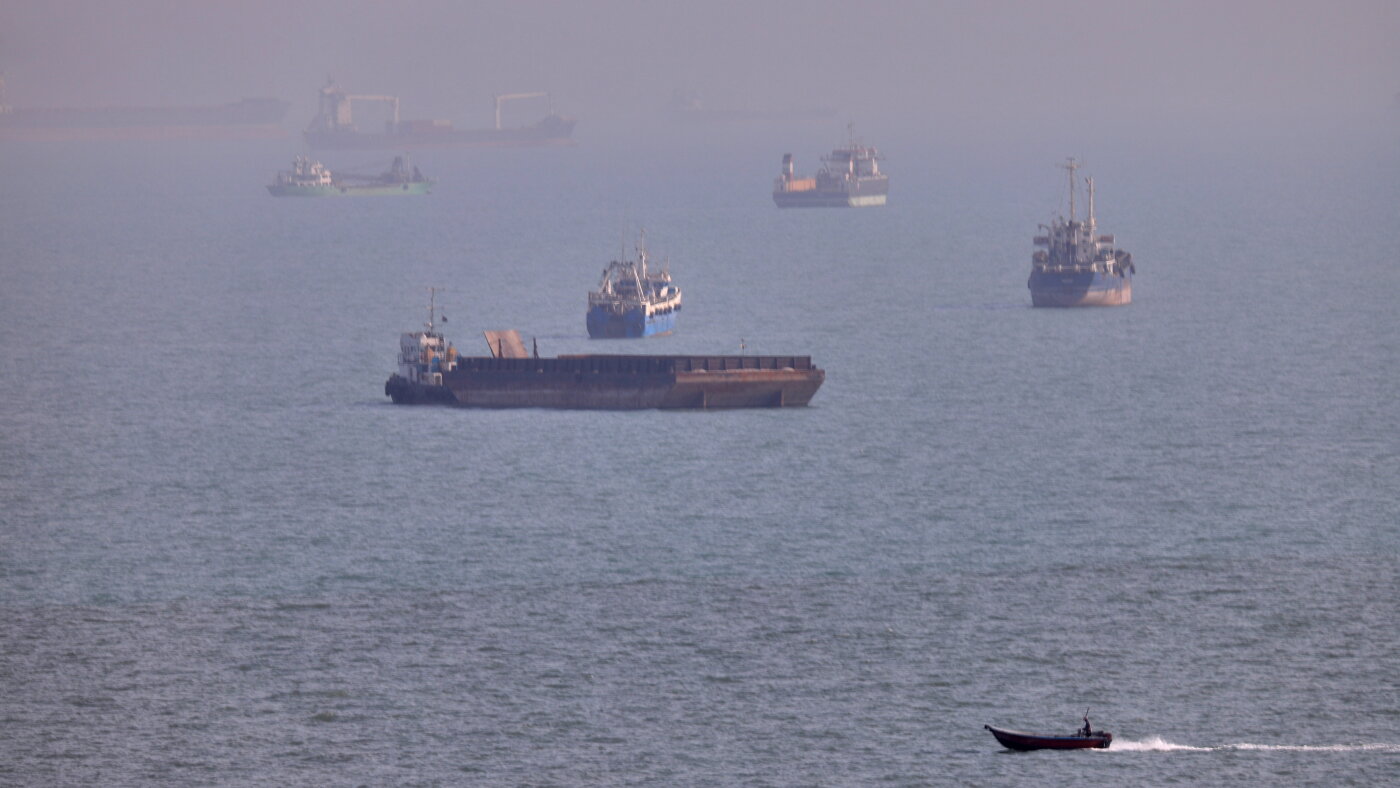
The strikes targeted Islamic Revolutionary Guard Corps facilities as tensions spike over shipping in the Strait of Hormuz. WNYC reported the U.S. military has more than 50,000 service members deployed across the region. Iranian officials claimed over 50 people were killed or injured in one strike on a wedding celebration, though the casualty figure remains disputed among international sources.
Iran Fires Missiles at U.S. Bases Across West Asia
Iran's Islamic Revolutionary Guard Corps Aerospace Force launched a ballistic missile operation against Prince Hassan Air Base in Jordan, NPR reported. The strike targeted hangars holding American surveillance drones, including RQ-4 and MQ-9 aircraft. Simultaneous attacks hit U.S. positions in Bahrain and Iraq, expanding the scope of Iranian retaliation beyond a single target.
This coordinated response followed the American strikes and marked a sharp escalation in direct military confrontation. The attacks signaled Iran's willingness to strike U.S. forces across multiple countries, not just in Israel or Israeli-controlled territory, raising stakes for regional conflict.
U.S. Targets Iranian Air Defense and Maritime Capabilities
CENTCOM released video showing the latest round of American strikes against Iranian military infrastructure. Boston Globe reported the operation hit air defense systems, radar facilities, and maritime assets used by the Islamic Revolutionary Guard Corps. The U.S. also struck two Iranian government tankers, Axios coverage indicated, targeting Iran's ability to supply its military and allies.
CENTCOM framed the strikes as defensive responses to Iranian attacks on commercial shipping and American forces. The military command emphasized that the targets posed direct threats to regional stability and freedom of navigation in critical waterways like the Strait of Hormuz.
Trump Issues Hard-Line Warning to Tehran
President Donald Trump publicly warned Iran that any further retaliation would trigger harsher American military action. WNYC reported Trump emphasized using "credible pressure and sanctions" while maintaining his confrontational stance toward Tehran's leadership. The president's rhetoric signaled he would not accept Iranian escalation without a stronger response.
Trump's warnings came as both sides showed no signs of backing down. With over 50,000 U.S. service members positioned across West Asia, the military has substantial forces ready for sustained operations. The cycle of strikes and counterstrikes now threatens to spread beyond military targets to civilian infrastructure and economic assets.
Disputed Casualty Counts and Energy Market Pressure
Iranian officials claimed that American strikes killed or injured more than 50 people during a wedding celebration in Sirik. Some international sources disputed this casualty figure, creating confusion about the true human cost of the latest military operations. Verification remains difficult as both sides release conflicting accounts of strike impacts.
The escalating military confrontation threatens to disrupt global energy markets. Tensions over the Strait of Hormuz — a critical chokepoint for oil shipments — could trigger price spikes if either side targets commercial tankers or blocks shipping lanes. The region's energy infrastructure faces growing risk as military strikes expand in scope and intensity.
Sentiment
Mostly NegativeNEGATIVENEUTRALPOSITIVE
Publishers
12
Articles
76
Reach
88
A
AnonymousAuthor


