Escalating Gulf Confrontation
US Strikes Iran to Secure Hormuz Shipping; Tehran Retaliates, Threatens Strait Closure
Anonymous
Key Points
1
CENTCOM said about 140 Iranian military targets were struck in the third round this week, part of more than 300 targets hit over three nights to degrade Iran’s ability to threaten civilian mariners and commercial vessels; the strikes targeted missile and drone sites, naval capabilities, ammunition storage facilities, communications networks, and coastal surveillance locations.
2
Since early May, U.S. forces say they have facilitated the transit of more than 800 commercial vessels and 400 million barrels of crude oil through the Strait of Hormuz.
3
Iran widened its campaign with missile and drone attacks on Bahrain, Qatar and the United Arab Emirates; Doha reported missile interceptions and emergency alerts, while Bahrain and the UAE issued warnings of an incoming attack, with no immediate casualty reports.
4
The Strait of Hormuz remains a major chokepoint, with Iran saying it would stay closed until further notice; the strait is a critical conduit and, according to reporting, accounts for roughly one-fifth of the world’s oil and LNG shipments.
5
President Donald Trump ordered the strikes and publicly indicated the end of a ceasefire that had been in place, while leaving open the possibility of negotiations on a permanent settlement.
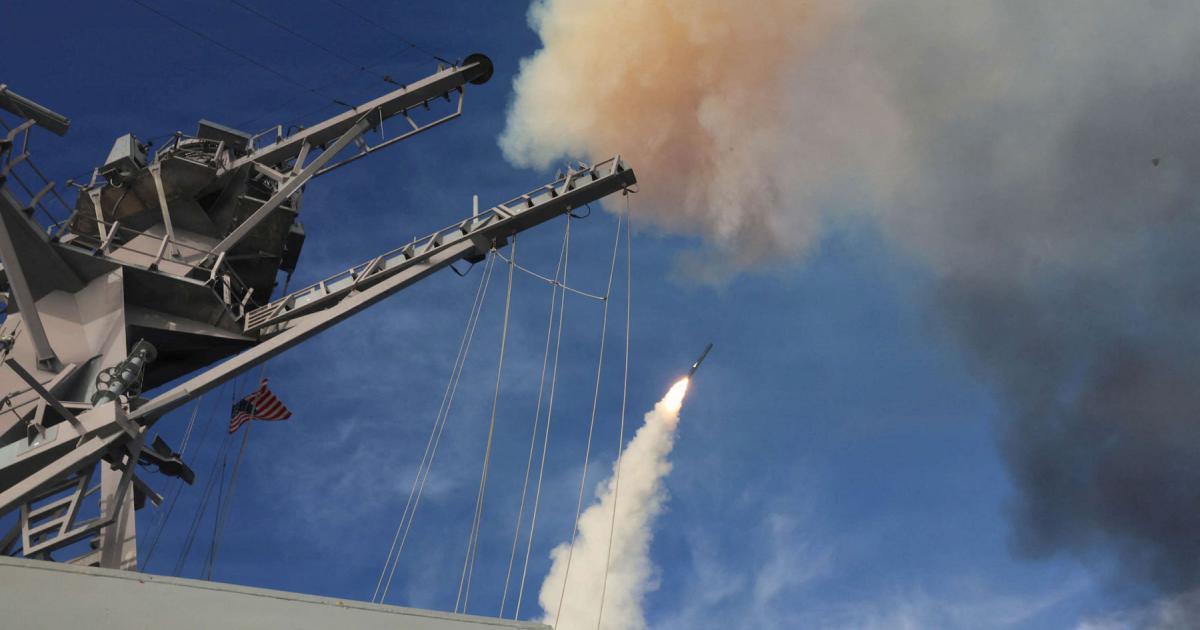
The U.S. military has completed a third round of strikes against Iran, hitting roughly 140 Iranian military targets this week alone — part of more than 300 targets struck over three nights, according to CENTCOM. The campaign aims to destroy Iran's ability to threaten commercial ships passing through the Strait of Hormuz, one of the world's most critical oil routes.
Iran fired back hard. Tehran launched missiles and drones at Bahrain, Qatar, and the United Arab Emirates in retaliation for the latest U.S. strikes, according to Free Malaysia Today. Iran also declared the Strait of Hormuz closed until further notice — a move that rattles global energy markets, since the strait carries roughly one-fifth of the world's oil and liquefied natural gas shipments.
What Triggered the Third Round of US Strikes
The latest strikes came after Iran's Revolutionary Guard Corps attacked a Cyprus-flagged container ship called the M/V Galaxy in the Strait of Hormuz, according to Head Topics. The ship suffered major engine-room damage. A civilian crew member went missing. President Trump ordered the strikes in direct response.
CENTCOM said the strikes hit missile and drone launch sites, naval facilities, ammunition storage, communications networks, and coastal surveillance locations. Since early May, U.S. forces say they have guided more than 800 commercial vessels and 400 million barrels of crude oil safely through the strait. Washington vowed to keep raising the cost for Iran's attacks on civilian shipping.
Iran Widens Its Strike Campaign Across the Gulf
Iran's response went far beyond the strait. Tehran fired missiles and drones at three of its Gulf neighbors — Bahrain, Qatar, and the UAE — according to Morning Chronicle. Qatar's government reported missile interceptions and issued emergency alerts. Bahrain and the UAE both warned their populations of incoming attacks. No immediate casualties were reported.
Iran also shut the Strait of Hormuz and said it would stay closed until further notice, according to Free Malaysia Today. That threat sent shockwaves through energy markets. The strait is the single most important oil chokepoint on the planet. About one-fifth of all global oil and LNG passes through it every day.
Ceasefire Collapses as Trump Leaves Door Open to Talks
President Trump publicly confirmed that an interim ceasefire had ended. He authorized the new strikes and signaled that U.S. military pressure would continue, according to Middle East Online. At the same time, Trump left open the possibility of talks toward a permanent deal — though no negotiations appear imminent.
Iran warned of a severe response to any further U.S. action. The standoff has put Gulf states — many of them U.S. allies — in the middle of a dangerous crossfire. Missile alerts in Doha and Abu Dhabi mark a sharp escalation from what began as a maritime dispute over shipping rights.
Global Energy Supply Hangs in the Balance
The Strait of Hormuz closure poses a direct threat to world energy supplies. The strait handles roughly one-fifth of global oil and LNG shipments each day. If the closure holds, analysts expect sharp price spikes in oil markets worldwide. No alternative route can move that volume quickly.
U.S. forces have worked to keep the strait open since early May, facilitating over 800 vessel transits and the movement of 400 million barrels of crude, according to CENTCOM. But with Iran now formally declaring the strait shut and striking multiple Gulf neighbors, the pressure on global shipping — and energy prices — is growing by the hour.
Sentiment
Mostly NegativeNEGATIVENEUTRALPOSITIVE
Publishers
140
Articles
436
Reach
576
Topics
A
AnonymousAuthor


