Gulf Conflict Escalates
US Strikes Iran, Targets 80+ Sites as Gulf Tensions Escalate Amid Retaliation Claims
Anonymous
Key Points
1
CENTCOM reported a large-scale strike campaign targeting Iran, saying more than 80 targets were hit with precision-guided munitions, including air-defence and coastal radar sites, command-and-control networks, anti-ship missile capabilities, and more than 60 small IRGC vessels around the Strait of Hormuz.
2
The IRGC publicly claimed it attacked US bases in retaliation, with an initial response said to have targeted 85 locations at US military facilities.
3
UK Maritime Trade Operations (UKMTO) reported attacks on multiple vessels near Oman, including a Qatari LNG tanker; one vessel was struck by a projectile overnight and two more were later hit, with at least one hit by a drone.
4
Bahrain reported loud explosions and air-raid sirens after recent tensions, marking the first such incident since Bahrain said it intercepted Iranian drones and missiles on June 28, as Iran warned that any site enabling US attack would be a legitimate target.
5
The United States revoked a temporary oil sanctions waiver that had allowed Iran to produce and sell crude through August 21, while U.S. forces carried out fresh strikes on Iranian targets after three tankers were hit near the Strait of Hormuz, with the action framed as protecting international maritime trade.
The United States carried out large-scale strikes on Iran, with CENTCOM reporting hits on more than 80 targets — including air-defense systems, coastal radar sites, command-and-control networks, anti-ship missile capabilities, and more than 60 small Iranian naval vessels near the Strait of Hormuz, according to BBC. Iran's top military command, Khatam al-Anbiya Central Headquarters, vowed a "crushing response," calling the strikes a "blatant act of aggression," EnergyNow reported.
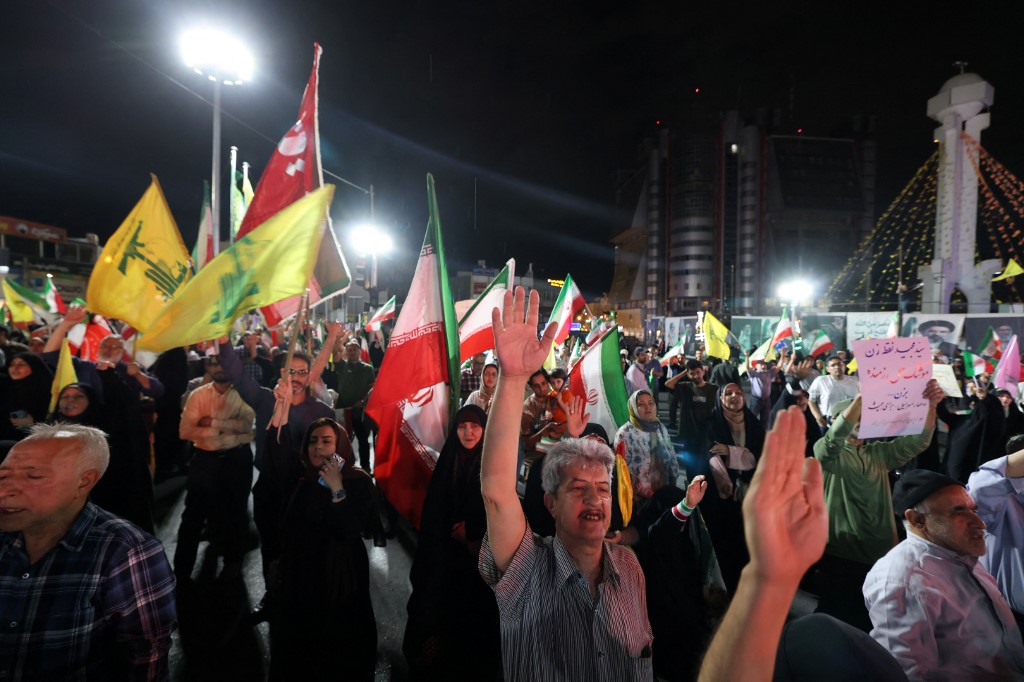
Iran's Islamic Revolutionary Guard Corps (IRGC) — the country's elite military force — claimed it struck back, saying it targeted 85 locations at US military facilities. The exchanges have driven oil prices higher and put one of the world's most critical shipping lanes under direct threat.
Tanker Attacks Sparked the Latest US Strike Wave
Three oil tankers were struck near the Strait of Hormuz, triggering the US military response. UK Maritime Trade Operations (UKMTO) reported attacks on multiple vessels near Oman, including a Qatari liquefied natural gas (LNG) tanker. One ship was hit by a projectile overnight. Two more were hit later — at least one by a drone. The US framed its strikes as protecting international maritime trade.
The Strait of Hormuz is a narrow waterway between Iran and Oman. About 20% of the world's oil passes through it. Any disruption there sends shockwaves through global energy markets. The US also revoked a temporary waiver that had allowed Iran to produce and sell crude oil through August 21, tightening economic pressure on Tehran.
Bahrain Explosions and Iran's Escalating Warnings
Loud explosions and air-raid sirens were reported across Bahrain, according to Middle East Eye. It was the first such incident since June 28, when Bahrain said it intercepted Iranian drones and missiles. Iran warned that any site enabling a US attack would be a "legitimate target" — a direct signal to US allies hosting American military forces in the Gulf.
Bahrain hosts the US Navy's Fifth Fleet. Iran's warning puts Gulf states in a difficult position. Supporting US operations could invite retaliation. The threat marks a sharp escalation in Iran's public messaging toward countries that host American forces.
Southern Iran Hit Near Qeshm Island and Bandar Abbas
Reports circulated of additional US strikes on southern Iran, near Qeshm Island and the port city of Bandar Abbas — two strategically important locations along the Strait of Hormuz. Official confirmation of these specific strikes remained pending. Iran's Khatam al-Anbiya Central Headquarters accused the US of hitting parts of southern Iran and promised a crushing response, EnergyNow Canada reported.
Qeshm Island sits at the mouth of the Strait of Hormuz. Bandar Abbas is Iran's largest port and a key hub for its naval forces. Strikes in these areas would directly threaten Iran's ability to control or block the strait — and signal a broader US effort to degrade Iran's maritime power.
Oil Markets Surge as De-escalation Calls Grow Louder
The conflict has pushed oil prices sharply higher. Tanker attacks and the threat of a Strait of Hormuz closure have rattled energy markets worldwide. The US also tightening oil sanctions on Iran adds further pressure on global supply. Diplomatic efforts are ongoing, with NATO discussions in Ankara touching on regional security alongside President Trump's defense-spending demands and Turkiye-related issues.
Calls for de-escalation are growing, but both sides are still striking. Iran has promised more retaliation. The US has not signaled it will stop. With both sides hitting military targets and tanker attacks continuing near the world's most important oil chokepoint, the risk of a wider conflict remains high.
Sentiment
Mostly NegativeNEGATIVENEUTRALPOSITIVE
Publishers
173
Articles
813
Reach
986
Topics
A
AnonymousAuthor


