US-Iran Strait Conflict
US Military Strikes Iran Following Ship Attacks; Tehran Targets Bahrain and Kuwait Amid Oil Limits
Anonymous
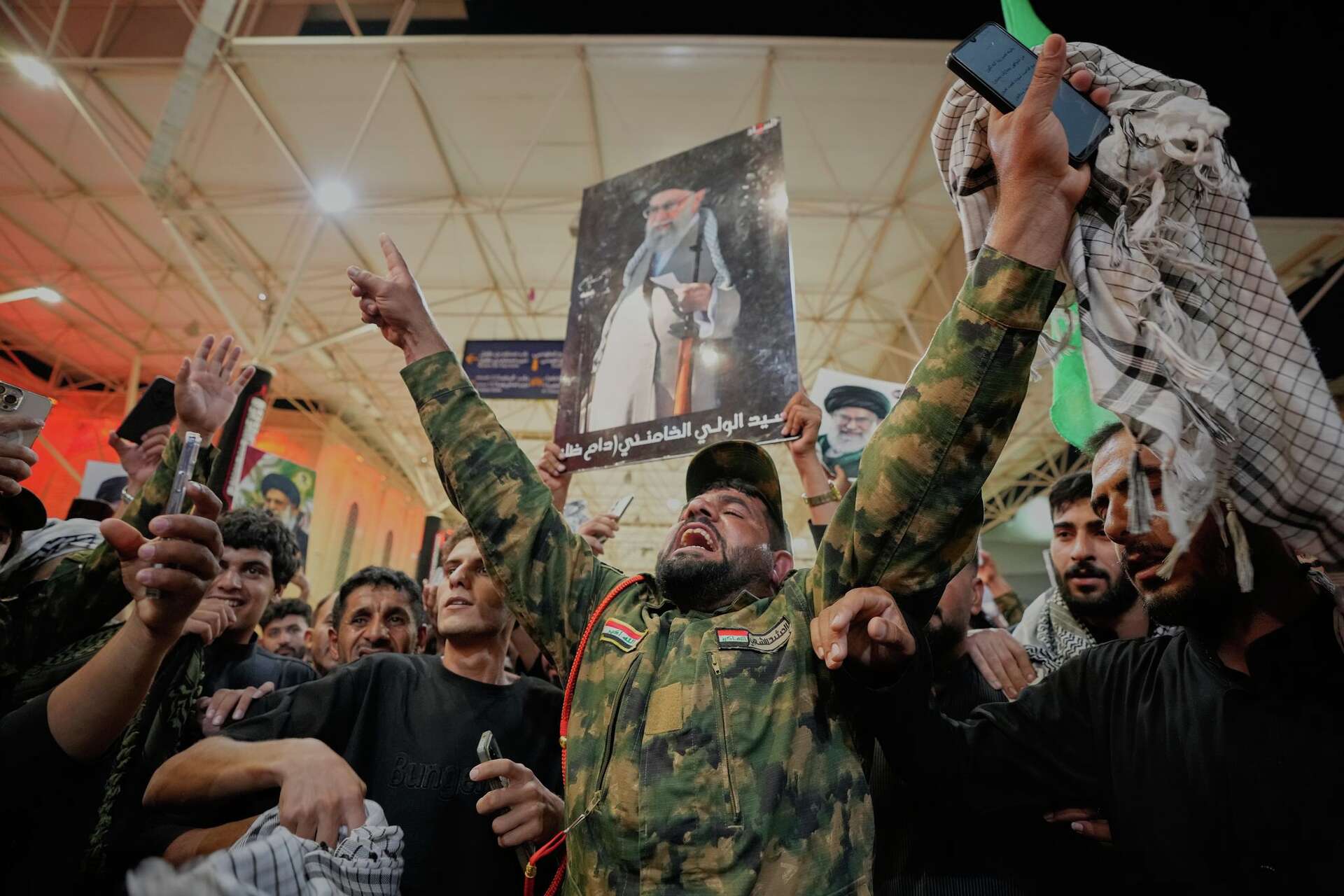
The U.S. military struck Iran on Wednesday after Washington claimed Tehran attacked three ships in the Strait of Hormuz, according to SF Gate. The assault was paired with a sweeping economic move — the U.S. also revoked Iran's ability to openly sell crude oil on global markets.
Iran hit back fast. Tehran launched strikes targeting Bahrain and Kuwait, two Gulf nations that host major U.S. military bases, according to WDRB. The escalation sent shockwaves through global energy markets and raised fears of a wider regional war.
Iran Attacks Three Ships in the Strait of Hormuz
The crisis began when Iran struck three commercial ships passing through the Strait of Hormuz, according to Dayton Daily News. The strait is one of the world's most critical oil shipping lanes. About 20% of all global oil passes through it each day. Any disruption there rattles energy markets worldwide.
Washington said the ship attacks were the trigger for its military response. The U.S. struck Iranian targets on Wednesday as a direct consequence, according to Post Register. The strikes mark one of the most significant direct U.S. military actions against Iran in years.
US Cuts Off Iran's Oil Sales Alongside Military Strikes
Along with the military strikes, the U.S. revoked Iran's ability to openly sell crude oil, according to Rutland Herald. This is a major economic blow. Iran earns billions of dollars each year from oil exports. Cutting off those sales is designed to squeeze Tehran's government and limit its ability to fund military operations.
The dual approach — military force plus economic pressure — signals that Washington wants to hit Iran on two fronts at once, according to Herald Bulletin. It mirrors past U.S. strategies of combining sanctions with military deterrence to force a change in behavior.
Tehran Strikes Bahrain and Kuwait in Retaliation
Iran did not wait long to respond. Tehran targeted Bahrain and Kuwait following the U.S. military strikes, according to Goshen News. Both countries host significant U.S. military infrastructure. Bahrain is home to the U.S. Navy's Fifth Fleet, which oversees operations across the Gulf region.
The strikes on Gulf neighbors mark a sharp escalation. Iran is now hitting U.S. allies directly, not just American forces, according to Union Bulletin. This raises the risk of pulling more countries into the conflict and destabilizing the broader Middle East region.
Gulf Tensions Threaten Global Energy Supply Chains
The Strait of Hormuz is the world's most important oil chokepoint. If Iran blocks or disrupts it further, oil prices could spike sharply. Any sustained closure would hit global energy supplies hard, according to HJ News. Markets were already on edge before Wednesday's strikes.
The combination of U.S. oil sanctions on Iran and active fighting near the strait creates a dangerous mix for global energy prices, according to Oskaloosa. Traders and governments worldwide are watching closely to see whether the conflict spreads — or whether diplomacy can step in before the situation gets worse.
Sentiment
NeutralNEGATIVENEUTRALPOSITIVE
Publishers
12
Articles
11
Reach
12
Topics
A
AnonymousAuthor


