Hormuz Strait Escalation
US Strikes Iran Targets After Ceasefire Ends, Triggering Retaliation and Oil Price Spikes
Anonymous
Key Points
1
U.S., Qatar, and Saudi Arabia attributed the attacks on commercial shipping to Iranian forces, while Tehran denied involvement.
2
Three tankers were attacked in the Strait of Hormuz, prompting U.S. retaliation against 80 Iranian targets and a raised threat level described as 'severe' for the Middle East Maritime Region.
3
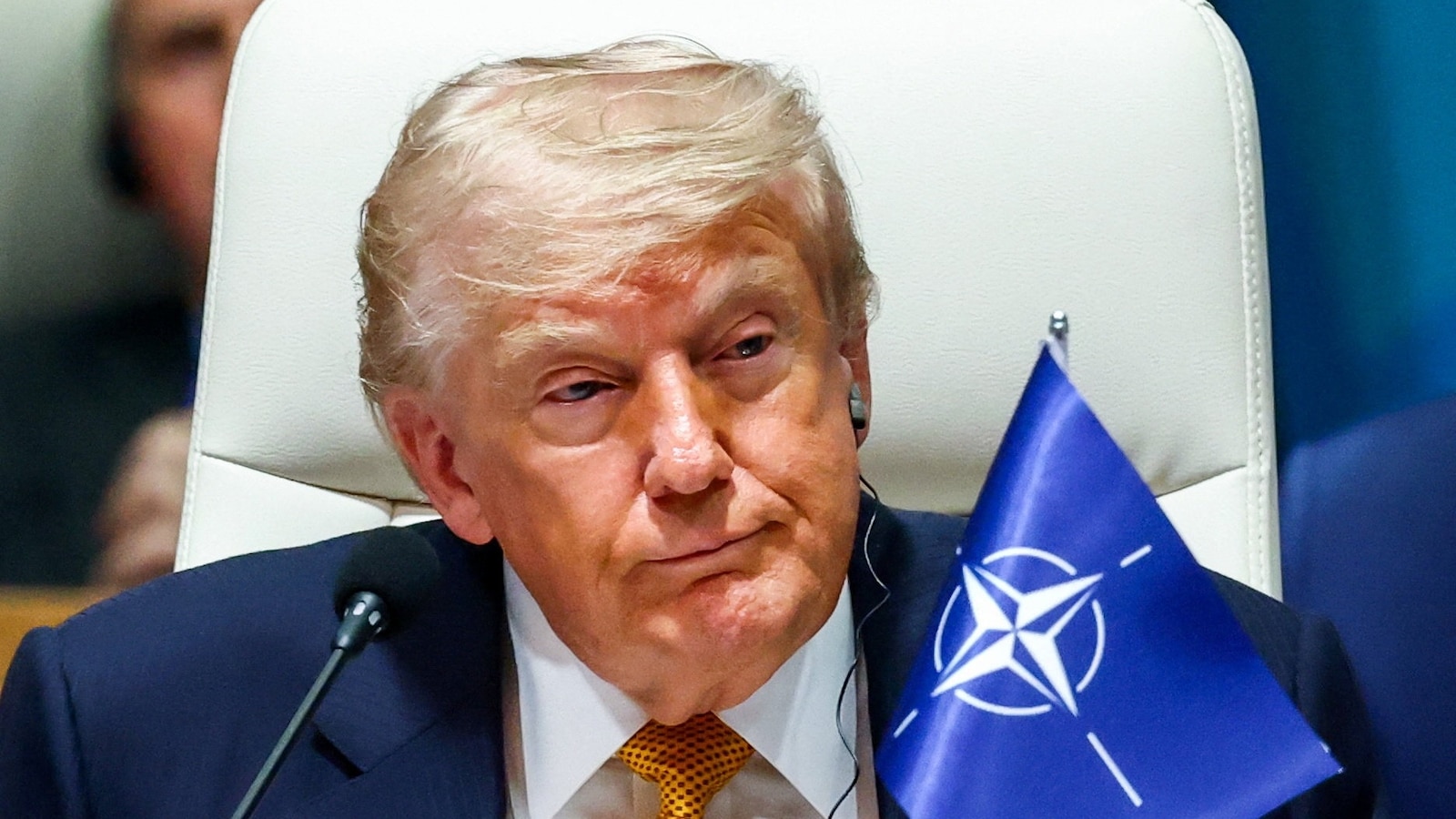
At the NATO summit in Ankara, Trump broadened his criticism of NATO over Greenland and threatened to cut off all trade with 'terrible Spain.'
4
Iran’s Parliament Speaker Mohammad Bagher Qalibaf issued a defiant statement: 'The era of bullying and extortion is over.'
5
U.S. Central Command described its strikes as hitting air defense systems, radars, and more than 60 small boats used by Iran’s Revolutionary Guard Corps.
President Donald Trump declared the U.S.–Iran ceasefire "over" on Wednesday, calling Iranian leaders "scum" and "sick people" while speaking at the NATO summit in Ankara. The collapse came after three commercial tankers were attacked in the Strait of Hormuz on July 6, prompting the U.S. to strike more than 80 Iranian targets overnight, according to ABC News.
Iran fired back, launching strikes against U.S. military bases in Kuwait and Bahrain. Brent crude oil jumped more than 5% to $78.09 per barrel. About 20% of all global oil passes through the Strait of Hormuz, making the escalation an immediate threat to world energy supplies, WCVB reported.
How a Three-Week Ceasefire Fell Apart in Hours
The June 17 Memorandum of Understanding gave both sides a 60-day window to reach a permanent deal. It reopened the Strait of Hormuz and paused U.S. oil sanctions on Iran in exchange. The deal held for just three weeks. On July 6, Saudi and Qatari vessels were among three tankers attacked in the strait. The UK Maritime Trade Operations agency raised the maritime threat level to "severe," according to KCCI.
The U.S. responded by revoking its oil sanctions waiver on July 7. That same night, U.S. Central Command struck over 80 Iranian targets, hitting air defense systems, radars, and more than 60 small fast-attack boats used by Iran's Revolutionary Guard Corps. Iran then struck back at 85 U.S. facilities in Kuwait and Bahrain. By Wednesday morning, Trump was declaring the agreement dead.
Trump's Fiery Words and Mixed Signals on Diplomacy
Trump did not hold back in Ankara. "I don't want to deal with them anymore," he said. "They're scum. They're sick people. They're led by sick people, and they're vicious, violent people." He also warned of more strikes, saying the U.S. "very probably" would hit Iran again that night. But he left the door open for talks, saying negotiations could continue through his team, according to ABC News.
Iran's Parliament Speaker Mohammad Bagher Qalibaf pushed back hard. He accused Washington of violating the deal first by snapping back oil sanctions. "The era of bullying and extortion is over," Qalibaf said. "It leads nowhere. We don't fold." Iran's Foreign Ministry also said the U.S. breach of Section 10 of the agreement made Tehran's actions legitimate self-defense, Gulf Coast News Now reported.
Oil Prices Spike as Strait of Hormuz Hangs in the Balance
Energy markets reacted sharply. Brent crude rose more than 5% to $78.09 per barrel. WTI crude climbed to $73.50. European stock markets dropped 2% on Wednesday morning. Analysts warn that a full closure of the Strait of Hormuz — which Iran has threatened — could push crude prices well past $100 per barrel and tip the global economy into recession, according to WCVB.
The June 17 deal had promised Iran access to $24 billion in frozen assets and relief from oil sanctions. Those terms are now suspended. U.S., Qatar, and Saudi Arabia all blamed Iran for the tanker attacks. Tehran denied involvement. The standoff leaves global shippers facing a threat level described as "severe" for the entire Middle East maritime region, KCCI reported.
Trump Fires at NATO Allies as Ankara Summit Fractures
Trump used the NATO summit to broaden his attacks. He threatened to cut off all trade with Spain after Prime Minister Pedro Sánchez blocked U.S. forces from using Spanish airspace and bases. Trump ordered Treasury Secretary Scott Bessent to halt all commercial ties with what he called "terrible Spain." Spain's Health Minister Monica García shot back: "Terrible is to confuse diplomacy with thuggery," ABC News reported.
Trump also revived demands for Denmark to hand over Greenland. Danish Prime Minister Mette Frederiksen responded: "Of course we will defend the kingdom of Denmark." NATO Secretary General Mark Rutte sided with Washington on Iran, saying it was "totally crucial" that the U.S. respond forcefully. But the dispute with Spain risks fracturing the alliance at a moment of peak global instability, according to WCVB.
Sentiment
Mostly NegativeNEGATIVENEUTRALPOSITIVE
Publishers
37
Articles
82
Reach
119
A
AnonymousAuthor


