Building the Oilers' Defense
Stan Bowman Aims to Replicate Chicago Defensive Success with New Oilers Prospects
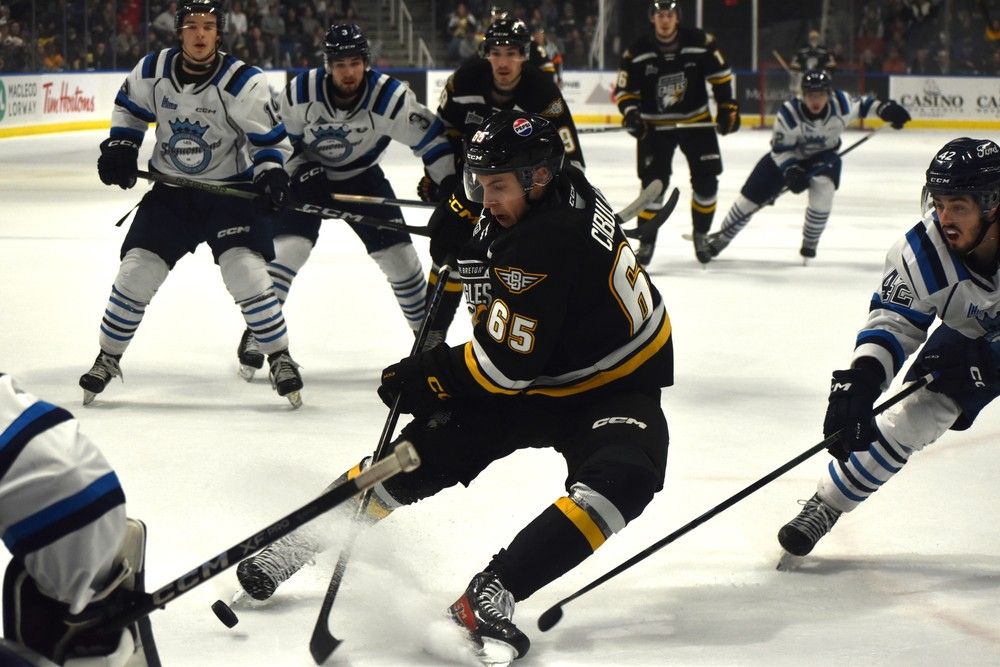
Stan Bowman is betting he can repeat his Chicago success in Edmonton by signing mobile, puck-moving defencemen on the cheap. The Oilers GM just inked 22-year-old Czech defenceman Tomáš Cibulka to a two-year entry-level deal, hoping he'll follow the same trajectory as the defensive prospects Bowman developed during his 2012–2016 run with the Blackhawks—players like Gustav Forsling, Michal Kempny, and Erik Gustafsson who all became NHL contributors.
Cibulka fits the mold: fast on his skates, dangerous with the puck, and relentless defensively. Cult of Hockey ranked him 8th overall in the Oilers' summer prospect rankings. For an Edmonton team squeezed by cap limits and stripped of draft picks, landing young European talent at bargain rates is essential to staying competitive.
The Blackhawks Blueprint: Five Years of Smart Scouting
Between 2012 and 2016, Bowman engineered one of the shrewdest defensive turnarounds in recent NHL history. He acquired Johnny Oduya, Trevor Daley, Gustav Forsling, Michal Kempny, and Erik Gustafsson—mostly as low-cost free agents or minor trades—and molded them into cornerstone pieces according to multiple reports. All five went on to solid or excellent NHL careers, anchoring Chicago's depth on the blue line.
What made these signings work? Each player shared three traits: exceptional skating ability, comfort moving the puck forward, and grit when defending. Bowman didn't chase big names or overpay. He identified undervalued talent and gave it a chance to develop. The Edmonton Journal notes that this approach kept the Blackhawks competitive while avoiding massive salary commitments.
Why Edmonton Needs Cheap, Ready-Made Talent
The Oilers have a problem: they keep trading draft picks to stay in their Stanley Cup window now. With Connor McDavid and Leon Draisaitl consuming most of the salary cap, the team has just $4.72 million in wiggle room for 2026–27, according to cap trackers. That leaves little room for traditional prospect development or free-agent splurges.
Bowman's solution is to target European and U.S. college free agents aged 22 to 26. They cost nothing or next-to-nothing to sign. If they pan out, they fill depth roles at a fraction of the price of an unrestricted free agent. If they don't, the downside is minimal. Cibulka represents exactly this bet—a low-risk, potentially high-reward piece for Edmonton's immediate future.
Cibulka's Path: From Czech League to NHL Depth
Cibulka, 6 feet tall and 176 pounds, scored 42 points in 90 games for HC Motor České Budějovice in the Czech Elite League. According to reports, he also appeared in the U20 World Juniors and logged three years in the QMJHL. His blend of mobility and composure under pressure mirrors the profile Bowman targeted a decade ago in Chicago.
The Oilers will likely send Cibulka to their AHL affiliate, the Bakersfield Condors, for seasoning before calling him up. If he succeeds, he becomes another arrow in Edmonton's depth quiver. If he struggles, the organization loses little. Cult of Hockey voters seem convinced enough—they ranked him 8th in prospect potential, suggesting scouts see legitimate NHL upside.
Can Lightning Strike Twice in Edmonton?
The Blackhawks' success with this model happened more than a decade ago. The NHL has evolved. Scouting is sharper, and talent is harder to find on the margins. Some analysts warn that while cheap depth signings help, they cannot replace proven NHL starters for a veteran team racing against the clock.
Still, Bowman has little choice. Edmonton's window is now, and traditional recruiting tools are off the table. If Cibulka becomes even a serviceable third-pair defenceman, the gamble pays off. If five prospects emerge as useful contributors, Bowman proves he still has the touch. The 2026–27 season will tell whether his Blackhawks magic travels north.
Sentiment
NeutralPublishers
29
Articles
28
Reach
29


