Blueberry's Scientific Legacy
Explore the Journey of Blueberries, From Wild Food to Global Commodity, Powered by Scientific Breeding
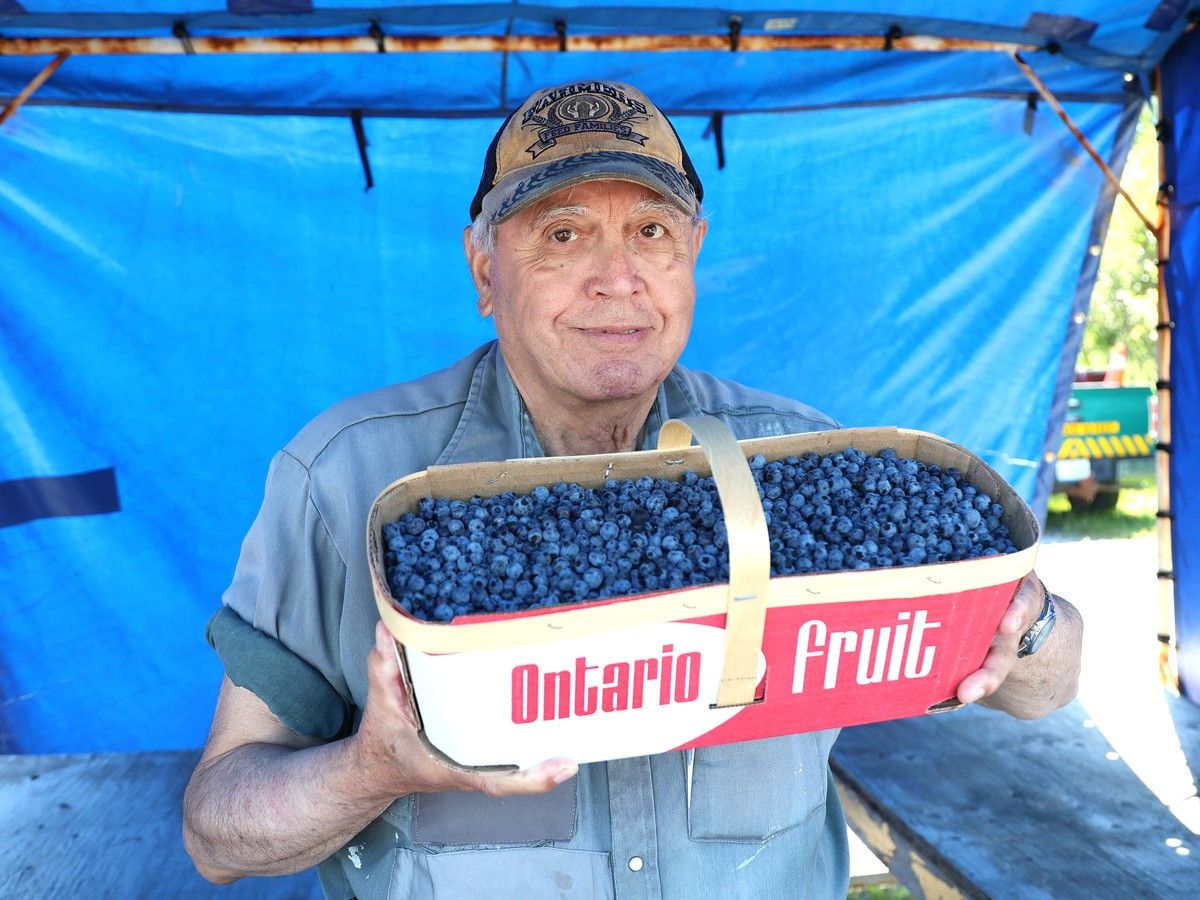
The humble blueberry has traveled a long road — from wild North American forest floor to global commodity. That journey began in earnest in 1910, when one determined woman in New Jersey decided to tame it, according to The Sudbury Star.
Today, blueberries are bred by scientists around the world to survive shipping, resist disease, and withstand machine harvesting. But the story of how they got there is rooted in one patch of acidic New Jersey soil — and the curiosity of a cranberry farmer's daughter.
How Elizabeth Coleman White Domesticated the Blueberry
In 1910, Elizabeth Coleman White grew up on her father's cranberry farm in New Jersey's Pine Barrens. She noticed that blueberries grew wild and plentifully there. She figured out why: blueberries need acidic soil, and the Pine Barrens had it in abundance, according to Chatham Daily News.
White hired local woodsmen to scout the forest for the bushes that produced the biggest, most abundant berries. She brought those plants back and cultivated them. By 1916, she had done something no one had done before — harvested the first commercial crop of cultivated highbush blueberries, Fort McMurray Today reported.
From Pine Barrens to Global Breeding Programs
What White started with sharp eyes and local woodsmen, scientists now do with DNA. Researchers around the world run sophisticated blueberry-breeding programs. They use genetic information to select for the same traits White hunted for by hand — high yield, great flavor, and resilience, according to Stratford Beacon Herald.
Modern breeding focuses on varieties that can tolerate heat, resist disease, survive long shipping routes, and hold up under mechanical harvesting. The blueberry has been engineered, in effect, for the demands of a global food system — a long way from the wild forest floor.
What Makes Blueberries Worth All the Fuss
Blueberries pack a solid nutritional punch. They provide fibre, vitamin C, vitamin K, and manganese. They also contain anthocyanins — the natural compounds that give the berry its deep blue-purple color and are linked to health benefits, according to Cold Lake Sun.
Anthocyanins act as antioxidants in the body. They are the reason blueberries are often called a "superfood." While that word gets overused, the underlying science is real. Few fruits offer so many nutrients in such a small package.
Growing Your Own: A Surprisingly Accessible Garden Crop
The same principle White discovered over a century ago still applies in your backyard: blueberries need acidic soil to thrive. Home growers can achieve this by amending their soil or planting in containers with the right mix. The plants are long-lived and can produce fruit for decades, according to Paris Star.
Highbush varieties — the same type White first cultivated in 1916 — are among the most popular for home gardens today. They grow well in many climates and reward patient gardeners with reliable annual harvests. Staying grounded with a blueberry bush, it turns out, is both literal and deeply historical.
Sentiment
NeutralPublishers
13
Articles
13
Reach
13


