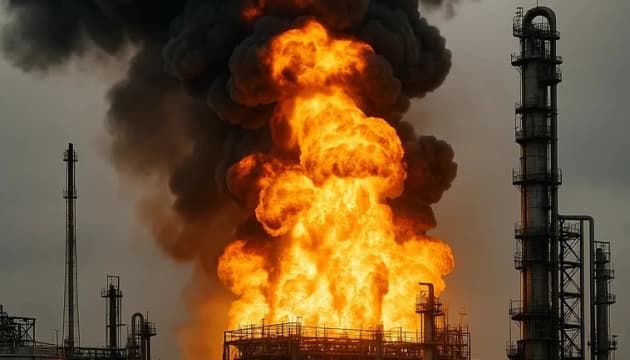
Iran Fuel Shortages
Long gas lines form in Iran amid fuel shortages and new US sanctions.
Anonymous
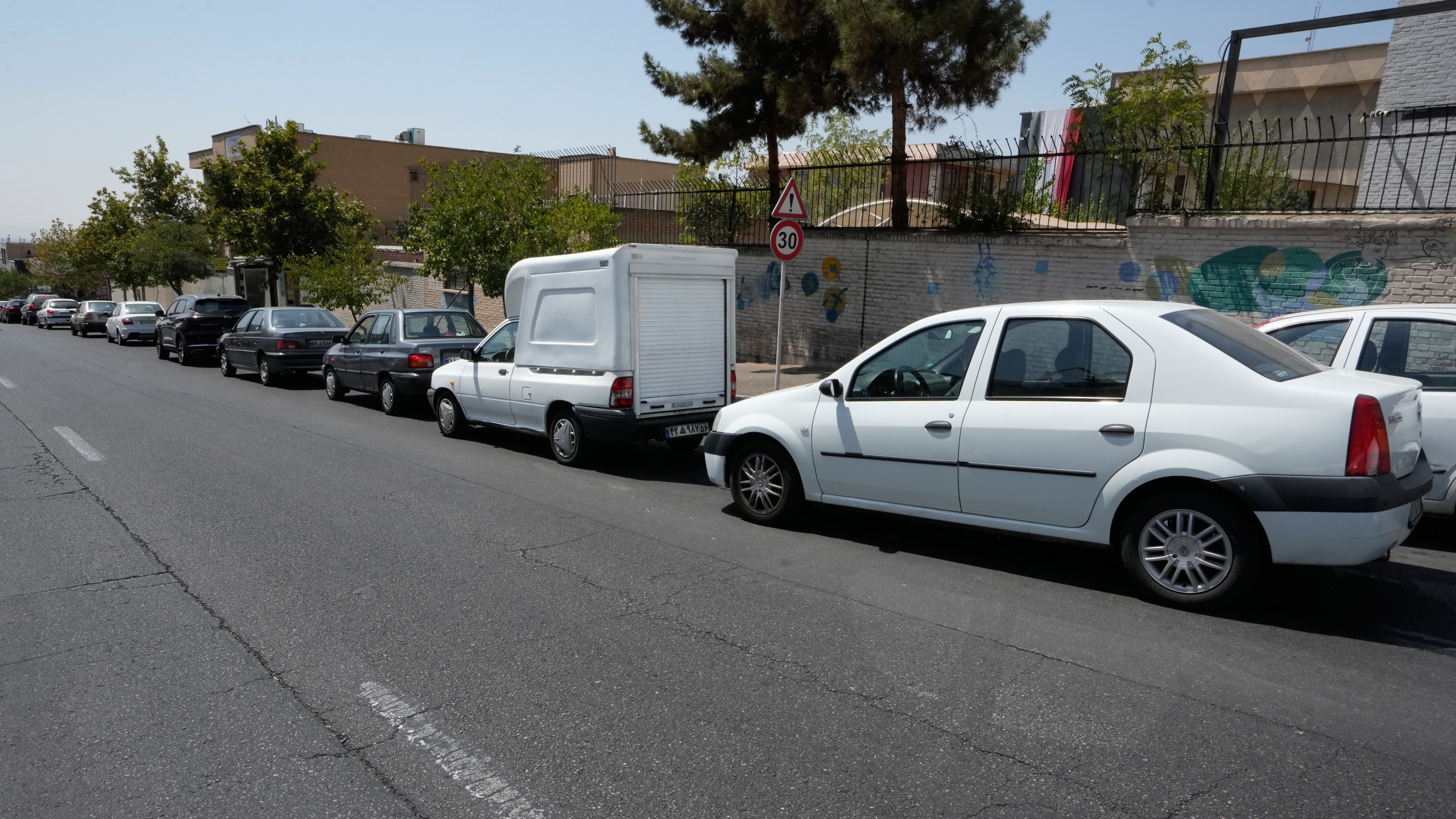
Long lines have formed outside gas stations across Tehran as Iran faces mounting fuel shortages and fears of price spikes. KDH News reports that Iranians are rushing to fill their tanks amid tightening U.S. sanctions and threats of even harsher restrictions. Yet despite the visible pain at the pump, Iran's leaders show no signs of backing down to American pressure.
The U.S. has steadily tightened its economic blockade on Iran. Journal News reports that Treasury Secretary Scott Bess has threatened additional severe sanctions. The fuel crisis reflects Iran's struggle to maintain energy supplies while cut off from global markets.
Gas Shortages Hit Iran's Capital Hard
Tehran residents are facing serious fuel shortages for the first time in months. KDH News describes long queues forming outside gas stations as people panic-buy before prices rise further. The shortages stem from Iran's inability to import refined fuel due to U.S. sanctions blocking access to international markets and shipping routes.
Prices are climbing as supply dwindles. Motorists worry that rationing could come next. The government has been rationing fuel before during past sanction periods, but officials have not announced new rationing plans yet.
U.S. Tightens the Economic Noose
The United States has steadily escalated its economic blockade on Iran over the past year. Journal News reports that Treasury Secretary Scott Bess has signaled even tougher sanctions ahead. These moves target Iran's oil exports, banking system, and access to refined petroleum products.
The goal is clear: force Iran to change its behavior through economic pain. But the strategy has a critical weakness. Voice of Alexandria notes that Iran's leaders have withstood decades of sanctions without surrendering core policies.
Tehran Shows No Sign of Backing Down
Despite the hardship visible on Tehran's streets, Iran's government remains defiant. Post Register reports that officials continue rhetoric rejecting American demands. They frame the sanctions as unjust U.S. imperialism rather than consequences of their own choices.
Historical precedent suggests this stance could hold. Iran endured severe sanctions in the 1980s and 2010s without capitulating. The regime views economic pain as a test of national resolve. Backing down now would mean losing face with both rivals and its own citizens.
The Calculus Behind Iran's Resistance
For Iran's leaders, the political cost of surrender exceeds the economic cost of sanctions. Erie News Now reports that the government frames resistance to sanctions as resistance to Western domination. Giving in would undermine this core identity.
Meanwhile, ordinary Iranians absorb the pain. Long gas lines and rising prices squeeze household budgets. Yet public anger has not translated into pressure on leaders to negotiate. The regime controls media and security forces, limiting dissent from spreading into political change.
Sentiment
NeutralNEGATIVENEUTRALPOSITIVE
Publishers
9
Articles
9
Reach
9
Topics
A
AnonymousAuthor