US Border Security Enhanced
Elbit Systems of America Wins $370 Million CBP Contracts for Border Security Tech
Anonymous
Key Points
1
At the Farnborough International Air Show, ESUK highlighted capabilities including the X-Sight Helmet Mounted Display (HMD) and noted ESUK has supplied Uncrewed Aerial Systems (UAS) such as Thor and 17Magni-X to the British Army, enhancing ISR capabilities; ESUK is also a key partner on the Royal Navy’s Maritime Electronic Warfare System Integrated Capability (MEWSIC) programme, providing next-generation electromagnetic warfare systems.
2
CBP awarded two contracts to Elbit America totaling more than $370 million, with values of $230 million and $140 million, to be executed through May 2029.
3
According to the awards, the contracts are for the development and deployment of advanced surveillance and border-security technologies along the U.S. border as part of CBP modernization efforts.
4
Elbit Systems’ CEO Bezhalel (Butzi) Machlis said the awards demonstrate Elbit America’s continued contribution to U.S. security and defense, noting that its advanced and operationally proven worldwide technologies are designed to deliver reliable, real-time situational awareness.
5
Elbit’s U.S. subsidiary has become a significant part of the company’s international footprint, with expansion in the American defense market and growing demand for surveillance, ISR, drones, electronic warfare, and related capabilities amid broader defense spending.
Elbit Systems has won more than $370 million in contracts from U.S. Customs and Border Protection (CBP), the agency that guards America's borders. The deals were awarded to Elbit's U.S. subsidiary, Elbit Systems of America, and work is set to run through May 2029, according to Calcalis Tech.
The awards come in two parts: one contract worth $230 million and another worth $140 million, Nasdaq reported. Together, they push Elbit deeper into the fast-growing U.S. defense market.
Two Big Contracts to Guard the U.S. Border
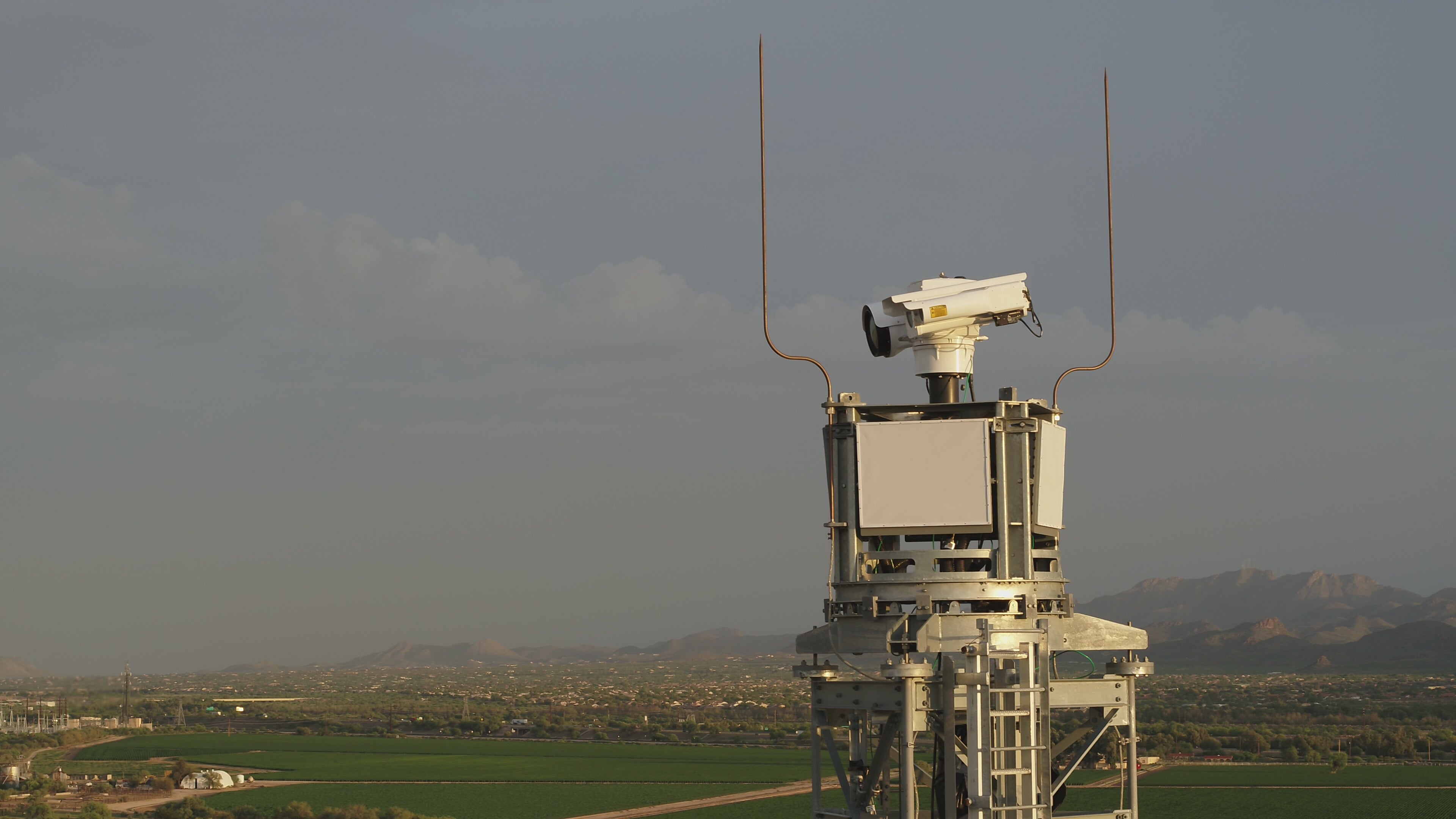
CBP handed Elbit Systems of America two separate contracts. The larger one is valued at $230 million. The smaller one comes in at $140 million. Both focus on building and deploying advanced surveillance and border-security technologies along the U.S. border, according to Calcalis Tech.
The contracts are part of CBP's broader effort to modernize how it watches the border. The systems are designed to give agents real-time awareness of what is happening on the ground, in the air, and at sea. Work will continue through May 2029.
Elbit CEO Says Awards Prove U.S. Defense Value
Elbit Systems CEO Bezhalel Machlis praised the wins. He said the awards show that Elbit America keeps delivering to U.S. security and defense. The company's technologies are "operationally proven" worldwide and built to provide "reliable, real-time situational awareness," Machlis said, as reported by GuruFocus.
The CEO's comments reflect a push by Elbit to prove its worth in the American market. The company has been growing its U.S. footprint steadily. Defense spending in America has risen sharply, and Elbit wants a bigger share of that budget.
Elbit Grows U.S. Presence Amid Rising Defense Spending
The CBP deal is part of a wider push by Elbit into U.S. defense, according to Calcalis Tech. Demand is rising for surveillance drones, ISR systems — tools that collect intelligence, watch targets, and gather data — electronic warfare gear, and related technologies. Elbit makes all of these.
Elbit also showed off its capabilities at the Farnborough International Airshow. There, its UK arm highlighted systems like the X-Sight Helmet Mounted Display and uncrewed aerial drones called Thor and Magni-X. Those drones have already been supplied to the British Army to boost its surveillance abilities.
What the CBP Deal Means for Border Security Tech
CBP has been investing heavily in high-tech tools to watch the border without putting more agents in the field. Elbit's systems are built to do exactly that — covering large areas with sensors and cameras that feed data back to command centers in real time, GuruFocus noted.
The $370 million deal signals that the U.S. government sees Israeli defense technology as a key partner in securing its borders. Elbit's U.S. subsidiary has grown into one of the company's most important international arms, and this contract locks in that relationship for the next four years.
Sentiment
Mostly PositiveNEGATIVENEUTRALPOSITIVE
Publishers
14
Articles
14
Reach
28
A
AnonymousAuthor


