Data Center Insurance Crisis
Meta and BlackRock's Texas Data Center Faces Major Insurance Gap for Catastrophic Events
Key Points
Structure and capital stack: BlackRock owns 80% of the El Paso campus with Meta holding 20%. Meta contributed about $2.3 billion in land and construction-in-progress assets, BlackRock invested roughly $4.9 billion in cash, and about $12.55 billion is financed via bond financing issued by a special purpose vehicle (Sopaipilla Investor LLC).
Residual value guarantee as a de facto insurance substitute: Meta provides a residual value guarantee of approximately $13 billion, which serves as a floor on asset value and declines over time as depreciation occurs, offering downside protection to BlackRock’s investors amid limited traditional insurance.
Partial insurance coverage and notable gaps: The package includes about $427 million in all-risk property coverage during construction and $450 million post-operation, with $50 million per event and $50 million aggregate limit for general liability; rent-abatement coverage around $218 million, terrorism coverage about $645 million, and all-risk property premium near $5 million. Marsh is advising risk analysis, reflecting a broader shift toward partial coverage at ultra-large data-center sites.
Scale, timing and construction status of the project: The campus targets 1 gigawatt of computing capacity over roughly 1,000 acres, with completion expected around 2028; the project cost is about $14 billion, and construction had been underway for roughly six months before the July 28, 2026 formal announcement.
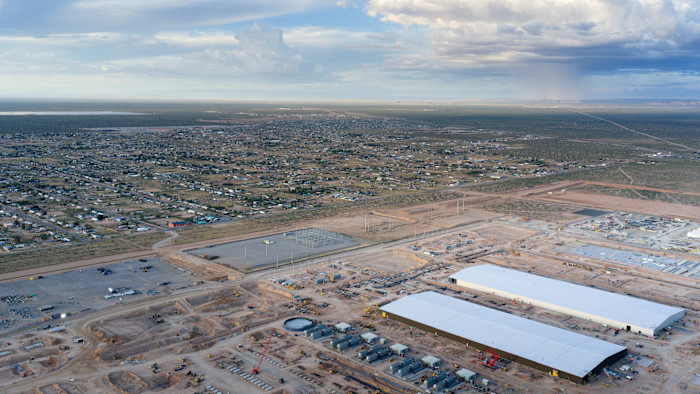
Meta and BlackRock's $14 billion data center campus in El Paso, Texas is too big for traditional insurers to fully cover, according to Financial Times. The 1-gigawatt project — one of the largest AI infrastructure builds ever attempted — carries property insurance of only about $450 million post-construction, a fraction of its total cost.
That gap leaves lenders exposed to potentially billions in uninsured losses if a catastrophic event hits the site. The project spans roughly 1,000 acres and is expected to cost about $14 billion when complete around 2028, Crypto Briefing reported.
A $14 Billion Campus Too Large to Fully Insure
The El Paso campus targets 1 gigawatt of computing capacity — enough to power a small city. Construction has been underway for about six months. The formal announcement came on July 28, 2026. BlackRock holds an 80% ownership stake. Meta holds the remaining 20% and is the sole initial tenant, according to Seeking Alpha.
The insurance package falls well short of full coverage. All-risk property coverage sits at about $427 million during construction and $450 million once operational. General liability coverage is capped at $50 million per event and $50 million in total. Terrorism coverage reaches about $645 million. The all-risk property premium alone costs roughly $5 million, Crypto Briefing noted.
How Lenders Are Protected Without Full Insurance
To fill the gap, Meta provides a residual value guarantee of roughly $13 billion. Think of it as a floor on the asset's value. If the project loses value, this guarantee kicks in to protect BlackRock's investors. The guarantee shrinks over time as the assets depreciate.
The capital stack also includes about $12.55 billion in bond financing, issued through a special purpose vehicle called Sopaipilla Investor LLC. Meta contributed about $2.3 billion in land and construction assets. BlackRock put in roughly $4.9 billion in cash, according to Benzinga.
Insurance Markets Struggling to Price Unprecedented Scale
Risk advisory firm Marsh is helping analyze the coverage strategy, Crypto Briefing reported. Marsh's involvement signals how unusual this situation is. Advisers say the sheer scale of these projects is forcing the insurance industry to rethink how it prices risk. Full coverage is becoming too costly — or simply unavailable.
Partial coverage is now becoming common at ultra-large data center sites. That trend has big implications for lenders. If a catastrophic event destroys a campus worth $14 billion but only $450 million is insured, lenders could absorb losses in the billions. Techmeme noted the El Paso project is not insured against total loss, directly exposing lenders to credit risk.
A Warning Sign for the Broader Data Center Boom
The El Paso project is not an outlier. AI infrastructure spending is surging across the US. Projects of this scale are becoming more common. But the insurance market has not kept pace. Insurers cannot price risk for assets this large with enough confidence to offer full coverage.
That mismatch could slow future deals or raise borrowing costs for developers. Lenders now must decide how much uninsured risk they can stomach. The Meta-BlackRock structure — with its residual value guarantee and partial insurance — may become a template, Seeking Alpha reported. But it leaves a substantial protection gap that the industry has yet to solve.
Sentiment
Mostly NegativePublishers
10
Articles
9
Reach
19


