Trump Strait Proposal
President Trump floats controversial proposal to rename the Strait of Hormuz as Trump Strait amid ongoing regional conflict.
Anonymous
Key Points
1
Tech-map updates reportedly reflect Trump's renaming campaign, with Forbes noting he pushed to rename Gulf of Mexico as the Gulf of America and Lake Ontario as Lake America, and that Google and Apple allegedly updated these labels on their maps.
2
The White House amplified the idea on X with a post featuring a redrawn map labeling the Strait of Hormuz as the Trump Strait.
3
The renaming proposal emerged amid ongoing U.S.–Iran hostilities, coming days after U.S. airstrikes targeting Iranian assets following a strike in Sirik, with Trump publicizing the idea shortly after.
4
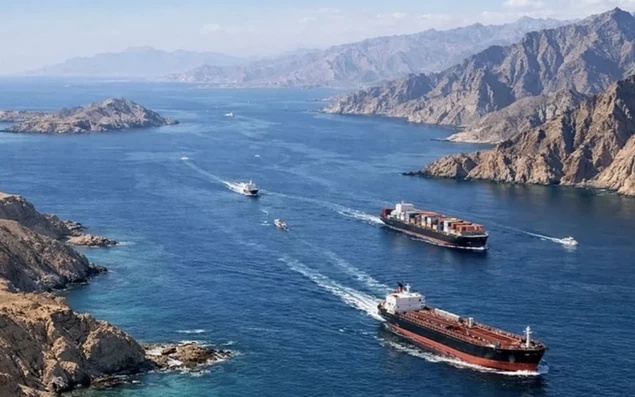
The Strait of Hormuz remains a critical strategic chokepoint—carrying about a fifth of world seaborne oil—and has seen near-daily vessel attacks, contributing to elevated insurance costs and heightened regional risk.
5
Public and media reaction to the renaming idea includes sharp skepticism and condemnatory commentary, including calls for constitutional action, highlighting concerns about the president's fitness to lead.
President Donald Trump has proposed renaming the Strait of Hormuz to the "Trump Strait," according to National Security Journal, as part of a broader pattern of naming changes that also included rebranding the Gulf of Mexico and Lake Ontario. The White House amplified the idea on social media with a redrawn map, but experts say the proposal has little practical effect since the Strait lies outside U.S. territorial control and remains a volatile war zone.
The renaming idea emerged during heightened U.S.–Iran tensions, coming days after American airstrikes targeted Iranian assets in the region. Eastern Herald reports that gas prices have climbed to $4.12 per gallon as the Iran-U.S. conflict enters its seventh month, underscoring the Strait's critical role—it carries about one-fifth of the world's seaborne oil.
Trump's Naming Campaign Across Geography
Trump's renaming effort extends beyond the Strait of Hormuz. Forbes noted that he pushed to rename the Gulf of Mexico as the "Gulf of America" and Lake Ontario as "Lake America," with Google and Apple reportedly updating these labels on their maps. The White House has been amplifying these changes through official channels and social media posts.
The president framed these renamings as assertions of American control and achievement. The Poke satirized the pattern, noting that Trump seems to prefer naming things in his honor over achieving substantive results. The moves reflect a broader strategy of high-visibility branding tied to Trump's leadership.
The Strait's Strategic Importance amid War
The Strait of Hormuz is one of the world's most critical chokepoints. Qazinform reports it carries approximately one-fifth of global seaborne oil. The waterway has experienced near-daily vessel attacks and elevated shipping insurance costs as regional tensions have escalated.
Eastern Herald indicates the proposal comes as the Iran-U.S. conflict enters its seventh month. Recent American airstrikes targeting Iranian military assets have heightened volatility in the region. Any real control over the Strait's status—or even its official name—hinges on regional dynamics beyond unilateral U.S. action.
Legal Limits on Renaming International Waters
National Security Journal emphasizes that Trump cannot legally rename the Strait of Hormuz unilaterally. The waterway lies outside U.S. territorial control, and international maritime law requires broad consensus for official name changes. Renaming requires approval from regional nations and international bodies.
GNA reports that Trump posted the renaming idea on his Truth Social platform, framing it as a statement of American dominance. However, the practical effect remains purely rhetorical. National Security Journal notes that no amount of renaming changes the Strait's geopolitical status or resolves the underlying security challenges that plague the region.
Public Skepticism Over the Proposal
Media and public reaction has been sharply skeptical. The Poke highlighted the absurdity of the renaming idea, with commentators questioning both its feasibility and appropriateness. Some critics raised concerns about the president's judgment and priorities during a time of active regional conflict.
The proposal has drawn comparisons to other controversial naming initiatives and sparked debate about symbolism and geopolitical messaging. As the Iran-U.S. conflict persists and shipping chaos continues in the Strait, experts argue that renaming efforts distract from substantive policy solutions needed to stabilize the region and protect global energy supplies.
Sentiment
Mostly NegativeNEGATIVENEUTRALPOSITIVE
Publishers
21
Articles
223
Reach
244
A
AnonymousAuthor


