Sustainable Pitch, Fan Souvenirs
B.C. Place World Cup Grass Sustainably Recycled; Acrylic Field Souvenirs Offered to Fans
Anonymous
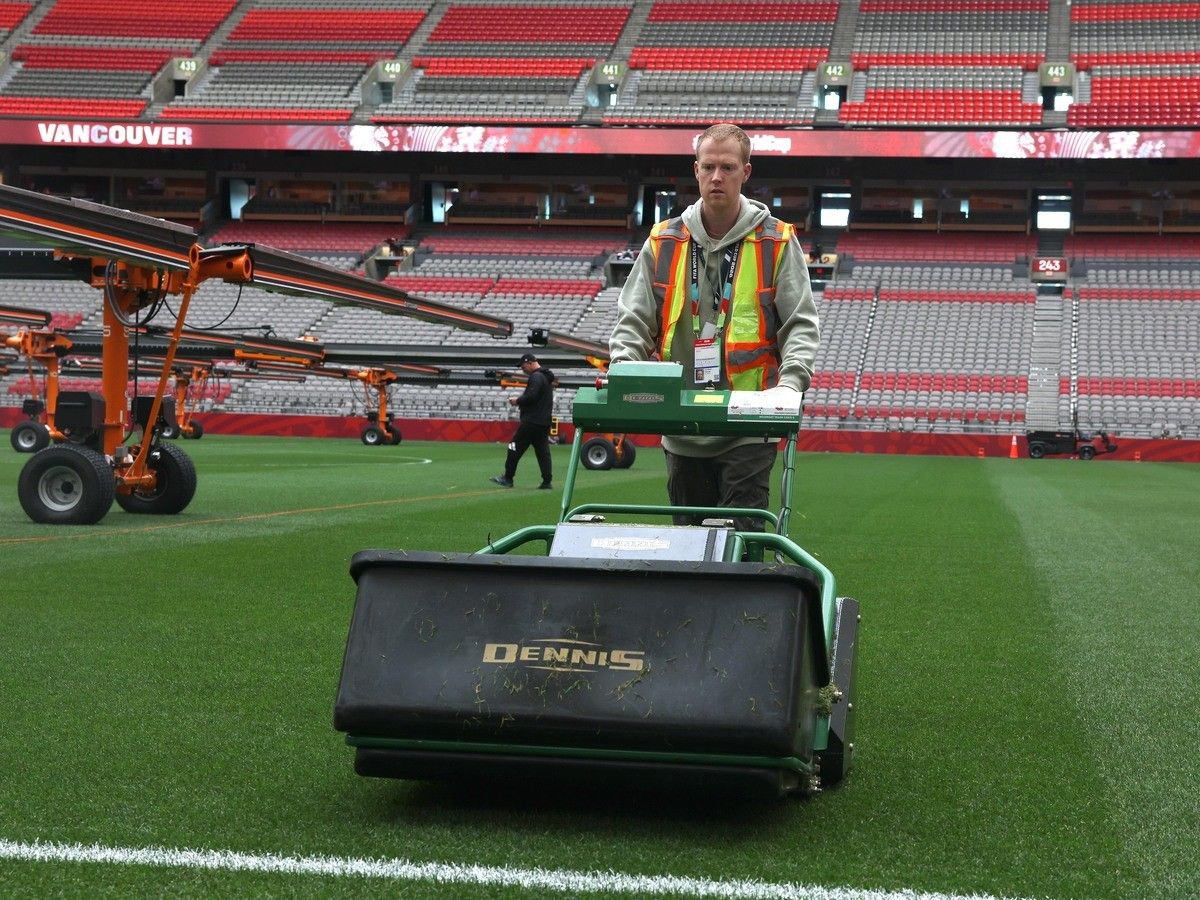
When the final whistle blew at B.C. Place during the 2026 FIFA World Cup, fans hoping to take home a piece of the pitch were out of luck. The Province reported that 99 per cent of the organic material from the temporary grass field was composted and recycled — no auctions, no souvenir slices, and no charity sales. The grass is simply gone.
Meanwhile, fans in the US, Europe, and the UK can spend $450 to get an acrylic block of grass from MetLife Stadium in New Jersey, where the World Cup final was played. The company behind those keepsakes, KeepStub, could make over $11 million if every block sells out, according to Daily Herald Tribune.
B.C. Place Grass Composted, Not Sold to Fans
B.C. Place hosted seven World Cup matches on a temporary natural grass pitch laid over the stadium's regular artificial turf. When the tournament ended, organizers chose a sustainable path. Fairview Post reported that 99 per cent of the organic material was returned through composting and recycling. There was no auction, no charity sale, and no souvenir program for Canadian fans.
Officials said the goal was a responsible, sustainable outcome. The process ensures the material is reused rather than wasted. It sounds noble — but for fans who wanted a piece of history, it stings.
$450 Acrylic Blocks Sell Out Elsewhere, Not Here
Fans outside Canada got a very different deal. KeepStub, the company handling World Cup grass souvenirs, offered acrylic blocks encasing a piece of the MetLife Stadium field for $450 each. Those were available to buyers in the US, Europe, and the UK, according to The Crag and Canyon.
If KeepStub sells every block, Daily Herald Tribune estimates the company could clear more than $11 million. That is a significant sum for what is essentially a chunk of turf in a clear plastic cube. B.C. Place fans got none of that option.
Artificial Turf Returns Beneath the Temporary Grass
B.C. Place normally uses artificial turf. For the World Cup, a temporary natural grass pitch was installed on top of it. Once the tournament ended, that grass was removed. The artificial turf underneath remains. Hanna Herald confirmed the World Cup grass has now been fully cleared away.
The stadium's regular pitch is also getting a refresh. The artificial turf will now be replaced on a three-year cycle instead of the previous five-year schedule. That is a faster turnaround and likely means better playing conditions going forward.
World Cup Legacy: Sustainability Over Sentimentality
The decision to compost the grass rather than sell it reflects a broader FIFA push for sustainable tournament practices. Organizers framed the move as responsible stewardship. But critics might note the irony: fans in New Jersey can buy a $450 keepsake, while Vancouver fans get nothing but good intentions.
The Province noted there was no plan for any form of sale or auction at B.C. Place — not even for charity. Whether that trade-off between sustainability and fan connection was the right call is a question Vancouver supporters may be debating for some time.
Sentiment
NeutralNEGATIVENEUTRALPOSITIVE
Publishers
5
Articles
4
Reach
5
Topics
A
AnonymousAuthor


