Iran Nuclear Talks Stalled
Iran Rejects Nuclear Concessions Amid Stalled U.S. Negotiations and Escalating Tensions
Anonymous
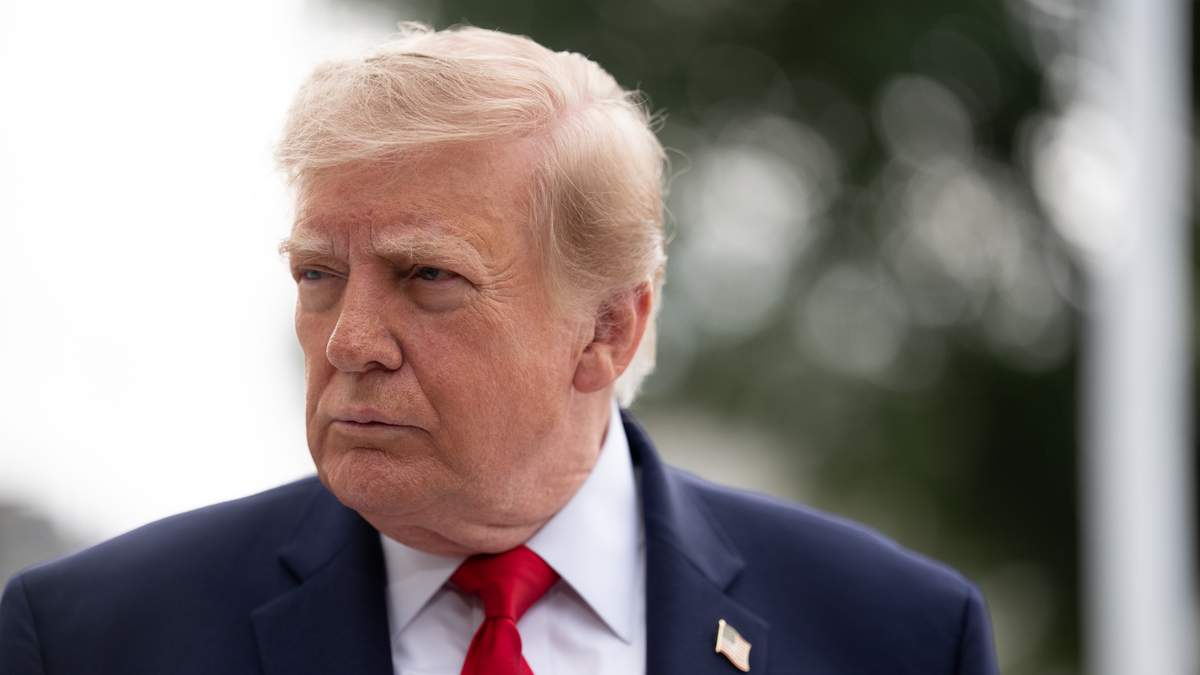
Iran says it will not soften its conditions for reopening the Strait of Hormuz or surrender its national interests under U.S. pressure, while President Donald Trump has rejected Tehran’s latest proposal but suggested negotiations could resume. The proposal reportedly involved phased, reciprocal steps, including reopening the strait, amid efforts to revive a ceasefire and lift the U.S. blockade of Iranian ports. Mediators are pressing Tehran to make concessions on its nuclear program, but reports say Iran’s leadership sees little reason to compromise and has sought guarantees against future Israeli attacks. Analysts warn that concessions by either side may be seen as weakness, leaving a negotiated settlement uncertain as officials trade warnings about escalation. A Russian diplomat and Iran’s foreign minister have also urged diplomacy, with the diplomat arguing that nonpeaceful approaches will not resolve the crisis.
Key Points
1
A source close to Iran’s negotiating team said Tehran’s latest proposal was more comprehensive than the Islamabad memorandum of understanding, and that Iran had already conveyed its conditions to the U.S.
2
Umer Karim, a University of Birmingham Gulf-security researcher, said Iranian leaders expect Republicans to lose November’s U.S. midterm elections; he assessed that Tehran believes this could make President Donald Trump more likely to resume a broader bombing campaign.
3
Russian diplomat Mikhail Ulyanov argued that Washington should pursue peaceful solutions, writing, “The US has been waiting for the collapse of the Iranian economy since 1980” and that “Other options don’t work.”
4
The Iranian source warned that escalation—including economic pressure, sanctions, or a blockade—could have consequences for the United States and its allies as well as Iran, and said dissatisfaction in the U.S. was growing over the war’s costs.
Sentiment
Mostly NegativeNEGATIVENEUTRALPOSITIVE
Publishers
16
Articles
65
Reach
81
A
AnonymousAuthor


